


 Home
Home
Hi, I’ve been trying to figure out the right way to maintain my pool’s water, and I heard that sodium bicarbonate can help with that. I’m not sure how to add it properly or how much to use so the water stays balanced and safe for swimming. Should it be poured all at once, mixed with water first, or added in small amounts over time? What’s the best approach to make sure it works effectively without causing any problems in the pool chemistry?
How to Add Sodium Bicarbonate to Swimming Pool for Balanced Water
Related Encyclopedia

- 398507-55-6
- C47H62N12O11S2
- 1035.2
- All (0)
- China (0)
- (0)
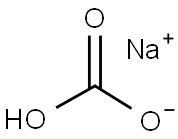
- 144-55-8
- CHNaO3
- 84.01
- All (83)
- China (59)
- (83)
![SODIUM BICARBONATE, [14C]](https://chemcloud-1304660855.cos.ap-shanghai.myqcloud.com/compound/4ca1cb1df0ef47f58653c7f46f805e3b.png?imageMogr2/format/webp)
- 7279-86-9
- CHNaO3
- 86.02000
- All (0)
- China (0)
- (0)
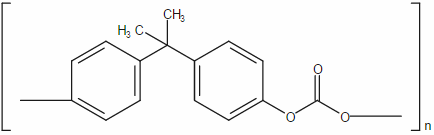
- 24936-68-3
- [-C6H4C(CH3)2C6H4OCO2-]n
- 0.00000
- All (3)
- China (0)
- (3)

- 3812-32-6
- CO3--
- 60.00890
- All (3)
- China (0)
- (3)
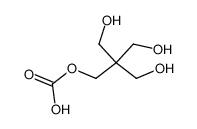
- 202523-98-6
- C6H12O6
- 180.15600
- All (0)
- China (0)
- (0)
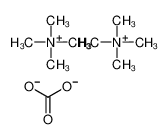
- 40105-52-0
- C9H24N2O3
- 208.29800
- All (0)
- China (0)
- (0)
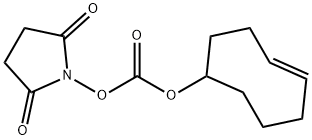
- 1191901-33-3
- C13H17NO5
- 267.28
- All (0)
- China (0)
- (0)
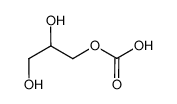
- 1026301-69-8
- C4H8O5
- 136.10300
- All (0)
- China (0)
- (0)
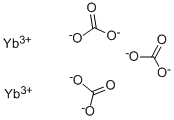
- 5895-52-3
- C3O9Yb2
- 526.11
- All (0)
- China (0)
- (0)
Related Products More >

- CNY Request For Quotation
- CNY Request For Quotation
- CNY Request For Quotation
- Request For Quotation
- 9003-05-8
- USD 30.0000
- 25kg
- 9003-05-8
- USD 30.0000
- 25kg
- 616-38-6
- CNY 3500.0000
- 1ton
- 105-58-8
- CNY 2000.0000
- 1ton


A practical approach starts with measuring the pool’s current alkalinity using a test kit. Based on the volume of the pool and the desired increase, you calculate the amount of sodium bicarbonate needed. Typically, the powder is added gradually around the perimeter of the pool while the pump circulates, allowing it to dissolve and distribute evenly. In some cases, mixing the bicarbonate with water first can help prevent clumping and speed dissolution. After addition, the water is retested to ensure the target alkalinity is reached, making adjustments as needed.
For example, if a 20,000-gallon pool shows an alkalinity of 60 ppm and the goal is around 100 ppm, several pounds of sodium bicarbonate are sprinkled while the circulation system runs. Over a few hours, it fully integrates, providing a more stable environment. This practice not only keeps swimmers comfortable but also reduces pH swings that can harm pool surfaces or chemical efficiency. Properly managing sodium bicarbonate is thus a straightforward yet essential step in pool maintenance that connects chemical principles with everyday care.
To begin, test the pool’s current TA and pH using a reliable kit. For every 10,000 gallons of water, approximately 1.5 pounds of sodium bicarbonate raises TA by 10 ppm. Unlike sodium carbonate (Na₂CO₃), which aggressively increases both pH and TA, sodium bicarbonate’s milder reactivity allows for controlled adjustments. A common misconception is assuming it can replace pH reducers or increasers; sodium bicarbonate primarily targets TA, not pH, though stabilizing TA indirectly supports pH maintenance.
Distribute the powder evenly across the pool surface, avoiding concentrated piles that may sink and cause localized cloudiness. Allow the pump to circulate water for at least 4–6 hours, then retest TA and pH. Repeat additions incrementally if needed, as overuse can elevate TA beyond 150 ppm, reducing chlorine’s ability to sanitize effectively. This methodical approach ensures balanced water chemistry, protecting pool infrastructure and enhancing swimmer comfort through stable, non-irritating conditions.
The practical process begins with measuring the required sodium bicarbonate: a general guideline is 1.5 pounds (0.68 kg) per 10,000 gallons to raise TA by 10 ppm, but this scales with pool volume and target TA (typically 80–120 ppm). The powder should never be poured directly into the pool; instead, it is dissolved in a large bucket (5–10 gallons) of warm pool water—warm water accelerates dissolution, reducing clumping—stirred thoroughly until no visible particles remain. Once dissolved, the solution is poured slowly and evenly around the pool’s perimeter, focusing on areas with strong water circulation (e.g., near return jets) to facilitate mixing. The pool’s pump and filter should run continuously for 4–6 hours after application to ensure the bicarbonate ions disperse fully; this prevents localized high alkalinity, which can cause temporary cloudiness or calcium precipitation. After circulation, retest TA and pH—since sodium bicarbonate has a mild pH-raising effect (though less than sodium carbonate), pH may need a slight adjustment with muriatic acid if it exceeds the ideal 7.2–7.8 range, but this step is often unnecessary if the initial dose was precise.
The proper addition of sodium bicarbonate extends beyond technical steps to impact pool health, user safety, and long-term maintenance efficiency. By ensuring even dissolution and distribution, pool owners avoid surface damage: undissolved powder settling on concrete or plaster can create high-alkalinity spots that etch the surface over time, leading to costly repairs. For swimmers, uniform TA and pH levels (maintained via correct dosing) prevent skin and eye irritation—acidic water (from low TA) strips natural oils, while alkaline water (from uneven dosing) dries eyes—creating a more comfortable environment. Equipment longevity is also enhanced: balanced TA prevents pH crashes that corrode metal components (pumps, ladders) and scaling that clogs filters, reducing maintenance costs and extending equipment lifespan. Environmentally, precise dosing minimizes excess sodium bicarbonate, which could otherwise increase water hardness when drained, avoiding harm to local aquatic ecosystems. Even for commercial pools, following these steps ensures compliance with health regulations that mandate stable TA and pH to maintain chlorine efficacy, preventing bacterial growth. This process exemplifies how applying basic chemical principles—like dissolution kinetics and solution mixing—transforms routine pool care into a practice that prioritizes safety, sustainability, and long-term system health.