


 Home
Home
Hi, I’m curious about maintaining a swimming pool properly. I’ve heard that adding sodium bicarbonate can help with water balance, but I’m not exactly sure how to do it. How much should be added at once, and what’s the best way to introduce it to the pool without causing cloudy water or affecting swimmers? Should it be sprinkled all over, or dissolved first in a bucket? How do I make sure the pH and alkalinity stay in a safe range after adding it?
How to Add Sodium Bicarbonate to Pool for Balanced Water Chemistry
Related Encyclopedia

- 398507-55-6
- C47H62N12O11S2
- 1035.2
- All (0)
- China (0)
- (0)
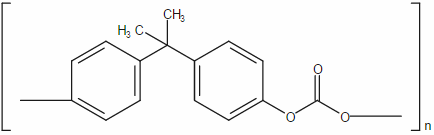
- 24936-68-3
- [-C6H4C(CH3)2C6H4OCO2-]n
- 0.00000
- All (3)
- China (0)
- (3)

- 3812-32-6
- CO3--
- 60.00890
- All (3)
- China (0)
- (3)
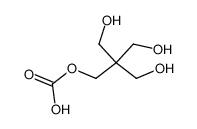
- 202523-98-6
- C6H12O6
- 180.15600
- All (0)
- China (0)
- (0)
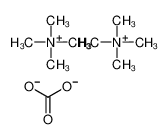
- 40105-52-0
- C9H24N2O3
- 208.29800
- All (0)
- China (0)
- (0)
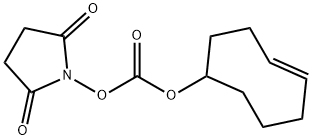
- 1191901-33-3
- C13H17NO5
- 267.28
- All (0)
- China (0)
- (0)
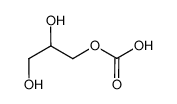
- 1026301-69-8
- C4H8O5
- 136.10300
- All (0)
- China (0)
- (0)
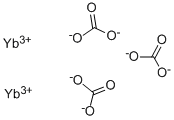
- 5895-52-3
- C3O9Yb2
- 526.11
- All (0)
- China (0)
- (0)
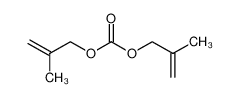
- 64057-79-0
- C9H14O3
- 170.21000
- All (0)
- China (0)
- (0)
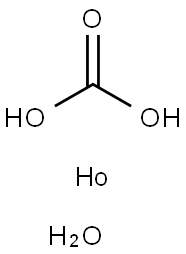
- 38245-34-0
- CH4HoO4
- 244.97
- All (0)
- China (0)
- (0)
Related Products More >

- CNY Request For Quotation
- CNY Request For Quotation
- CNY Request For Quotation
- Request For Quotation
- 616-38-6
- CNY 3500.0000
- 1ton
- 105-58-8
- CNY 2000.0000
- 1ton
- 554-13-2
- CNY 60.0000
- 25kg
- 25037-45-0
- CNY 10.0000
- 25kg


Practically, you don’t need to dissolve it first—just sprinkle the recommended amount evenly across the surface while the pool pump is running to ensure proper circulation. The exact dosage depends on the current alkalinity and pool size, but as a general guideline, adding roughly 1.5 pounds per 10,000 gallons can raise alkalinity by about 10 parts per million. After application, the water should be allowed to circulate for several hours before testing levels again, so the bicarbonate fully integrates with the water. This gradual adjustment avoids cloudiness and ensures swimmers remain safe.
In real-life pool maintenance, this method is commonly used before heavy use periods or seasonal openings. For example, residential pools often require a top-up of sodium bicarbonate after long winters or extended rainfall to keep the water balanced. Consistently monitoring and adjusting using these principles prevents corrosion of metal components, maintains chlorine effectiveness, and improves overall water quality. By following these steps, you ensure that adding sodium bicarbonate supports both chemical stability and a better swimming experience.
To begin, test the pool’s TA and pH using a reliable kit. For every 10,000 gallons of water, approximately 1.5 pounds of sodium bicarbonate raises TA by 10 ppm. Calculate the required dose based on the TA deficit, ensuring the final level stays within 80–120 ppm. Distribute the powder evenly across the pool surface, avoiding concentrated piles that may sink and cause localized cloudiness. Activate the pump to circulate water for 4–6 hours, allowing the bicarbonate ions to disperse and react with acidic components.
A common misconception is that sodium bicarbonate can replace pH increasers like soda ash. While it indirectly supports pH stability by boosting TA, its effect on pH is minimal compared to stronger bases. Overuse may elevate TA beyond 150 ppm, reducing chlorine efficacy and causing cloudy water. Always retest TA and pH after application, adjusting incrementally if needed. This method ensures optimal water chemistry, protecting pool infrastructure and enhancing swimmer comfort through balanced, non-irritating conditions.
The practical process begins with measuring the required amount: a standard guideline is 1.5 pounds (0.68 kg) of sodium bicarbonate per 10,000 gallons to raise TA by 10 ppm, but this scales with volume and target TA. For example, a 15,000-gallon pool needing a 20 ppm TA increase would require 4.5 pounds (2.04 kg). The powder must first be dissolved in a large bucket (5–10 gallons) of warm pool water—warmth accelerates dissolution, reducing clumping—and stirred vigorously until no visible grains remain. Once fully dissolved, the solution is poured slowly and evenly around the pool’s perimeter, focusing on areas with strong water circulation (e.g., near return jets) to ensure the bicarbonate ions mix uniformly. The pool’s pump and filter should run continuously for 4–6 hours after application; this circulation prevents “hot spots” of high alkalinity, which can cause temporary cloudiness or calcium precipitation as bicarbonate interacts with hard water minerals. After circulation, retest TA and pH—sodium bicarbonate may raise pH slightly (0.1–0.2 units per 10 ppm TA increase), so if pH exceeds the ideal 7.2–7.8 range, a small amount of muriatic acid can be added to adjust it, though this is often unnecessary with precise initial dosing.
The proper addition of sodium bicarbonate extends beyond technical steps to impact pool health, user safety, and long-term sustainability. For swimmers, uniform TA and pH levels prevent skin and eye irritation: acidic water (from low TA) strips the skin’s natural lipid barrier, while alkaline “hot spots” irritate mucous membranes, leading to discomfort. By ensuring even distribution, pool owners avoid these issues, creating a more accessible environment for children or those with sensitive skin. For equipment, balanced TA prevents corrosion of metal components (pumps, ladders) caused by low pH and scaling on heaters or filters from high pH, reducing maintenance costs and extending equipment lifespan. Environmentally, precise dosing minimizes excess sodium bicarbonate, which could increase water hardness when drained and harm local aquatic ecosystems. In commercial pools, where high usage disrupts chemistry faster, following these steps ensures compliance with health regulations that mandate stable TA to maintain chlorine efficacy, preventing bacterial growth. Even for casual owners, this process turns routine maintenance into a practice rooted in chemical principles, ensuring the pool remains safe, efficient, and enjoyable while aligning with sustainable water care practices.