


 Home
Home
I’m a health-conscious eater trying to understand probiotic-rich foods, and I keep hearing about lactic acid fermentation. I know yogurt and kimchi are examples, but what other foods rely on this process? How exactly do lactic acid bacteria work to ferment foods—do they all produce the same type of lactic acid, or does it vary by food? Are there differences between traditional fermented foods like sauerkraut and modern products like plant-based probiotic drinks? I’ve also heard that lactic acid fermentation can enhance nutrition—does that mean foods like fermented vegetables have more vitamins than raw ones? And for vegans, are there non-dairy options besides pickles that use this method? Can someone explain the common foods made through this process, the role of lactic acid in their creation, and how it impacts their taste and health benefits? I want to expand my diet with fermented foods but need clarity on what to look for and why they’re good for me.
What Foods Are Created Using Lactic Acid Fermentation?
Related Encyclopedia
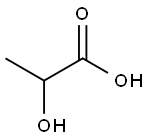
- 50-21-5
- C3H6O3
- 90.08
- All (220)
- China (25)
- (220)
- 1595292-07-1
- C3H4FeO3+
- 143.90700
- All (220)
- China (25)
- (220)
- 35552-08-0
- C10H12N2O2
- 192.21400
- All (0)
- China (0)
- (0)
- 861591-29-9
- C4H6N2O2
- 114.10300
- All (0)
- China (0)
- (0)
- 7292-85-5
- C9H10O3
- 166.17400
- All (0)
- China (0)
- (0)
- 65245-10-5
- C10H10O4
- 194.18400
- All (0)
- China (0)
- (0)
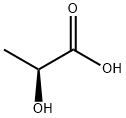
- 79-33-4
- C3H6O3
- 90.08
- All (16)
- China (0)
- (16)

- 598-82-3
- C3H6O3
- 90.08
- All (20)
- China (1)
- (20)
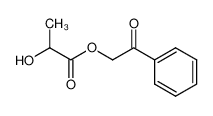
- 117356-21-5
- C11H12O4
- 208.21100
- All (0)
- China (0)
- (0)
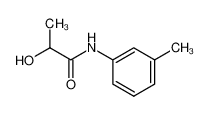
- 103030-76-8
- C10H13NO2
- 179.21600
- All (0)
- China (0)
- (0)
Related Products More >

- CNY Request For Quotation
- CNY Request For Quotation
- CNY Request For Quotation
- 50-21-5
- CNY Request For Quotation
- 50-21-5
- CNY Request For Quotation
- 26100-51-6
- Request For Quotation
- 1ton
- 26100-51-6
- Request For Quotation
- 25kg
- 26100-51-6
- Request For Quotation
- 1g


Starting with what foods use this process. You’re right about yogurt and kimchi, but the list is way longer! Here are some common ones:
- Dairy-based: Yogurt (made by fermenting milk with LAB), kefir (a tangy drink from kefir grains), and some cheeses like paneer or quark. The LAB convert lactose into lactic acid, thickening the milk and giving that sour taste.
- Vegetables: Sauerkraut (fermented cabbage), pickles (cucumbers fermented in brine), kimchi (spicy Korean cabbage), and fermented carrots or beets. Here, LAB on the veggie surfaces eat natural sugars, producing lactic acid that preserves them and adds crunch.
- Legumes and grains: Miso (fermented soybeans, often with rice or barley), tempeh (fermented soybeans pressed into a cake), and sourdough bread (the tang comes from LAB working with wild yeast).
- Plant-based drinks: Kombucha (technically uses a mix of bacteria and yeast, but LAB play a role), coconut kefir, and some vegan “yogurts” made from almond or soy milk fermented with LAB.
- Fermented meats: Salami and some sausages use LAB cultures to acidify the meat, aiding preservation (though this is less common in home kitchens).
Now, do all LAB produce the same lactic acid? Mostly, but there are two main types of lactic acid fermentation:
1. Homofermentative: Produces only lactic acid (e.g., Lactobacillus delbrueckii in yogurt).
2. Heterofermentative: Produces lactic acid plus other compounds like acetic acid (vinegar) or CO₂ (e.g., Lactobacillus brevis in some pickles, which can add fizz).
This is why some fermented foods taste more vinegary (like certain pickles) or have tiny bubbles (like kimchi that’s been fermenting a while).
Traditional vs. modern foods: Traditional ones like sauerkraut rely on spontaneous fermentation (naturally present LAB on the veggies), while modern products often use commercial cultures for consistency. For example, plant-based probiotic drinks might add specific LAB strains (like Lactobacillus plantarum) for targeted health benefits. The end result? Traditional foods can have more diverse microbial communities, while modern ones are more controlled—both are good, just different!
Does fermentation enhance nutrition? Yes! LAB break down complex carbs and proteins into simpler forms, making nutrients more absorbable. For example, fermented veggies like kimchi have higher vitamin C and B vitamins than raw ones because the bacteria produce them during fermentation. Plus, the probiotics in fermented foods support gut health by balancing your microbiome—think of them as tiny helpers cleaning up your digestive system.
For vegans, non-dairy options are everywhere! Think:
- Fermented veggies (sauerkraut, kimchi, pickles—all vegan).
- Tempeh and miso (made from soybeans, no dairy).
- Plant-based yogurts (almond, coconut) fermented with LAB.
- Kvass (a tangy drink made from fermented bread or veggies).
Just check labels to ensure no animal products are used in processing.
As for taste and health benefits: The lactic acid gives that satisfying tanginess and slightly sour edge, while the probiotics aid digestion and may boost immunity. For example, yogurt’s creaminess and tang come from lactic acid thickening the milk, while kimchi’s spice and funk come from LAB working with chili flakes and garlic.
If you’re new to fermented foods, start slow—add a spoonful of sauerkraut to sandwiches or try a small serving of yogurt daily. Your gut might need time to adjust to the probiotics. And remember: not all “fermented” foods are created equal. Some pickles are just vinegary (pasteurized and not probiotic), while truly fermented ones are unpasteurized and cloudy in the jar—those are the ones with live cultures.
In short, lactic acid fermentation is a natural way to boost flavor, preserve food, and feed your gut good bacteria. Whether you’re into tangy yogurt, spicy kimchi, or earthy miso, there’s a fermented food for every taste. Happy experimenting—and your gut will thank you!
Lactic acid fermentation happens when bacteria (like Lactobacillus or Bifidobacterium) break down sugars in food, converting them into lactic acid. This not only preserves the food but also creates tangy flavors and boosts nutrition. The type of lactic acid produced can vary—some strains make L(+)-lactic acid (easier for the body to metabolize), while others produce a mix, but all contribute to the signature sour taste.
Common fermented foods include:
• Dairy: Yogurt, kefir, and aged cheeses (like cheddar) rely on bacterial cultures.
• Vegetables: Sauerkraut (fermented cabbage), kimchi (spiced Korean veggies), and pickles (when naturally fermented, not vinegar-soaked).
• Plant-based: Miso (soybean paste), tempeh, and even some sourdough breads (thanks to lactic acid bacteria in the starter).
• Non-dairy drinks: Kombucha (though it involves yeast too) or coconut yogurt.
Nutritional perks: Fermentation can increase B vitamins (like folate) and make minerals more absorbable. For example, the lactic acid in sauerkraut helps unlock iron from cabbage. Some fermented foods also develop probiotics, which support gut health—though store-bought versions may lose these if pasteurized.
Vegan options go beyond pickles: Try fermented tofu, beet kvass (a probiotic drink), or nut-based cheeses cultured with lactic acid bacteria.
Taste tip: The longer fermentation goes, the tangier and softer the food becomes (kimchi gets funkier; yogurt turns tart). For health benefits, look for labels like "live active cultures" or "naturally fermented."
Bottom line: Lactic acid fermentation turns ordinary ingredients into gut-friendly, nutrient-rich foods. Start with small servings (too much too fast can upset your stomach) and explore global staples—from German sauerkraut to Indian lassi. Your microbiome will thank you!
Common fermented foods: Beyond yogurt and kimchi, there’s sauerkraut (cabbage + salt), kefir (fermented milk or water), kombucha (sweet tea + SCOBY), miso (soybeans + koji mold), and even sourdough bread (fermented dough). Vegans? You’ve got options like tempeh (fermented soybeans), coconut yogurt, or fermented veggies (carrots, beets, green beans). Pickles count too, but only if they’re fermented in brine—not all are (some are just vinegar-pickled).
How lactic acid bacteria (LAB) work: LAB eat sugars in food and poop out lactic acid. This acid lowers pH, killing off bad bacteria and preserving the food. But here’s the kicker: Not all LAB produce the same lactic acid. Some make L-lactic acid (easier for humans to digest), while others make D-lactic acid (can cause tummy trouble in large doses). Most fermented foods have a mix, but it’s rarely an issue unless you’re overdoing it.
Flavor impact: The lactic acid gives fermented foods their signature tang. Kombucha’s sourness? Lactic acid. Kimchi’s zip? Also lactic acid. The process also creates other compounds (like esters or aldehydes) that add complexity—think of sauerkraut’s funky, earthy notes.
Nutrition boost: Fermentation can crank up nutrient levels. Cabbage becomes sauerkraut? Vitamin C and B vitamins spike. Soybeans turn into tempeh? They gain more bioavailable iron and magnesium. LAB also break down antinutrients (like phytic acid in grains), making minerals easier to absorb. But it’s not a magic vitamin pill—raw veggies still have fiber and other perks.
Traditional vs. modern: Traditional ferments (like sauerkraut) often rely on wild LAB from the environment, while modern products (like plant-based probiotic drinks) might use specific starter cultures for consistency. Some modern stuff also adds sweeteners or flavors, which can dilute probiotic benefits. Read labels—look for “live cultures” and minimal additives.
Why it’s good for you: Fermented foods add gut-friendly bacteria, which may improve digestion, immunity, and even mood (thanks to the gut-brain axis). They’re also shelf-stable and packed with flavor.
Pro tip: Start small. A spoonful of sauerkraut or a sip of kombucha daily can ease you in. And remember: Fermentation isn’t just a trend—it’s ancient wisdom. Your gut (and taste buds) will thank you.