


 Home
Home
What role does lactic acid play in muscle fatigue during exercise?How does the body metabolize lactic acid?Are there health risks associated with excessive lactic acid buildup?
Does Lactic Acid Buildup During Exercise Directly Cause Muscle Fatigue?
Related Encyclopedia
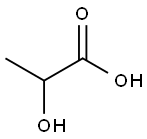
- 50-21-5
- C3H6O3
- 90.08
- All (220)
- China (25)
- (220)
- 1595292-07-1
- C3H4FeO3+
- 143.90700
- All (220)
- China (25)
- (220)
- 35552-08-0
- C10H12N2O2
- 192.21400
- All (0)
- China (0)
- (0)
- 861591-29-9
- C4H6N2O2
- 114.10300
- All (0)
- China (0)
- (0)
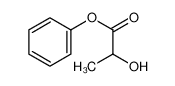
- 7292-85-5
- C9H10O3
- 166.17400
- All (0)
- China (0)
- (0)
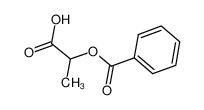
- 65245-10-5
- C10H10O4
- 194.18400
- All (0)
- China (0)
- (0)
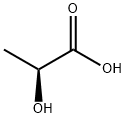
- 79-33-4
- C3H6O3
- 90.08
- All (16)
- China (0)
- (16)

- 598-82-3
- C3H6O3
- 90.08
- All (20)
- China (1)
- (20)
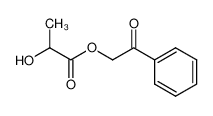
- 117356-21-5
- C11H12O4
- 208.21100
- All (0)
- China (0)
- (0)
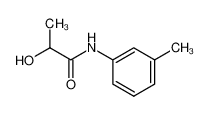
- 103030-76-8
- C10H13NO2
- 179.21600
- All (0)
- China (0)
- (0)
Related Products More >

- CNY Request For Quotation
- CNY Request For Quotation
- CNY Request For Quotation
- 50-21-5
- CNY Request For Quotation
- 50-21-5
- CNY Request For Quotation
- 26100-51-6
- Request For Quotation
- 1ton
- 26100-51-6
- Request For Quotation
- 25kg
- 26100-51-6
- Request For Quotation
- 1g


The body employs various mechanisms to metabolize lactic acid. The Cori cycle is a key pathway where lactic acid is transported from muscles to the liver, where it is converted back into glucose through gluconeogenesis. This glucose can then be released back into the bloodstream for use by muscles or stored as glycogen. Moreover, lactic acid can be used directly by the heart and brain as an energy source, highlighting its dual role as both a metabolic waste product and a valuable fuel.
Despite its essential functions, excessive lactic acid buildup can present health risks. Acute symptoms include severe muscle pain, cramps, and reduced athletic performance. Prolonged exposure to high levels of lactic acid may lead to chronic conditions such as muscle damage and impaired recovery. Overtraining syndrome, characterized by persistent fatigue, decreased performance, and hormonal imbalances, can also result from inadequate management of lactic acid levels.
To mitigate these risks, athletes and individuals engaging in intense physical activities should adopt strategies that enhance lactic acid clearance and recovery. Proper hydration helps dilute and flush out lactic acid. Balanced nutrition, especially carbohydrates, ensures sufficient energy stores and aids in replenishing glycogen. Adequate rest and recovery periods allow the body to repair muscle tissue and restore normal pH levels. Incorporating low-intensity exercises post-high-intensity workouts can also facilitate lactic acid removal by promoting blood flow and metabolic processes.
The body has several pathways to metabolize lactic acid. In the Cori cycle, the liver converts lactic acid back into glucose, which can be reused by muscles. Additionally, lactic acid can be utilized directly by the heart and brain for energy. This efficient recycling minimizes waste and supports prolonged physical activity.
Excessive lactic acid buildup can pose health risks, including severe muscle pain, cramps, and potential long-term damage if not managed. Chronic overtraining may exacerbate these issues. Strategies like proper hydration, balanced nutrition, and adequate rest are crucial for mitigating lactic acid's negative impacts and enhancing recovery.