


 Home
Home
Hi, I'd like to ask—what does "lead charge" mean in lead-acid batteries? How does metallic lead react with sulfuric acid as an electrolyte during charging and discharging? Are there lead oxide compounds formed during this process? What environmental impacts are associated with lead and electrolyte handling in batteries? Thanks!
What Is a Lead Charge in Battery Systems and How Does It Involve Lead and Electrolytes?
Related Encyclopedia

- 1314-41-6
- O4Pb3
- 685.6
- All (0)
- China (0)
- (0)
- 12596-92-8
- Pb2
- 414.40000
- All (24)
- China (4)
- (24)
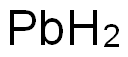
- 7439-92-1
- Pb
- 207.2
- All (24)
- China (4)
- (24)
- 73876-86-5
- O4ST2
- 102.09500
- All (24)
- China (20)
- (24)
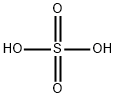
- 7664-93-9
- H2O4S
- 98.08
- All (24)
- China (20)
- (24)
- 13770-01-9
- H2O4S
- 100.98300
- All (24)
- China (20)
- (24)
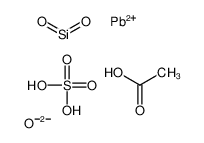
- 68937-05-3
- C2H6O9PbSSi
- 441.41400
- All (0)
- China (0)
- (0)
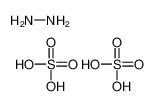
- 115865-84-4
- H8N2O8S2
- 228.20200
- All (0)
- China (0)
- (0)
- 1221269-79-9
- C11H14N2O6S
- 302.30400
- All (0)
- China (0)
- (0)
- 123032-58-6
- H4N2O6S2
- 192.17200
- All (0)
- China (0)
- (0)
Related Products More >

- 7664-93-9
- CNY 360.0000
- 1ton
- 10101-63-0
- Request For Quotation
- 25kg
- 10101-63-0
- Request For Quotation
- 1ton
- 8014-95-7
- Request For Quotation
- 1ton
- 8014-95-7
- Request For Quotation
- 1kg
- 8014-95-7
- Request For Quotation
- 25kg
- 1319-46-6
- Request For Quotation
- 1ton
- 1319-46-6
- Request For Quotation
- 25kg


When discharging, the negative electrode’s lead combines with sulfate ions to make lead sulfate, losing two electrons. The positive electrode’s lead dioxide reacts with sulfate and hydrogen ions, also forming lead sulfate. Charging drives these reactions in reverse: electrons restore lead at the negative electrode, while lead sulfate at the positive electrode oxidizes back to lead dioxide. This cycle relies on lead oxide compounds like PbO₂, which act as the oxidized state during charging and reduce to lead sulfate during use.
Environmentally, lead is highly toxic, accumulating in soil and water to harm humans and wildlife, causing neurological and organ damage. Sulfuric acid is corrosive; spills can degrade soil and contaminate waterways, affecting ecosystems. Though lead-acid batteries are recyclable, improper disposal—such as landfilling or unregulated recycling—releases lead into the environment. Electrolyte leaks during transport or storage also pose corrosion risks, underscoring the need for strict handling and recycling protocols to mitigate harm.
During charging, an external power source reverses these reactions. At the anode, lead sulfate is converted back into metallic lead by accepting electrons, thus restoring the lead charge. At the same time, lead sulfate at the cathode is transformed back into lead dioxide. This regeneration of active materials allows the battery to store energy for subsequent discharge cycles. The presence of lead oxide compounds is essential because lead dioxide serves as the active material at the positive electrode throughout both charging and discharging processes. Without the formation and conversion of lead dioxide, the battery would not function effectively.
Temperature significantly influences the solubility and reaction rates within lead-acid batteries. Higher temperatures generally increase the chemical activity, which can accelerate the rate of lead sulfate formation and dissolution. However, excessive heat may also lead to water loss through evaporation and potential degradation of battery components. Conversely, lower temperatures slow down the chemical reactions, reducing the battery's capacity and efficiency. For example, in cold environments, a lead-acid battery may struggle to deliver sufficient power due to the sluggish reaction kinetics, while in hot conditions, the increased reaction rates might lead to faster wear and tear.
Environmental concerns arise primarily from the toxicity of lead and the corrosive nature of sulfuric acid. Improper disposal of lead-acid batteries can result in soil and water contamination, posing serious health risks to humans and wildlife. Lead exposure can cause neurological damage, especially in children, while sulfuric acid spills can severely harm ecosystems. To mitigate these risks, strict regulations govern battery recycling and disposal. Recycling processes recover lead, plastic, and sulfuric acid components, reducing environmental contamination and conserving resources. Proper handling, storage, and disposal procedures are essential to minimize the ecological footprint of lead-acid batteries and ensure their safe use in various applications.
During the discharging process of a lead-acid battery, the battery converts chemical energy into electrical energy to power various devices. On the negative plate, metallic lead undergoes a chemical reaction with sulfuric acid. In this reaction, lead atoms lose electrons and are oxidized. The released electrons flow through the external circuit, creating an electric current that can be used to power devices such as car starters, backup power systems, or electronic equipment. As lead is oxidized, it forms lead ions (Pb²⁺), which then combine with sulfate ions (SO₄²⁻) present in the sulfuric acid electrolyte to form lead sulfate (PbSO₄).
Simultaneously, on the positive plate, lead dioxide reacts with sulfuric acid and accepts the electrons that have flowed through the external circuit from the negative plate. In this process, the lead in lead dioxide, which has a +4 oxidation state, is reduced to a +2 oxidation state. Similar to the negative plate reaction, the lead ions formed combine with sulfate ions to form lead sulfate, and water is also produced as a byproduct. The overall chemical reaction during discharge can be summarized as: Lead (negative plate) + lead dioxide (positive plate) + sulfuric acid → lead sulfate + water. As this reaction proceeds, the concentration of sulfuric acid in the electrolyte decreases, which can be measured by a reduction in the electrolyte's density.
The sulfuric acid electrolyte used in lead-acid batteries is highly corrosive. Spills of sulfuric acid can cause severe damage to ecosystems. It can kill plants and disrupt the balance of soil microorganisms. If sulfuric acid enters water sources, it can lower the pH of the water, making it too acidic for many aquatic organisms to survive. However, despite these risks, lead-acid batteries have a relatively high recycling rate in many parts of the world, often exceeding 99% in some regions. This is mainly because lead is a valuable material that can be reused. During the recycling process, the lead plates from used batteries are melted down to remove impurities, and the electrolyte is treated to either recover the sulfuric acid or convert it into non-toxic salts. Nevertheless, even with recycling, strict regulations and careful handling are required to prevent lead emissions and ensure the safe management of the electrolyte. For example, during the smelting process of lead, if proper ventilation systems are not in place, lead fumes can be released into the air, endangering the health of workers in recycling facilities and people living in nearby communities. Additionally, the mining and refining of lead for battery production also have their own environmental costs, including habitat destruction and the risk of lead exposure for miners and workers involved in the refining process. The production and transportation of sulfuric acid also pose risks, as spills during transit can contaminate waterways, and the energy - intensive process of manufacturing sulfuric acid contributes to carbon emissions. To address these environmental concerns, many countries have implemented strict regulations regarding the disposal and recycling of lead-acid batteries. These regulations often require consumers to return used batteries to certified recycling centers, where they are processed in a controlled and environmentally friendly manner. Steps such as neutralizing spilled acid and effectively containing lead dust are essential in these recycling facilities to minimize the environmental impact.