


 Home
Home
Hi, I'd like to ask—What is the best olive oil suitable for direct drinking? Should a good drinking olive oil have high levels of oleocanthal and other antioxidants? How does the content of phenolic compounds affect the taste of drinking olive oil? Thanks!
What is the best olive oil to drink and what phenolic compounds should it contain?
Related Encyclopedia
- 8001-25-0
- N/A
- 0
- All (19)
- China (6)
- (19)
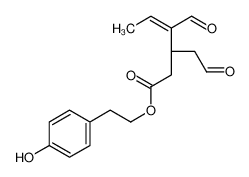
- 289030-99-5
- C17H20O5
- 304.33800
- All (1)
- China (0)
- (1)
- 1273095-06-9
- C19H20D6N2O6
- 384.45700
- All (1)
- China (0)
- (1)
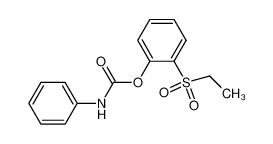
- 101090-72-6
- C15H15NO4S
- 305.34900
- All (0)
- China (0)
- (0)
- 93950-36-8
- C18H21NO2
- 283.36500
- All (0)
- China (0)
- (0)
- 93817-24-4
- C17H17NO2
- 267.32200
- All (0)
- China (0)
- (0)
- 94997-09-8
- C18H21NO2
- 283.36500
- All (0)
- China (0)
- (0)
- 95137-50-1
- C22H21NO2
- 331.40800
- All (0)
- China (0)
- (0)
- 113181-58-1
- C22H29NO2
- 339.47100
- All (0)
- China (0)
- (0)
Related Products More >

- 991-84-4
- Request For Quotation
- 991-84-4
- Request For Quotation
- 989-51-5
- Request For Quotation
- 96-69-5
- Request For Quotation
- 947-19-3
- Request For Quotation
- 90498-90-1
- Request For Quotation
- 90028-20-9
- Request For Quotation
- 85095-61-0
- Request For Quotation


A good drinking olive oil should have high levels of oleocanthal and other antioxidants. Oleocanthal, in particular, is linked to a gentle, peppery tingle in the throat, a hallmark of freshness and quality. It also contributes to the oil’s potential health benefits. Other antioxidants, like polyphenols, help keep the oil stable, preventing it from turning rancid and maintaining its vibrant character over time.
The content of phenolic compounds significantly shapes the taste of drinking olive oil. Higher levels create a more layered profile: hints of green apple, artichoke, or almond, balanced with a subtle bitterness and that signature peppery kick. Lower phenolic content results in a milder, softer flavor, with less intensity—more buttery or mild fruit notes. This variation lets different palates find a match, whether someone prefers a bold, lively oil or a smoother, more understated one.
Oleocanthal and related antioxidants are key here. That slight tingle at the back of the throat when you sip? That’s oleocanthal at work, a marker of freshness. Higher levels of these compounds add layers to the experience, making each sip feel more dynamic.
Phenolic compounds directly shape the taste. More phenols often bring brighter, grassier notes, a hint of bitterness that’s not unpleasant, and a richness that lingers. Oils with fewer phenols can taste flat, lacking that complexity. I’ve tried a few where the phenols were balanced—enough to create depth without overpowering, making the act of drinking it feel more like savoring something crafted rather than just consuming oil. It’s interesting how these tiny molecules can make such a big difference in how it tastes.
When substituting coconut oil for linoleic acid-dominant oils in frying, the lower smoke point of refined coconut oil (350°F/177°C) requires careful temperature control. Industrial frying operations typically maintain temperatures between 325-350°F to balance oil stability and food quality. The saturated fatty acid structure of coconut oil produces fewer volatile oxidation products than polyunsaturated vegetable oils, but the distinct coconut flavor profile may not be universally desirable.
Recipe modifications often prove necessary when making this substitution. The higher density of coconut oil (0.92 g/mL) compared to most vegetable oils (0.91-0.93 g/mL) necessitates slight volume adjustments. Professional bakers frequently reduce oil quantities by 5-10% to account for this difference. Temperature parameters may require reduction by 25°F to prevent excessive browning, particularly in delicate preparations.
The impact on baked goods' moisture retention presents another critical consideration. Coconut oil's solid state at room temperature creates a different crumb structure than liquid vegetable oils. This can lead to firmer textures in finished products. To mitigate this effect, commercial bakeries often incorporate emulsifiers like lecithin or increase liquid content by 1-2% in formulations. The saturated fat matrix also affects moisture migration during storage, potentially extending shelf life compared to polyunsaturated alternatives.
From an international trade perspective, these chemical differences create distinct market segments for coconut oil versus vegetable oils. Food manufacturers must carefully consider formulation adjustments when sourcing ingredients across different regions, particularly regarding labeling requirements and nutritional claims related to saturated fat content.
A truly exceptional drinking olive oil should demonstrate high concentrations of oleocanthal and other phenolic compounds. Oleocanthal, the natural phenolic responsible for the characteristic peppery sensation at the back of the throat, is particularly valued for its anti-inflammatory properties. Research suggests this compound may provide similar pain-relieving effects to ibuprofen when consumed regularly. Other important antioxidants in high-quality olive oil include hydroxytyrosol and tyrosol, which contribute to the oil's stability and health benefits. These compounds work synergistically to provide cardiovascular protection, cellular repair, and other physiological advantages that lower-quality oils simply can't match.
The phenolic content directly shapes the sensory experience of drinking olive oil. Oils with higher polyphenol levels typically exhibit a more assertive flavor profile characterized by strong bitterness, pronounced pungency, and complex herbal notes. This intense flavor experience, while initially surprising to some palates, is precisely what distinguishes premium drinking olive oils from their milder counterparts. The peppery finish, in particular, serves as an indicator of the oil's oleocanthal content. Conversely, oils with lower phenolic levels tend to taste smoother, fruitier, and more approachable, making them better suited for casual consumption rather than therapeutic use.
When selecting a drinking olive oil, several factors warrant careful consideration. The harvest date should be clearly marked, as freshness is paramount - ideally, the oil should be consumed within 12-18 months of pressing. Look for certifications such as "extra virgin," "cold-pressed," and preferably "organic" to ensure proper production standards. Many premium producers now include phenolic content information on their labels, with medically beneficial levels typically exceeding 300mg/kg of polyphenols. The bottle should be dark glass to protect against light degradation, and storage conditions matter greatly - even high-quality oil will deteriorate if exposed to heat, light, or air for extended periods.
Ultimately, the best drinking olive oils represent a perfect balance of intensity and complexity. They should make your throat tingle slightly from the oleocanthal while delivering a rich, fruity aroma and a layered flavor profile that evolves in the mouth. These oils aren't just culinary ingredients - they're concentrated sources of plant-based nutrition that happen to taste extraordinary when consumed properly. Whether enjoyed by the spoonful, drizzled over fresh bread, or paired with specific foods to complement their flavor notes, high-quality drinking olive oils offer a unique sensory experience that transcends ordinary cooking fats.