


 Home
Home
Hi, I'd like to ask—Should I take collagen on an empty stomach or with meals? What's the ideal daily dosage for collagen powder? Can I mix collagen with hot drinks like coffee or tea? Is there a difference in usage between hydrolyzed and unhydrolyzed collagen? How long should I continue using collagen to see effects? Thanks!
How should I properly use collagen supplements in daily life, including dosage and timing?
Related Encyclopedia
- 9007-34-5
- 0
- All (14)
- China (1)
- (14)
- 9064-67-9
- C4H6N2O3R2.(C7H9N2O2R)n
- 0
- All (14)
- China (1)
- (14)

- 69430-36-0
- C2H2BrClO2
- 173.39308
- All (0)
- China (0)
- (0)
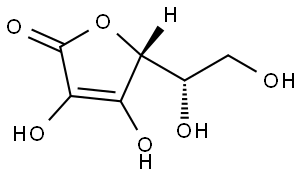
- 50-81-7
- C6H8O6
- 176.12
- All (105)
- China (2)
- (105)
- 92113-31-0
- CO(NH2)2,Fe+++
- 0
- All (3)
- China (0)
- (3)
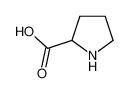
- 29795-82-2
- C5H9NO2
- 115.13000
- All (19)
- China (0)
- (19)
- 10504-35-5
- C6H8O6
- 176.12400
- All (0)
- China (0)
- (0)
- 1141863-91-3
- C6H7O6
- 175.11600
- All (0)
- China (0)
- (0)
- 22430-27-9
- C6H8O9S
- 256.18700
- All (0)
- China (0)
- (0)
- 114374-92-4
- C12H14N2O7
- 298.24900
- All (0)
- China (0)
- (0)
Related Products More >

- 147-85-5
- CNY Request For Quotation
- 147-85-4
- CNY Request For Quotation
- 147-85-3
- CNY Request For Quotation
- CNY Request For Quotation
- CNY Request For Quotation
- CNY Request For Quotation
- CNY Request For Quotation
- CNY Request For Quotation


The ideal daily dosage for collagen powder is usually 2.5 to 15 grams. For general support of skin, hair, and joints, 2.5 to 10 grams is typical. Those needing more, like active people or older adults focusing on joint health, might use 10 to 15 grams. Your weight, health goals, and the product’s strength matter, so start low and adjust as needed.
You can mix collagen with hot drinks like coffee or tea, but avoid very high heat. Most powders, especially hydrolyzed ones, stay stable up to 120 to 140 degrees Fahrenheit. Boiling liquids can break down amino acids, so add collagen after the drink has cooled a bit rather than pouring it into boiling water.
Hydrolyzed and unhydrolyzed collagen differ in use because of digestibility. Hydrolyzed, or collagen peptides, has smaller amino acid chains, dissolves easily in hot or cold liquids, and absorbs quickly. It mixes well into drinks or soups. Unhydrolyzed, often gelatin, dissolves best in hot liquids and gels when cool, good for jellies or sauces but less handy for quick drinks. It also takes longer for the body to break down, so absorption is slower.
The ideal daily dosage of collagen powder depends on your specific health goals. For general skin, hair, and nail support, most experts recommend 5 to 10 grams per day. If you're targeting joint health or muscle recovery, some studies suggest doses up to 15 grams daily may be beneficial. It's important to start with a lower dose and gradually increase it while monitoring how your body responds. Always check the product label for specific serving size recommendations, as different brands may vary in concentration.
Many people wonder if they can mix collagen with hot beverages like coffee or tea. The answer is yes—collagen peptides are heat-stable and won't lose their effectiveness when mixed with hot drinks. In fact, adding collagen to your morning coffee or tea is a convenient way to incorporate it into your daily routine. Just make sure to stir well to ensure proper dissolution, as collagen powder can sometimes clump when mixed with hot liquids.
There is a notable difference between hydrolyzed and unhydrolyzed collagen. Hydrolyzed collagen, also known as collagen peptides, has been broken down into smaller amino acid chains, making it much easier for the body to absorb and utilize. This form is what you'll typically find in supplements. Unhydrolyzed collagen, on the other hand, consists of larger protein molecules that are more difficult for the body to digest and absorb efficiently. For supplementation purposes, hydrolyzed collagen is the preferred and more effective option.
As for how long it takes to see results, consistency is key. Most people begin noticing improvements in skin elasticity, joint comfort, or other benefits after about 4 to 8 weeks of regular use. However, individual results can vary based on factors like age, diet, and overall health. For best results, it's recommended to take collagen daily as part of a balanced lifestyle that includes proper hydration, nutrition, and exercise.
Regarding dosage, current research indicates a range of 5-15 grams daily for hydrolyzed collagen supplements, with the specific amount depending on the intended application. For general connective tissue support, 5-10 grams per day appears sufficient based on available clinical data. Higher doses (10-15 grams) may be warranted for targeted applications such as joint health or athletic recovery, though systematic studies on dose-response relationships remain limited. The variability in recommended dosages reflects differences in product formulation, peptide molecular weight distribution, and individual metabolic factors.
The compatibility of collagen supplements with hot beverages presents an interesting physicochemical question. While collagen peptides generally maintain stability at temperatures below 100°C (212°F), prolonged exposure to boiling temperatures may lead to partial denaturation of the protein structure. This could potentially reduce bioavailability, though the exact temperature threshold for significant degradation remains to be precisely determined through controlled experiments. Practical experience suggests that adding collagen to beverages after they've cooled to drinking temperature (typically 60-70°C or 140-158°F) represents a reasonable compromise between convenience and product integrity.
The distinction between hydrolyzed and unhydrolyzed collagen forms is fundamentally important. Hydrolyzed collagen, produced through enzymatic hydrolysis, exists as low-molecular-weight peptides that demonstrate significantly improved gastrointestinal absorption compared to native collagen. This processing step breaks the triple-helix structure into smaller fragments, reducing the protein's molecular weight from approximately 300 kDa to typically less than 5 kDa. The enhanced bioavailability of hydrolyzed forms explains their prevalence in dietary supplements, despite higher production costs.
The temporal aspect of collagen supplementation requires careful consideration. Clinical studies reporting measurable benefits typically involve administration periods of at least 8-12 weeks. This duration aligns with the known turnover rate of connective tissue components, where measurable changes in cartilage matrix composition or skin elasticity would reasonably require multiple cycles of cellular renewal.
Most collagen powders suggest 10 to 20 grams daily. That seems to be the sweet spot for supporting things like skin elasticity or joint comfort, though I’ve noticed some adjust based on their weight or specific goals.
Mixing with hot drinks like coffee or tea works, but don’t use boiling liquids. The heat can break down some of the protein structure, but from what I’ve read, it doesn’t make it useless. Warmth actually helps it dissolve better than cold drinks.
You usually need 4 to 12 weeks to notice effects. It’s not instant—your body builds up collagen gradually. I’ve seen people say consistency matters more than rushing, since results vary by metabolism and overall health.