


 Home
Home
Hi, I'd like to ask—Is it safe to mix niacinamide with retinol when applying skincare products? Will their combination cause skin sensitivity or redness? What is the correct order of applying niacinamide and retinol? Can their mixing enhance the effect of anti-aging and acne removal? Is this combination suitable for all skin types? Thanks!
Can niacinamide be mixed with retinol in daily skincare and what precautions are there?
Related Encyclopedia
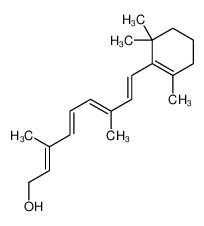
- 5979-23-7
- C20H30O
- 286.45200
- All (33)
- China (19)
- (33)
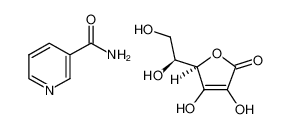
- 1987-71-9
- C12H14N2O7
- 298.25000
- All (0)
- China (0)
- (0)
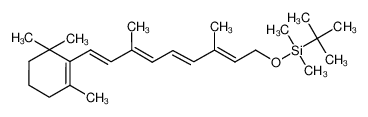
- 118353-70-1
- C26H44OSi
- 400.71200
- All (0)
- China (0)
- (0)
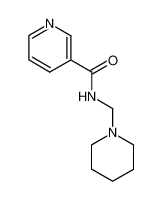
- 5259-92-7
- C12H17N3O
- 219.28300
- All (0)
- China (0)
- (0)
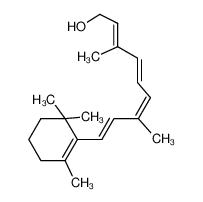
- 17706-49-9
- C20H30O
- 286.45200
- All (0)
- China (0)
- (0)
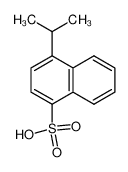
- 749150-51-4
- C13H14O3S
- 250.31300
- All (0)
- China (0)
- (0)
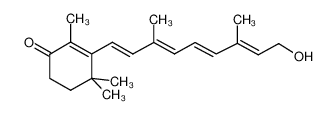
- 62702-55-0
- C20H28O2
- 300.44000
- All (0)
- China (0)
- (0)
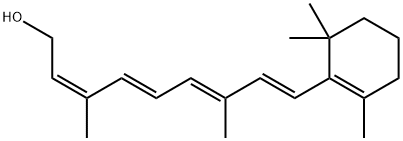
- 2052-63-3
- C20H30O
- 286.45
- All (0)
- China (0)
- (0)
- 22737-97-9
- C20H30O
- 286.45
- All (0)
- China (0)
- (0)
- 85354-10-5
- C20H30O
- 286.45200
- All (0)
- China (0)
- (0)
Related Products More >

- 98-92-0
- Request For Quotation
- 98-92-0
- Request For Quotation
- 98-92-0
- Request For Quotation
- 98-92-0
- Request For Quotation
- 98-92-0
- Request For Quotation
- 98-92-0
- Request For Quotation
- 98-92-0
- Request For Quotation
- 98-92-0
- Request For Quotation


Skin sensitivity or redness from their combination is not common but can occur, usually due to overuse or high-strength formulas, particularly if the skin is already sensitive. Retinol, a form of vitamin A, can cause mild irritation on its own, and pairing it with niacinamide—when introduced too quickly—might overwhelm some skin types. Starting with lower concentrations and gradually increasing usage helps minimize this risk.
The correct application order is to apply niacinamide first, then retinol. Niacinamide has a water-based texture that absorbs quickly, creating a lightweight layer on the skin. Retinol, often oil-based or in a thicker formulation, should go on top to ensure it penetrates effectively without being blocked by the niacinamide.
Combining niacinamide and retinol can enhance anti-aging and acne-fighting effects. Niacinamide strengthens the skin barrier, reduces redness, and regulates oil production, while retinol boosts collagen production and unclogs pores. Together, they address signs of aging like fine lines and improve acne by targeting different causes, making the routine more effective than using either alone.
This combination is not suitable for all skin types. It works well for normal, combination, and oily skin, as these types can better tolerate the ingredients. Very sensitive or dry skin may struggle, as retinol can increase dryness, and even niacinamide might cause slight irritation if the skin barrier is compromised. Those with sensitive skin should patch-test first and use mild formulations to gauge tolerance.
However, there is still a common concern about whether mixing these ingredients might cause skin sensitivity or redness. While both niacinamide and retinol can cause irritation when used improperly, studies have shown that niacinamide can actually help counteract some of retinol's negative effects on the skin. For instance, niacinamide has been found to reduce the redness and flaking that often accompany retinol use, making the combination more tolerable for sensitive skin types. That said, it's still important to introduce these products gradually into your routine, especially if you're new to retinol or have particularly reactive skin.
The correct order of application also plays a critical role in maximizing benefits and reducing irritation. Most dermatologists recommend applying niacinamide first, followed by retinol. This sequence allows niacinamide to hydrate and calm the skin, creating a more resilient foundation for retinol to penetrate effectively. After cleansing, apply niacinamide serum to damp skin, allow it to absorb fully (typically 1–2 minutes), then follow with retinol. Some experts suggest waiting 5–10 minutes between steps to ensure each product absorbs properly without dilution. Avoid layering other actives (like vitamin C or exfoliating acids) simultaneously, as this can overwhelm the skin and increase irritation.
When it comes to enhancing anti-aging and acne-fighting effects, the combination of niacinamide and retinol can be quite powerful. Niacinamide helps to minimize the appearance of pores and improve skin elasticity, while retinol works to unclog pores and promote cell renewal. Together, they can address multiple signs of aging and acne simultaneously. However, this combination may not be suitable for all skin types. People with extremely dry or sensitive skin might need to use lower concentrations or apply the products less frequently to avoid irritation. It's always a good idea to patch test new products and consult with a dermatologist if you have any concerns about how your skin might react.
Clinical studies and dermatological trials demonstrate that the combination of these ingredients is generally well-tolerated, with niacinamide's anti-inflammatory properties (particularly its ability to inhibit prostaglandin E2 synthesis) helping to mitigate retinol-induced irritation. However, individual skin sensitivity varies considerably, with approximately 5-10% of users reporting mild erythema or peeling during initial use, particularly when concentrations exceed 5% niacinamide or 0.5% retinol.
The optimal application sequence involves applying niacinamide first, followed by retinol after complete absorption. This order maximizes the benefits of both compounds: niacinamide preconditions the skin barrier, while retinol penetrates more effectively into the stratum corneum when applied to a properly prepped surface. Temperature and pH conditions are critical factors, as retinol's stability decreases significantly above pH 6, while niacinamide maintains efficacy across a wider pH range (5-7).
From a formulation chemistry standpoint, combining these actives in a single product requires careful consideration of excipients and packaging. Light- and air-sensitive retinol necessitates opaque, airtight containers, while niacinamide's stability is less compromised by environmental factors. The synergistic effects of this combination are particularly evident in addressing both acne vulgaris (through retinol's comedolytic action and niacinamide's sebum regulation) and photoaging (via retinol's collagen stimulation and niacinamide's melanin dispersion).
While suitable for most skin types, individuals with rosacea or atopic dermatitis should exercise caution, as retinol's keratolytic effects may exacerbate barrier dysfunction. Patch testing remains essential, particularly for Asian skin types which demonstrate higher baseline transepidermal water loss rates and increased susceptibility to irritation.
Applying niacinamide before retinol makes sense. Niacinamide, a B3 variant, has a molecular structure that allows quick absorption, creating a layer that can ease retinol’s potential irritation. Retinol, a vitamin A derivative, works best when applied after, as its larger molecules penetrate more effectively once lighter products have been absorbed.
Together, they can amplify benefits. Niacinamide strengthens the skin’s protective barrier, curbs excess oil, and calms inflammation, while retinol stimulates collagen and clears pores. This synergy targets aging signs and acne more effectively than either alone.
Reactions vary by skin type. Dry or sensitive skin may need gradual introduction with lower doses. Oily or combination skin often adjusts better, but testing a small area first helps avoid unexpected redness or peeling.