


 Home
Home
Hi, I'd like to ask—Is olive oil a preservative in shampoo? What role does olive oil actually play in shampoo, if not a preservative? Can its components like squalene or vitamin E help prevent shampoo from spoiling? Are there shampoos that use olive oil mainly as a preservative? Thanks!
Does olive oil act as a preservative in shampoo products to extend their shelf life?
Related Encyclopedia
- 8001-25-0
- N/A
- 0
- All (19)
- China (6)
- (19)
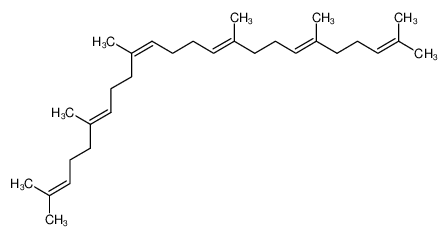
- 24566-13-0
- C30H50
- 410.71800
- All (14)
- China (12)
- (14)

- 111-02-4
- C30H50
- 410.72
- All (14)
- China (12)
- (14)

- 7683-64-9
- C30H50
- 410.72
- All (14)
- China (12)
- (14)
- 67629-40-7
- C30H49ClO3
- 493.16100
- All (38)
- China (12)
- (38)

- 59-02-9
- C29H50O2
- 430.71
- All (38)
- China (12)
- (38)

- 79434-83-6
- C29H50O2
- 430.70600
- All (38)
- China (12)
- (38)

- 2074-53-5
- C29H50O2
- 430.71
- All (38)
- China (12)
- (38)
- 142386-74-1
- C38H67N2O3P
- 630.92400
- All (38)
- China (12)
- (38)
- 121678-32-8
- C30H51Cl
- 447.17900
- All (0)
- China (0)
- (0)
Related Products More >

- CNY Request For Quotation
- CNY Request For Quotation
- CNY Request For Quotation
- 2074-53-5
- CNY 30.0000
- 25kg
- 30999-06-5
- Request For Quotation
- 50kg
- 30999-06-5
- Request For Quotation
- 1kg
- 9002-96-4
- Request For Quotation


In shampoo, olive oil mainly acts as a conditioning ingredient. Its moisturizing elements help hydrate hair, making it softer and less prone to dryness or frizz. It also adds a smooth feel to the product, making it easier to spread through hair and rinse out without taking away the hair’s natural oils.
Squalene and vitamin E in olive oil offer benefits but not for preventing spoilage. Squalene helps keep hair moisturized, supporting overall hair health. Vitamin E, an antioxidant, might shield hair from damage caused by the environment. But neither has the antimicrobial properties needed to halt the growth of microbes that make products spoil.
Shampoos with olive oil include it for its conditioning effects, not as a preservative. Most still use traditional preservatives like parabens, phenoxyethanol, or natural options such as grapefruit seed extract to stay safe and stable. There are no common shampoos that use olive oil as the main preservative, since it cannot do that job well.
Components like squalene and vitamin E in olive oil have antioxidant properties. They can help protect the shampoo’s other ingredients from oxidation, which breaks down molecules over time. However, this is different from preserving against spoilage. Antioxidants slow chemical degradation, while preservatives target microbial growth—the main cause of shampoo spoiling.
Shampoos do not use olive oil as a main preservative. Without dedicated preservatives, even with olive oil, shampoo would still be prone to microbial growth, leading to mold, bad odors, or irritation. Manufacturers rely on ingredients like phenoxyethanol or parabens for preservation, while olive oil is included for its conditioning benefits.
When included in shampoo recipes, olive oil serves multiple beneficial purposes beyond basic moisturization. Its high oleic acid content helps repair the hair's lipid barrier, while squalene - a natural component of olive oil - mimics the skin's sebum to enhance hydration. Vitamin E in olive oil contributes antioxidant effects that may help protect hair proteins from environmental damage, though these benefits primarily affect the hair strands rather than the product's stability. The emollient properties of olive oil create a protective film on the hair shaft, reducing frizz and improving manageability, particularly for dry or chemically treated hair.
Several commercial shampoo lines utilize olive oil as a key ingredient for its conditioning advantages. Brands like Giovanni and Avalon Organics incorporate extra virgin olive oil into their formulations to provide visible softness and shine. These products typically combine olive oil with other plant oils and synthetic preservatives to achieve both functional and preservation benefits. The concentration of olive oil in these shampoos generally ranges between 1-5%, which is insufficient to create any meaningful preservative effect while still delivering noticeable hair care benefits.
The antioxidant compounds in olive oil, particularly vitamin E and polyphenols, might theoretically contribute to slowing oxidation processes within the shampoo bottle. However, their concentration remains too low to replace dedicated preservative systems. Shelf life extension in cosmetic products requires precise formulations that account for pH levels, water activity, and packaging conditions - factors where olive oil provides no direct advantage. Manufacturers must still include proper preservatives regardless of olive oil content to meet safety standards and prevent microbial contamination.
Some natural shampoo brands market olive oil as a "natural preservative" due to its antioxidant properties, but this claim lacks scientific validation in cosmetic chemistry. Regulatory bodies like the FDA and EU Cosmetics Regulation require demonstrated efficacy through standardized testing for any ingredient labeled as a preservative. Olive oil's inclusion in these products remains primarily for its conditioning benefits rather than any proven preservation capabilities.
The minor components of olive oil, particularly squalene and tocopherols (vitamin E), do exhibit some antioxidant activity. Squalene, a triterpene hydrocarbon comprising about 4-5% of olive oil, has been shown to scavenge free radicals and protect against lipid peroxidation. Similarly, the tocopherol content (typically 50-300 mg/kg) provides radical-scavenging capabilities. However, these concentrations are insufficient to effectively preserve a water-based cosmetic product like shampoo, which provides an ideal growth medium for bacteria, yeast, and mold. Commercial shampoos require preservatives with proven broad-spectrum antimicrobial activity to meet regulatory safety standards.
Shampoos that feature olive oil prominently in their marketing typically emphasize its conditioning benefits. Products like Giovanni Olive Oil Luxury Shampoo or Avalon Organics Nourishing Lavender Shampoo incorporate olive oil derivatives primarily for their emollient qualities. These formulations still require conventional preservatives such as phenoxyethanol, sodium benzoate, or potassium sorbate to ensure product safety and shelf stability. The Cosmetic Ingredient Review (CIR) Expert Panel has thoroughly evaluated olive oil and affirmed its safety for cosmetic use, but explicitly notes its lack of antimicrobial properties.
Recent research in cosmetic preservation chemistry highlights the challenges of using plant-derived compounds as standalone preservatives. While olive oil's minor constituents demonstrate some antioxidant capacity, their effectiveness remains limited compared to synthetic preservatives specifically designed to inhibit microbial growth in water-containing formulations. This fundamental limitation explains why olive oil appears almost exclusively in the conditioning phase of shampoo formulations, typically listed under INCI names such as Olea Europaea (Olive) Fruit Oil or Squalane (the hydrogenated form of squalene), rather than in the preservative system. The cosmetic industry continues to explore natural preservation alternatives, but for now, olive oil's role remains firmly in the realm of hair conditioning rather than product protection.