


 Home
Home
Hi, I'd like to ask—What names should I look for on labels when buying olive oil high in polyphenols? Do terms like "high hydroxytyrosol content" or "rich in tyrosol" appear on such olive oil packages? Are there specific certifications that guarantee the polyphenol levels in olive oil? Thanks!
What names or terms indicate olive oil rich in polyphenols like hydroxytyrosol?
Related Encyclopedia
- 8001-25-0
- N/A
- 0
- All (19)
- China (6)
- (19)
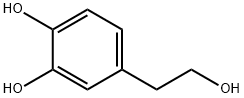
- 10597-60-1
- C8H10O3
- 154.16
- All (25)
- China (21)
- (25)
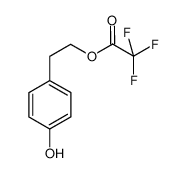
- 1056355-35-1
- C10H9F3O3
- 234.17200
- All (0)
- China (0)
- (0)
- 1428533-02-1
- C19H20O6
- 344.35900
- All (0)
- China (0)
- (0)
- 909577-48-6
- C23H38O3
- 362.54600
- All (0)
- China (0)
- (0)
- 1428533-06-5
- C20H20N2O4
- 352.38400
- All (0)
- China (0)
- (0)
- 1428533-05-4
- C17H18O5
- 302.32200
- All (0)
- China (0)
- (0)
- 857397-87-6
- C17H16O5
- 300.30600
- All (0)
- China (0)
- (0)
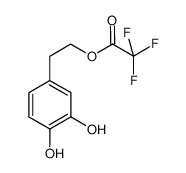
- 1056355-55-5
- C10H9F3O4
- 250.17100
- All (0)
- China (0)
- (0)
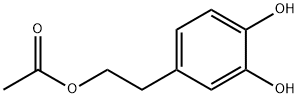
- 69039-02-7
- C10H12O4
- 196.2
- All (0)
- China (0)
- (0)
Related Products More >

- 989-51-5
- Request For Quotation
- 90028-20-9
- Request For Quotation
- 84650-60-2
- Request For Quotation
- 8060-29-5
- Request For Quotation
- 25kg/drum
- 8060-29-5
- Request For Quotation
- 25kg
- 8001-25-0
- Request For Quotation
- 8001-25-0
- Request For Quotation
- 5kg 10kg 20kg 25kg
- 8001-25-0
- Request For Quotation
- 25kg/plastic drum


Terms like "high hydroxytyrosol content" or "rich in tyrosol" do appear on certain packages, particularly from brands that emphasize the health benefits of their oils. Hydroxytyrosol and tyrosol are prominent polyphenols in olive oil, so their inclusion on a label directly signals that the oil likely has higher overall polyphenol levels.
While there are few certifications that specifically guarantee polyphenol levels, some regional or quality labels provide indirect assurance. For instance, PDO (Protected Designation of Origin) or PGI (Protected Geographical Indication) certifications often align with traditional production methods, including early harvesting. Olives picked early, when still green, tend to have higher polyphenol concentrations. Additionally, some third-party lab-tested seals may mention polyphenol concentrations, though these are not widely standardized. Checking the harvest date is also useful, as oils bottled within a year of harvest typically retain more polyphenols than older ones.
When substituting coconut oil for vegetable oil in high-temperature cooking, several factors warrant consideration. The smoke point differential means unrefined coconut oil (smoke point: 177°C/350°F) is unsuitable for deep-frying, while refined coconut oil can be used for moderate-heat frying. The medium-chain triglyceride structure of coconut oil's lauric acid contributes to faster heat transfer and potentially crisper textures in fried foods compared to polyunsaturated vegetable oils.
For baking applications, the 1:1 substitution ratio holds true volumetrically, but physical state differences require attention. Solid-at-room-temperature coconut oil may necessitate pre-melting for liquid-based recipes. The saturated fat matrix creates a denser crumb structure in baked goods, potentially altering texture compared to the lighter mouthfeel from vegetable oils. This effect is particularly noticeable in delicate pastries but may be advantageous for cookies and muffins seeking firmer consistency.
Flavor profiles present another variable. Unrefined coconut oil imparts distinct tropical notes, while refined versions offer neutrality similar to vegetable oils. This flavor impact should be considered when formulating recipes where coconut aroma is either desirable or undesirable.
From a practical standpoint, temperature adjustments may be needed when switching between these oils. The higher heat tolerance of refined coconut oil allows for slightly increased frying temperatures compared to most vegetable oils, potentially reducing cooking times. However, the Maillard reaction kinetics differ due to varying fatty acid compositions, which chefs should account for when achieving desired browning levels.
Terms such as “high hydroxytyrosol content” or “rich in tyrosol” can show up, especially on oils promoted for their antioxidants. These are key polyphenols, so seeing them suggests the oil emphasizes those nutrients.
Certain certifications can hint at higher polyphenols. Protected Designation of Origin (PDO) or Protected Geographical Indication (PGI) labels link to regions with strong olive-growing traditions and varieties that often have more polyphenols. Some independent labs test for polyphenols and share results on labels or brand sites, giving concrete numbers to check.
Within the extra virgin category, certain descriptive terms warrant special attention. "Early harvest" oils, made from olives picked at peak ripeness but before full maturity, typically contain significantly more polyphenols than late-harvest oils. The term "first cold press" is particularly important, as mechanical pressing without heat preserves the oil's fragile antioxidants. Flavor descriptors also provide clues - bottles labeled "robust," "peppery," or "bitter" usually indicate higher polyphenol content, as these taste characteristics directly result from the oil's antioxidant compounds.
Some progressive producers now include specific polyphenol measurements on their packaging, which is the most reliable way to verify content. When present, these labels might state concentrations in milligrams per kilogram (mg/kg) or reference the European Food Safety Authority's (EFSA) health claim about hydroxytyrosol. This claim, legally permitted in the EU, states that olive oil polyphenols contribute to protecting blood lipids from oxidative stress when the product contains at least 5 mg of hydroxytyrosol and its derivatives per 20 grams of olive oil.
Certifications add another layer of assurance. The European Union's Protected Designation of Origin (PDO) label verifies traditional production methods in specific regions known for high-quality, polyphenol-rich oils. The North American Olive Oil Association (NAOOA) certification ensures compliance with rigorous chemical and sensory standards in the U.S. market. Some producers obtain third-party lab testing results that verify polyphenol content, which they may display through QR codes or website links for consumer verification.
Olive variety plays a significant role - cultivars like Picual, Koroneiki, and Cornicabra are particularly prized for their naturally high polyphenol content. Geographic factors also matter, as cooler climates and higher altitudes tend to produce oils with greater antioxidant concentrations. Finally, the harvest date remains crucial, as polyphenols degrade over time - fresher oil (ideally bottled within months of harvest) will contain more beneficial compounds than older stock. While terms like "high hydroxytyrosol content" aren't yet universal, they're appearing more frequently on specialty brands targeting health-conscious consumers.