


 Home
Home
A new study reveals that oxygen steals tea's freshness. But how exactly does it happen? When tea leaves are exposed to oxygen, the catechins, vitamin C, and chlorophyll in them start to oxidize. For green tea, this might turn the once vibrant green leaves red when brewed and spoil the flavor. So, is it mainly the air we expose tea to in our daily storage that causes this? Also, does the type of tea, like black or oolong, affect how quickly oxygen acts? And can we really stop this? Some suggest airtight containers, but do they work completely? What about using oxygen absorbers; are they a practical solution for regular tea drinkers?
Tea Drinkers Beware: New Study Reveals Exactly How Oxygen Steals Your Tea's Freshness – Can We Stop It?
Related Encyclopedia
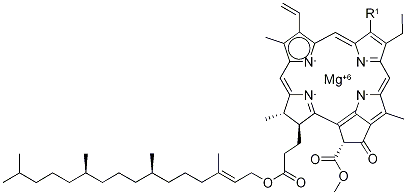
- 1406-65-1
- C54H69MgN4O5R+2
- 878.45446
- All (9)
- China (0)
- (9)

- 7782-44-7
- O2
- 32
- All (1)
- China (1)
- (1)

- 80937-33-3
- O2
- 31.99880
- All (1)
- China (1)
- (1)

- 17410-58-1
- O2
- 33.99860
- All (1)
- China (1)
- (1)
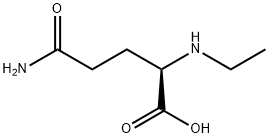
- 5822-62-8
- C7H14N2O3
- 174.2
- All (0)
- China (0)
- (0)
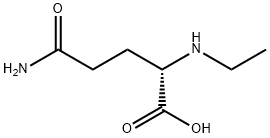
- 34271-54-0
- C7H14N2O3
- 174.2
- All (73)
- China (37)
- (73)
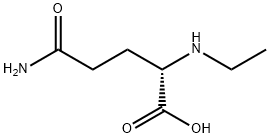
- 3081-61-6
- C7H14N2O3
- 174.2
- All (73)
- China (37)
- (73)
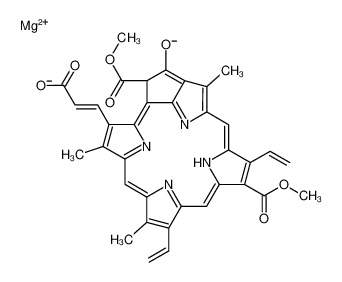
- 111308-93-1
- C36H28MgN4O7
- 652.93512
- All (0)
- China (0)
- (0)
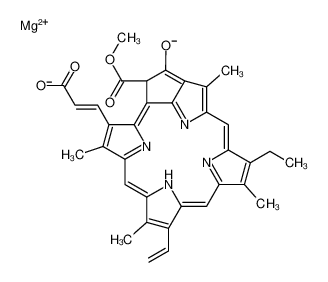
- 18901-56-9
- C35H30MgN4O5
- 610.94100
- All (0)
- China (0)
- (0)
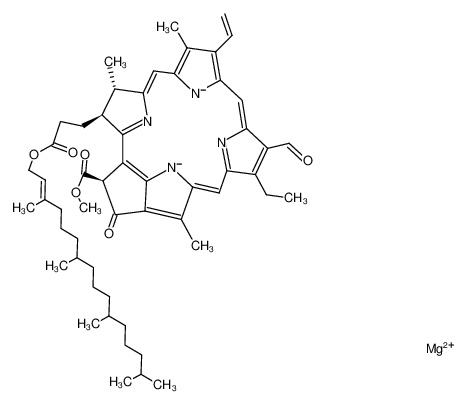
- 22309-14-4
- C55H70MgN4O6
- 907.47200
- All (0)
- China (0)
- (0)
Related Products More >

- CNY Request For Quotation
- CNY Request For Quotation
- CNY Request For Quotation
- 9059-23-8
- Request For Quotation
- 9002-10-2
- Request For Quotation
- Bottle,barrel,cargo,container,etc.
- 84650-60-2
- Request For Quotation
- 82419-35-0
- Request For Quotation
- 82419-35-0
- Request For Quotation


So, here comes the question. Is it the air that tea is exposed to during our daily storage that causes this? After all, when we store tea in our daily life, it's hard to avoid the tea "meeting" the oxygen in the air. Also, for different types of tea, such as black tea and oolong tea, will the speed at which oxygen affects them be different? Since black tea is fermented, is it more "resistant" to oxygen than green tea? What about oolong tea?
People are trying to find ways to stop oxygen from ruining tea. Some say using airtight containers, but can they really completely block out oxygen? Will there still be a tiny bit of oxygen sneaking in and causing trouble? Others mention oxygen absorbers. It sounds useful, but for us ordinary tea lovers, is it really practical? Is it convenient to use? Will there be any side effects?
In addition, the research by Professor Zhang Zhaoliang's team at Anhui Agricultural University is also super interesting! They found that the key to the loss of tea's umami lies in theanine. Theanine is like the "umami elf" in tea. It can not only bring an umami taste similar to monosodium glutamate but also balance the bitter taste of catechins and caffeine. Theanine has a high content in early spring tea, so it tastes extremely fresh and refreshing. However, as the temperature rises, the content of theanine drops sharply, just like riding a roller coaster.
The mitochondrial carrier protein CsTHS1 and theanine hydrolase CsGGT2 are the "culprits" behind this. The CsTHS1 protein is like a deliveryman, sending theanine to the mitochondria, the "energy factory" of the cell; the CsGGT2 enzyme acts like a decomposer, directly breaking down theanine. As the temperature rises, the amounts of these two "guys" increase, accelerating the decomposition of theanine.
It seems that if we want to enjoy fresh and delicious tea, we not only need to find ways to deal with oxygen but also consider the changes in theanine in tea itself. Is there a perfect solution that can both block oxygen and prevent theanine from being lost? I really hope scientists can find the answer soon so that we can enjoy great - tasting tea at any time!
What makes this discovery particularly fascinating is how environmental factors accelerate L-theanine's breakdown. While oxidation from air exposure certainly degrades tea quality by turning catechins and chlorophyll stale, the research reveals an even more insidious process at work. As temperatures rise after the Qingming Festival in early April, two specific proteins—CsTHS1 and CsGGT2—become hyperactive in tea leaves. The CsTHS1 protein functions like a molecular transporter, shuttling L-theanine into the mitochondria where the CsGGT2 enzyme waits to dismantle it. This biological one-two punch explains why teas harvested later in the season taste noticeably flatter and more astringent compared to their early spring counterparts.
The implications of this discovery extend far beyond academic curiosity. For everyday tea enthusiasts, it fundamentally changes how we should approach tea storage and selection. While conventional wisdom suggests that airtight containers and oxygen absorbers provide sufficient protection, this research demonstrates that temperature control may actually be the more critical factor for preserving L-theanine content. This explains why even carefully sealed teas can lose their vibrancy when stored at room temperature for extended periods. The study also helps clarify why certain tea varieties maintain their quality better than others—heavily oxidized black teas and roasted oolongs contain less L-theanine to begin with, making them less vulnerable to this particular degradation pathway, though they still face oxidation risks from prolonged air exposure.
Practical solutions emerge from these findings. Serious tea drinkers might consider refrigerating or even freezing their most delicate green and white teas in vacuum-sealed packages, as cold temperatures dramatically slow the activity of both CsTHS1 and CsGGT2. Timing purchases to acquire early spring harvests ensures maximum initial L-theanine content, while understanding that teas picked later in the season will inherently have different flavor profiles. Perhaps most importantly, this research underscores that preserving tea's freshness requires a multi-pronged approach—controlling both oxygen exposure and storage temperature—rather than relying on any single method.
Looking forward, these discoveries open new possibilities for tea cultivation and processing. Breeders could potentially develop tea plant varieties with naturally lower CsGGT2 enzyme activity, while processors might explore techniques to stabilize L-theanine during production. For now, though, the study serves as both an explanation for why our teas sometimes disappoint and a roadmap for how to better preserve their delicate flavors. The next time you savor a particularly fresh, umami-rich cup, you'll have a deeper appreciation for the complex biochemistry in your teapot—and the careful storage practices that made it possible.