


 Home
Home
Many of us have experienced restless nights after eating a heavy dinner too close to bedtime, and we know caffeine can easily keep us awake. But beyond simply avoiding certain foods or drinks, I’m curious about what we should eat if we want to sleep better. Some people mention warm milk, kiwifruit, or tart cherry juice, while others talk about diets rich in wholegrains, nuts, and vegetables. I also wonder how important nutrients like tryptophan or magnesium really are, and whether eating at a specific time of day matters just as much as what we eat. Could the overall balance of a plant-based diet be the key to deeper rest, or is it more about consistency in meal timing? In short, what role does our daily diet truly play in helping us fall asleep faster and enjoy higher quality sleep?
Can Changing Your Diet Really Improve Your Sleep Quality?
Related Encyclopedia
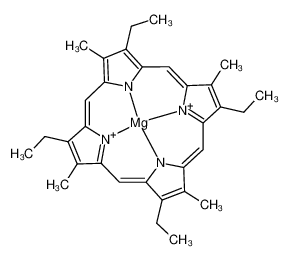
- 15006-36-7
- C32H36MgN4
- 500.96000
- All (0)
- China (0)
- (0)
- 8041-44-9
- C13H16N2O2
- 232.27834
- All (70)
- China (50)
- (70)
- 1123858-21-8
- C13H13N2O2T3
- 238.30300
- All (0)
- China (0)
- (0)

- 7439-95-4
- Mg
- 24.31
- All (7)
- China (5)
- (7)
- 471256-70-9
- C13H16N2O3
- 248.27800
- All (0)
- China (0)
- (0)

- 917-64-6
- CH3IMg
- 166.24
- All (1)
- China (1)
- (1)
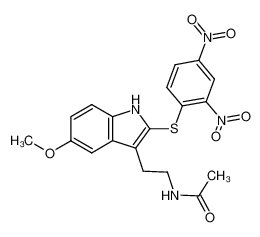
- 28772-49-8
- C19H18N4O6S
- 430.43400
- All (0)
- China (0)
- (0)
- 256345-45-6
- C19H30N2O2Si
- 346.53900
- All (0)
- China (0)
- (0)
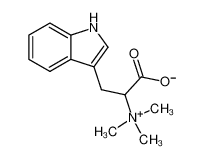
- 64363-86-6
- C14H18N2O2
- 246.30500
- All (0)
- China (0)
- (0)
- 83001-63-2
- C18H16N2O3
- 308.33100
- All (0)
- China (0)
- (0)
Related Products More >

- 73-22-5
- CNY Request For Quotation
- 73-22-4
- CNY Request For Quotation
- 73-22-3
- CNY Request For Quotation
- 14783-68-9
- CNY Request For Quotation
- 14783-68-8
- CNY Request For Quotation
- 14783-68-7
- CNY Request For Quotation
- 869-06-9
- CNY Request For Quotation
- 869-06-8
- CNY Request For Quotation


Timing also matters. Eating your largest meal too close to bedtime can make it harder to fall asleep, while stopping a few hours before bed and keeping regular meal times can signal your brain that it’s nighttime, helping you sleep more soundly. Pairing tryptophan-rich foods with high-fibre carbs, like wholegrains or legumes, can make them more effective.
Beyond diet, exercise, exposure to daylight, and a consistent sleep schedule are important. A plant-rich diet, eaten at consistent times, combined with a healthy lifestyle, seems to give the best chance for deeper, higher-quality sleep. So instead of relying on a single “sleep food,” think about the bigger picture—what you eat all day and how you structure your meals and routines.
Timing matters as much as nutrients. Eating heavy meals close to bedtime diverts energy to digestion, disrupting sleep cycles, while consistent meal times (e.g., early dinners, regular breakfasts) reinforce circadian cues—breakfast in daylight, for example, syncs the body clock by linking food intake to light exposure, boosting nighttime melatonin production. A plant-rich diet, with fruits, veggies, and wholegrains, works holistically: it reduces inflammation (which disrupts sleep architecture) and fuels gut-brain axis health via fiber, supporting bacterial fermentation that influences neural signals for sleep.
Individual foods like tart cherry juice or kiwifruit offer minimal benefits alone; they cannot offset a day of processed foods. For instance, a person eating ultra-processed meals but drinking cherry juice before bed will not see sustained sleep improvement, as nutrient stores for melatonin synthesis are depleted. Instead, consistency—both in nutrient-dense eating (e.g., daily spinach, quinoa, and almonds) and timing (finishing dinner 3 hours pre-bed)—is key. Sleep diet also interacts with other factors: magnesium supplements help only if paired with exercise and consistent sleep-wake cycles, showing diet is part of a broader sleep health framework.
Certain nutrients are directly linked to sleep. Tryptophan, an essential amino acid, is a precursor of serotonin, which is then converted into melatonin, the "sleep hormone" that regulates the sleep/wake cycle. Foods like milk, meat, dairy, nuts, seeds, wholegrains, and legumes are rich in tryptophan. Low tryptophan intake is associated with a higher risk of short sleep duration and insomnia. However, eating tryptophan-rich foods alone isn't enough; they should be consumed with high-fibre carbohydrates for proper digestion and absorption to reach the brain and improve sleep. Magnesium, found in green leafy vegetables, legumes, nuts, seeds, and wholegrains, can reduce the stress hormone cortisol, calming the nervous system and promoting better sleep. Many people lack magnesium due to the Western diet and intensive farming practices that deplete soil magnesium levels.
A plant-based diet that includes wholegrains, dairy, and lean proteins like fish is considered the most beneficial for sleep. This diet is high in tryptophan, fibre, and polyphenols. High-fibre diets support bacterial fermentation in the gut, and a healthy gut can improve sleep via the gut-brain axis. Plant-rich diets also reduce inflammation, which is associated with better sleep quality.
The timing of meals also matters. Eating a large, late-night meal requires extra energy for digestion, disrupting sleep. It's advisable to stop eating a few hours before bed and avoid consuming the bulk of calories at night. Having meals earlier in the day, starting with breakfast, is linked to better sleep quality as it helps the brain distinguish between day and night, facilitating the recognition of sleep time.
In daily life, optimizing diet for sleep can lead to improved overall well-being, productivity, and mental health. In medicine, understanding the relationship between diet and sleep can aid in developing treatment plans for sleep disorders, complementing other therapies.