


 Home
Home
Meta, formerly known as Facebook, has been making waves in the tech world with its foray into smart glasses. The company is reportedly set to launch a new pair of smart glasses codenamed "Hypernova" as early as the end of this year. This high - end version of its smart glasses series is expected to be priced between $1,000 and $1,400, a significant jump from the previous Ray - Ban Meta smart glasses that started at $299.What high-tech and chemical materials are used?
Meta's new smart glasses are priced comparable to Apple phones. What high-tech and chemical materials are used?
Related Encyclopedia

- 25037-45-0
- C16H18O5
- 290.32
- All (23)
- China (7)
- (23)

- 7631-86-9
- O2Si
- 60.08
- All (126)
- China (40)
- (126)
- 83957-02-2
- O2Si
- 64.08380
- All (126)
- China (40)
- (126)
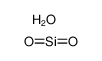
- 23382-09-4
- H2O3Si
- 78.09960
- All (1)
- China (0)
- (1)
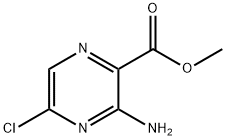
- 28643-16-5
- C6H6ClN3O2
- 187.58
- All (0)
- China (0)
- (0)
- 1174299-13-8
- C26H33NO6
- 455.54300
- All (0)
- China (0)
- (0)
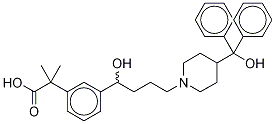
- 479035-75-1
- C32H39NO4
- 501.65636
- All (0)
- China (0)
- (0)
- 32759-04-9
- C15H14CrO3
- 294.26600
- All (0)
- China (0)
- (0)
- 212781-62-9
- C9H14NO2P
- 199.18700
- All (0)
- China (0)
- (0)
- 128650-68-0
- C6H4BrF5
- 250.99200
- All (0)
- China (0)
- (0)
Related Products More >

- 10124-56-8
- CNY Request For Quotation
- 10124-56-10
- CNY Request For Quotation
- 10124-56-9
- CNY Request For Quotation
- 10124-56-8
- CNY Request For Quotation
- CNY Request For Quotation
- CNY Request For Quotation
- CNY Request For Quotation
- CNY Request For Quotation


The camera on the Hypernova is also set to be upgraded. While the current Ray - Ban Meta has a 12 - megapixel camera comparable to the iPhone 11, Meta aims to equip the Hypernova with a camera on par with the iPhone 13, promising better photo and video quality.
Now, let's delve into the possible chemical materials used. For the lenses, materials like polycarbonate or Trivex are likely candidates. Polycarbonate is a strong, lightweight, and impact - resistant thermoplastic. It is widely used in eyewear due to its ability to provide good optical clarity while being shatter - proof, which is crucial for a wearable device like smart glasses. Trivex, on the other hand, is another lightweight and impact - resistant material. It has excellent optical properties and is often preferred for its ability to reduce lens thickness, making the glasses more comfortable to wear for extended periods.
In the construction of the frame, lightweight yet durable metals such as titanium alloys could be used. Titanium alloys offer a good balance of strength and low weight. They are also corrosion - resistant, which is important as the glasses may be exposed to various environmental conditions. Another option could be high - strength polymers like carbon - fiber - reinforced polymers. These materials combine the strength of carbon fibers with the moldability of polymers, resulting in a lightweight and sturdy frame.
For the display screen, organic light - emitting diode (OLED) technology might be employed. OLEDs use organic compounds that emit light when an electric current is applied. They offer advantages such as high contrast ratios, fast response times, and the ability to be fabricated on flexible substrates, which could be beneficial for the compact and curved design of the smart glasses' display. The materials used in OLEDs include organic semiconductors, which are made up of carbon - based compounds. For example, small - molecule organic materials like tris(8 - hydroxyquinoline)aluminum (Alq3) are commonly used in the emissive layer of OLEDs.
As Meta continues to develop and potentially release the Hypernova smart glasses, one has to wonder: Will the combination of these high - tech features and advanced chemical materials be enough to justify the steep price tag and gain significant market acceptance?
One of the key highlights of Hypernova is its display, which is likely based on OLED (Organic Light-Emitting Diode) technology. OLED screens use organic compounds such as polyfluorene derivatives or poly(p-phenylene vinylene) to emit light when an electric current is applied. These materials provide high contrast, low power consumption, and a flexible form factor, making them ideal for wearable devices.
Additionally, the optical layer of the display may incorporate liquid crystal polymers (LCPs), known for their superior thermal stability and high-frequency performance. LCPs help in reducing image distortion while ensuring efficient light transmission in compact wearable displays.
Lightweight yet Durable Frame: Polycarbonate and Carbon Fiber Composites
Smart glasses require a frame that is both lightweight and strong. Polycarbonate (PC), a high-performance plastic, is commonly used in eyewear due to its impact resistance and optical clarity. Meta may also incorporate carbon fiber-reinforced composites, which enhance durability while keeping the weight minimal. This material, made from polyacrylonitrile (PAN)-based carbon fibers, offers excellent rigidity and flexibility, crucial for extended wear comfort.
Lens Coating and Anti-Reflective Films: Silica-Based Nanocoatings
To improve visual clarity and durability, the lenses of Hypernova are likely treated with silica-based nanocoatings. These coatings provide anti-reflective, scratch-resistant, and hydrophobic properties, enhancing the user experience in various lighting conditions. Silicon dioxide (SiO₂) is a common compound used in these coatings, creating an ultra-thin layer that reduces glare and improves display visibility.
Gesture Control and Neural Wristband: Conductive Polymers and Myoelectric Sensors
The "Ceres" wristband, designed to control the glasses through hand gestures, is expected to utilize conductive polymers such as polyaniline (PANI) and polypyrrole (PPy). These materials allow the sensors to detect electrical signals generated by muscle movements, enabling seamless interaction with the smart glasses. Additionally, silver nanowires (AgNWs) may be used in flexible electrodes to enhance sensitivity and responsiveness.
Battery and Power Management: Lithium-Ion and Solid-State Batteries
Power efficiency is a critical factor in smart glasses. Hypernova will likely use a lithium-ion (Li-ion) battery, composed of lithium cobalt oxide (LiCoO₂) or lithium iron phosphate (LiFePO₄) for enhanced energy density and safety. Future iterations may explore solid-state batteries, which replace liquid electrolytes with ceramic or polymer-based alternatives, offering improved longevity and faster charging times.
In addition to the display, the camera upgrade in Hypernova is also noteworthy. Moving from a 12-megapixel camera comparable to the iPhone 11 to one that rivals the iPhone 13's capabilities implies the use of advanced sensor materials. These sensors may incorporate compounds such as silicon carbide (SiC), which is known for its high thermal conductivity and excellent electrical properties, making it suitable for high-performance imaging sensors.
The "Ceres" wristband accessory, which enables gesture control, likely involves the use of flexible conductive materials. Graphene, a single layer of carbon atoms arranged in a hexagonal lattice, is a prime candidate for such applications. Its exceptional electrical conductivity, flexibility, and strength make it an ideal material for creating wearable electronic components.
Furthermore, the integration of multimodal AI technology in Hypernova requires advanced semiconductor materials. Silicon, the backbone of modern electronics, remains a key component. However, other compound semiconductors like gallium arsenide (GaAs) and indium gallium arsenide (InGaAs) may also be used to enhance the performance of the AI chips, enabling faster processing speeds and lower power consumption.
When it comes to the overall design and durability of the glasses, chemical materials play a crucial role. Polycarbonate, a type of plastic known for its high impact resistance and optical clarity, is likely used for the frame. Additionally, coatings made from materials like titanium dioxide (TiO₂) and silicon dioxide (SiO₂) may be applied to improve scratch resistance and reduce glare.
While Meta's Hypernova smart glasses showcase impressive technological advancements, the high price point raises concerns about their market acceptance. Consumers may question whether the added features and high-tech materials justify the significant cost increase compared to the previous Ray-Ban Meta models.