


 Home
Home
Hi, I'd like to ask—can alcohol ink be used to color urethane resin? What's the difference between using powder pigments and liquid dyes for coloring resin? How to adjust the color depth when coloring resin? Will the color of resin fade over time after coloring? Can I mix two types of colorants to create a unique resin color? Thanks!
How to choose colorants and color resin effectively for different projects?
Related Encyclopedia
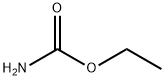
- 51-79-6
- C3H7NO2
- 89.09
- All (22)
- China (0)
- (22)
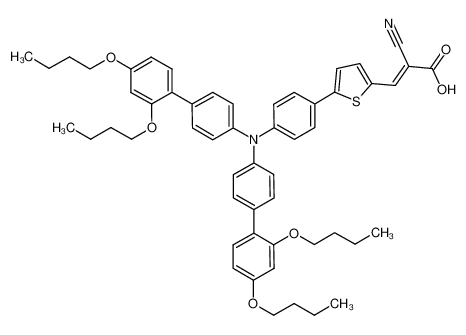
- 1197992-37-2
- C54H58N2O6S
- 863.11300
- All (0)
- China (0)
- (0)
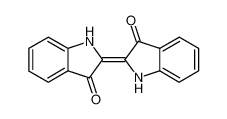
- 64784-13-0
- C16H10N2O2
- 262.26300
- All (0)
- China (0)
- (0)
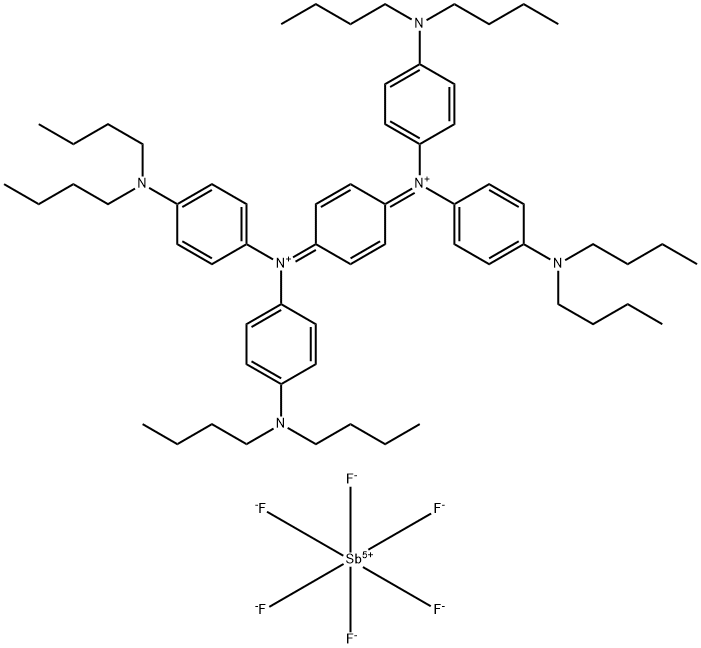
- 5496-71-9
- C62H92F6N6Sb+
- 1157.21
- All (0)
- China (0)
- (0)
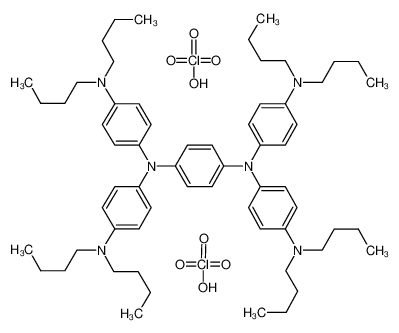
- 88358-74-1
- C62H94Cl2N6O8
- 1122.35000
- All (0)
- China (0)
- (0)
- 354998-70-2
- C55H70N14O9S4
- 1199.49000
- All (0)
- China (0)
- (0)
![4-[2-[2-chloro-3-[2-(2-phenyl-2H-thiochromen-4-yl)ethenyl]cyclohex-2-en-1-ylidene]ethylidene]-2-phenylthiochromene](https://chemcloud-1304660855.cos.ap-shanghai.myqcloud.com/compound/c92fec358ab44678922e0ffdf9b96550.png?imageMogr2/format/webp)
- 76871-75-5
- C40H30Cl2O4S2
- 709.70000
- All (0)
- China (0)
- (0)
![3-[(E)-4,6-dimethylhept-2-enyl]oxolane-2,5-dione,2-[3-(oxiran-2-ylmethoxy)propoxymethyl]oxirane,4-(oxiran-2-yl)-7-oxabicyclo[4.1.0]heptane](https://chemcloud-1304660855.cos.ap-shanghai.myqcloud.com/compound/bbb16ce2863d42899585d90674283a10.png?imageMogr2/format/webp)
- 52368-54-4
- C30H48O9
- 552.69700
- All (0)
- China (0)
- (0)
- 2043-25-6
- C6H9NO3
- 143.14100
- All (0)
- China (0)
- (0)
- 98025-56-0
- C3H6N2O3
- 118.09100
- All (0)
- China (0)
- (0)
Related Products More >

- 9002-86-2
- CNY Request For Quotation
- CNY Request For Quotation
- CNY Request For Quotation
- CNY Request For Quotation
- 465-42-11
- CNY Request For Quotation
- 465-42-10
- CNY Request For Quotation
- 465-42-9
- CNY Request For Quotation
- Request For Quotation


Powder pigments and liquid dyes differ in how they work with resin. Powder pigments are highly concentrated, so they need thorough stirring to prevent clumps; they often produce opaque or semi-opaque colors, with finishes ranging from matte to shimmery metallic, depending on the type. Liquid dyes mix more easily, yielding smooth, transparent or semi-transparent hues, but using too much can thin the resin, potentially weakening the cured material.
To adjust color depth, add colorant gradually. Start with a tiny amount—a single drop of liquid dye or a pinch of powder—mix well, then check the shade. Add more in small increments, stirring each time, until you reach the desired intensity. Jotting down the amount used helps replicate the color later if needed.
Colored resin may fade over time, especially when exposed to direct sunlight or UV rays. Choosing pigments with built-in UV inhibitors or applying a UV-resistant topcoat can slow this process. Darker shades tend to fade less noticeably than lighter ones, and some specialized pigments are formulated for better long-term color retention.
Different soil types affect how these microbes work. Sandy soil drains quickly, sometimes drying out microbial communities, while clay soil holds more moisture, creating a stable home for them. Adding compost boosts microbial activity, as it provides extra organic material for them to decompose. Observing how these tiny organisms thrive or struggle in various conditions shows how interconnected soil health and biological processes really are.
When coloring resin, two common options are powder pigments and liquid dyes. Powder pigments, often made from finely ground minerals or synthetic compounds, tend to produce more opaque and sometimes metallic finishes. They are usually added to the hardener component before mixing with the resin, allowing for better dispersion. Liquid dyes, in contrast, offer more translucent colors and are easier to mix directly into the. resin They are typically used for achieving subtle color tones and gradients.
Adjusting the color depth in resin involves careful control of the amount of colorant added. To achieve a deeper color, gradually increase the proportion of pigment or dye in the mixture, while ensuring that the total amount of colorant does not exceed 5% of the resin mixture by volume. This limit helps maintain the resin's structural integrity and curing properties. It is advisable to start with a small amount of colorant and mix thoroughly before adding more, allowing for incremental adjustments to the color depth.
The longevity of colored resin depends on several factors, including the type of resin used and the environmental conditions to which it is exposed. Resin colors can fade over time, particularly when exposed to prolonged sunlight or harsh weather conditions. To mitigate this, UV-resistant resins are recommended for outdoor applications, and finished pieces should be protected from direct sunlight whenever possible.
Mixing different types of colorants, such as combining powder pigments with liquid dyes, can create unique and customized resin colors. This approach allows for greater creativity and the ability to achieve specific color effects. However, it is important to test small batches first to ensure compatibility and to observe how the colorants interact within the resin. By experimenting with different combinations, artists and craftsmen can develop distinctive and visually appealing resin creations.
The main difference between powder pigments and liquid dyes lies in their texture, opacity, and how they blend with resin. Powder pigments are finely ground solid colors that create opaque or semi-opaque effects when mixed into resin. They require thorough mixing to distribute evenly and can slightly thicken the resin. Liquid dyes are pre-dissolved colorants that blend smoothly, producing transparent or translucent shades. Liquid dyes are easier to use but may not achieve the same bold opacity as pigments. The choice depends on the desired effect—pigments for solid colors, dyes for see-through tints.
Adjusting color depth in resin involves adding colorants gradually. For powder pigments, start with a small amount (about 1/8 teaspoon per 100 grams of resin) and mix well before adding more. Overloading the resin with pigment can make it too thick or affect curing. With liquid dyes, add a few drops at a time, mixing thoroughly between additions. Testing small batches helps achieve the perfect shade without wasting material. Consistency is key—ensure the colorant is fully incorporated to avoid streaks or uneven coloring.
Resin color longevity depends on the quality of the pigments or dyes used. High-quality, resin-specific colorants are designed to resist fading from UV exposure, heat, or moisture. Cheap or non-resin-safe dyes may discolor over time, especially when exposed to sunlight. For outdoor or long-term projects, choose pigments labeled as UV-resistant or specifically made for resin. Properly cured resin with stable colorants will maintain its appearance for years.
Mixing different types of colorants, such as powder pigments and liquid dyes, can create unique custom shades. However, this requires experimentation. Start with small test batches to see how the combination interacts with the resin. For example, adding a small amount of liquid dye to a pigment-mixed resin can soften the opacity or shift the hue slightly.
Proper mixing techniques are crucial for even coloring. Stir slowly and thoroughly to avoid introducing air bubbles. For pigments, scrape the sides and bottom of the container to ensure all particles are dispersed. For dyes, mix until the color is uniform without streaks. Overmixing can sometimes cause air bubbles, so gentle stirring is preferred. Allow the mixed resin to sit briefly before pouring to let any bubbles rise and pop naturally.