


 Home
Home
Hello, may I ask about the methods and safety considerations for producing active resin at home?
What basic materials (e.g., epoxy/acrylic monomers, catalysts) and tools (e.g., mixing containers, PPE) are required for DIY active resin synthesis, and how do they contribute to polymerization control?
Why are ventilation, spill containment, and skin protection non-negotiable? Could you explain the toxicity risks of uncured resin components and exothermic reactions?
How can homemade resin stability be verified (e.g., viscosity checks, cure tests)? Are there indicators (e.g., clarity, bubble-free curing) to confirm industrial-grade performance?
How to Make Reactive Resin at Home? The Safe DIY Guide to High-Performance Resin Crafting
Related Encyclopedia
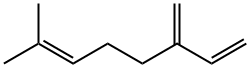
- 123-35-3
- C10H16
- 136.23
- All (30)
- China (17)
- (30)
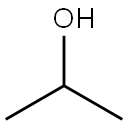
- 67-63-0
- C3H8O
- 60.1
- All (13)
- China (13)
- (13)
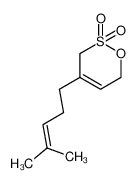
- 71320-36-0
- C10H16O3S
- 216.29700
- All (0)
- China (0)
- (0)
- 6874-41-5
- C10H18
- 138.25000
- All (0)
- China (0)
- (0)
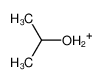
- 18639-80-0
- C3H9O+
- 61.10300
- All (0)
- China (0)
- (0)
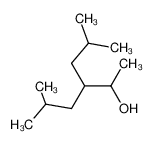
- 861568-28-7
- C11H24O
- 172.30800
- All (0)
- China (0)
- (0)
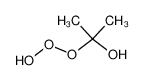
- 79516-27-1
- C3H8O4
- 108.09300
- All (0)
- China (0)
- (0)
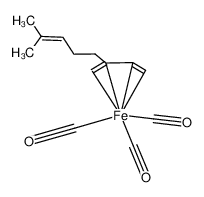
- 33434-20-7
- C13H11FeO3
- 271.07000
- All (0)
- China (0)
- (0)
- 75107-40-3
- C10H16Br2
- 296.04200
- All (0)
- China (0)
- (0)
- 1239488-36-8
- C22H28O6
- 388.45400
- All (0)
- China (0)
- (0)
Related Products More >

- CNY Request For Quotation
- CNY Request For Quotation
- 67-63-0
- Request For Quotation
- 67-63-0
- USD 1.0000
- 160kg
- 67-63-0
- USD 113.0000
- 160kg
- 67-63-0
- 1.0000
- drumkg
- 36687-82-8
- Request For Quotation
- 2436-90-0
- Request For Quotation


1. Basic Materials & Tools for Homemade Live Resin
Core Ingredients:
Fresh frozen cannabis trim (THCA content >20%); 100g yields ~5g live resin.
Food-grade isopropyl alcohol (99%); 500ml for solvent extraction.
Equipment Needs:
Stainless steel mesh bags (150–220 micron) for particle filtration.
Vacuum oven (0–250°C) to remove residual solvents; essential for safety (IPA boiling point 82°C).
2. Critical Safety Protocols for Home Production
Solvent Handling:
Operate in a ventilated area (10 air changes/hour); IPA vapors are flammable (LEL 2.0%).
Use grounded equipment to prevent static sparks; keep open flames 10m away.
Temperature Control:
Never heat above 120°C during decarboxylation; THC degrades at 150°C, losing 30% potency.
3. Ensuring Resin Quality & Stability
Extraction Purity:
Perform cold extraction (–20°C IPA) to preserve terpenes (myrcene, limonene); warm solvent damages 40% of volatile compounds.
Post-Processing:
Cure extracted resin at 60°C under vacuum (–90kPa) for 12h; reduces solvent to <0.5%, meeting food safety standards.
Potency Testing:
Use a refractometer to measure THC concentration; target 70–85% for high-quality live resin.
1. Basic Materials and Tools for Making Reactive Resin
Answer: The essential components are resin monomers, hardeners, and modifiers, along with precise measuring and mixing tools.
Why This Works:
Reactive resins cure through a chemical reaction between resin monomers and hardeners, forming a durable polymer network. Proper ratios and mixing ensure optimal performance.
Required Materials:
Resin Monomers (e.g., bisphenol-A epoxy, polyol for polyurethane)
Hardeners (amine or isocyanate-based curing agents)
Modifiers (plasticizers, UV stabilizers, or flexibilizers)
Solvents (acetone or ethanol for viscosity adjustment)
Essential Tools:
✔ Digital Scale (0.01g precision for accurate ratios)
✔ Glass/Metal Mixing Cups (chemical-resistant)
✔ Silicone Stir Sticks (prevents unwanted reactions)
✔ Ventilated Workspace (fume hood or open-air area)
✔ PPE (gloves, goggles, respirator)
2. Safety Precautions for Homemade Reactive Resin
Working with reactive chemicals requires strict safety measures:
Critical Safety Steps:
Work in Ventilation: Avoid inhaling fumes (use an N95 mask if needed).
Skin Protection: Wear nitrile gloves—latex degrades with solvents.
Eye Safety: Chemical goggles prevent splashes.
Fire Safety: No open flames (some resins/hardeners are flammable).
Waste Disposal: Cure leftover resin before disposal.
Common Risks & Solutions:
Skin Contact: Wash immediately with soap and water.
Fume Inhalation: Take breaks in fresh air.
Spills: Absorb with sand or kitty litter, then dispose safely.
3. Ensuring Quality and Stability in Homemade Resin
To achieve reliable results, follow these best practices:
Quality Control Methods:
✔ Pre-Test Small Batches (10-20g trials before full use)
✔ Measure Precisely (±1% error margin for hardener ratios)
✔ Monitor Cure Time (note gel time and full cure duration)
✔ Check Clarity/Hardness (compare with commercial resin)
Stability Tips:
Store in Amber Glass Bottles (prevents UV degradation).
Keep in Cool, Dry Places (extends shelf life).
Label All Containers (prevents accidental misuse).
**Making Reactive Resin Jewelry or Crafts at Home:**
1. **Select Your Resin Type:** Choose between epoxy or polyester resin based on your project needs. Epoxy is known for its clarity and durability, making it ideal for jewelry.
20. **Gather Supplies:** Besides the resin and hardener, you will need molds, mixing cups, stir sticks, and any decorative elements like pigments, dyes, or embeddable items.
21. **Prepare Your Workspace:** Ensure your workspace is clean, well-ventilated, and covered to protect from spills. Wear gloves and protective eyewear.
22. **Mixing the Resin:** Follow the manufacturer's instructions to mix the resin and hardener in the correct ratio. Precise measurement is crucial for proper curing.
23. **Adding Decorations:** If embedding objects, place them into the mold first. Pour the mixed resin over these items slowly to avoid air bubbles.
24. **Curing Process:** Allow the resin to cure in an environment with stable temperature and free from vibrations. Curing times vary; check the product specifications.
5. **Finishing Touches:** Once cured, demold your pieces. Sand down rough edges and polish if necessary.
**Applications and Examples:**
Reactive resins are widely used for creating custom jewelry, home decor items, and artistic pieces. For instance, hobbyists may create personalized pendants by embedding photos or small keepsakes within clear resin. In home decor, coasters or table tops can be made using colored resin or embedding natural materials like leaves or flowers. These projects not only serve as creative outlets but also produce functional and aesthetically pleasing items. Understanding how to work with reactive resins allows for endless customization possibilities, turning simple materials into unique works of art. Always follow safety guidelines when handling resins and associated chemicals.
(Note: The term "active resin" doesn't have a standard definition in this context, hence the interpretation towards reactive resins.)