


 Home
Home
Hello, please. The answer is no, calcium carbonate doesn't contain dairy products. It's because calcium carbonate is a mineral compound, usually sourced from rocks like limestone or obtained through chemical synthesis, not from dairy. Could you explain why it's not extracted from dairy, whether lactose - intolerant people can safely use it, and if calcium carbonate supplements might have dairy - derived ingredients?
Does Calcium Carbonate Contain Dairy? Clearing Up the Confusion
Related Encyclopedia
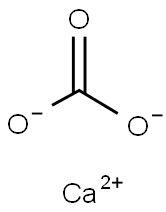
- 1317-65-3
- CCaO3
- 100.09
- All (868)
- China (56)
- (868)
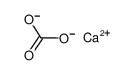
- 792848-15-8
- CCaO3
- 100.08700
- All (868)
- China (56)
- (868)
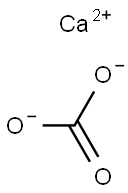
- 471-34-1
- CCaO3
- 100.0869
- All (868)
- China (56)
- (868)
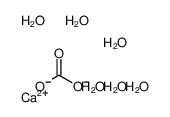
- 15634-14-7
- CH2O3.Ca.6H20
- 208.17900
- All (0)
- China (0)
- (0)
Related Products More >

- 471-34-1
- CNY 50.0000
- 25kg
- 471-34-1
- Request For Quotation
- 1ton
- 471-34-1
- Request For Quotation
- 25kg
- 471-34-1
- Request For Quotation
- 1ton
- 471-34-1
- Request For Quotation
- 25kg
- 471-34-1
- Request For Quotation
- 1kg
- 471-34-1
- Request For Quotation
- 1ton
- 471-34-1
- Request For Quotation
- 25kg


Calcium carbonate is not extracted from dairy. It typically comes from natural mineral deposits (e.g., limestone) or is synthetically produced via chemical reactions, unrelated to milk or dairy products.
Lactose-intolerant individuals can safely use pure calcium carbonate, as it lacks lactose. However, some calcium carbonate supplements may include dairy-derived additives (e.g., fillers) during manufacturing, posing risks.
To be safe, lactose-intolerant users should check labels for terms like "milk," "lactose," or "casein," and opt for supplements labeled "dairy-free."
The confusion may arise because calcium carbonate is often used as a calcium supplement in foods and pharmaceuticals, and calcium is strongly associated with milk and dairy. However, the compound is chemically distinct and does not include any milk proteins (such as casein or whey) or lactose, which are the defining components of dairy.
In daily life, calcium carbonate has a wide range of applications. It is used as a dietary supplement to support bone health, as an antacid to relieve heartburn and indigestion, and as a filler in pharmaceutical tablets. In the food industry, it serves as a food additive (E170) for fortification and as a whitening agent in products like toothpaste and baking powder. It is also used in construction materials, paper, and environmental remediation.
Despite being dairy-free, individuals with severe allergies should check product labels, as some supplements may be manufactured in facilities that process dairy. Keywords such as non-dairy, calcium supplement, safety, and applications emphasize its role as a versatile, dairy-free source of calcium used across health, food, and industrial sectors.
1. Calcium Carbonate’s Non-Dairy Origins
Primary Sources:
1.
Geological:
•
Mined from limestone, marble, chalk deposits
•
Purified via crushing/grinding (no animal inputs)
2.
Industrial Synthesis:
•
Precipitation method: Calcium chloride + sodium carbonate
•
Carbonation process: Lime + CO₂ gas
Key Fact:
•
No dairy involvement in standard production (unlike calcium lactate, which can be dairy-derived)
2. Safety for Lactose-Intolerant Individuals
Why It’s Safe:
•
Zero lactose: CaCO₃ lacks milk sugars/proteins
•
FDA classification: Dairy-free when not blended with milk derivatives
Exception:
•
Some chewable calcium supplements may contain lactose as a binder (always check labels)
3. When Dairy Might Sneak In
Product Type
Risk of Dairy Contamination
How to Verify
Antacid tablets
Extremely rare
Look for "vegan" or "dairy-free" labels
Fortified foods
Possible (e.g., milk powders)
Check for "may contain milk" warnings
Pharmaceuticals
Rare (some capsules use lactose)
Consult pharmacist
Dairy-Free Guarantee:
•
USP/FCC-grade CaCO₃: Always lactose-free
•
"Vegan Certified" supplements: No dairy byproducts