


 Home
Home
Hello, please. The answer is generally, it's safe for pregnant women to take calcium carbonate under proper guidance. It's because calcium is vital for fetal bone development and maternal bone health. Could you explain why it's considered safe, what the clinical recommendations for pregnant women taking calcium carbonate are, how calcium carbonate affects gestational hypertension, and how to determine the appropriate supplementation dosage during pregnancy?
Is Calcium Carbonate Safe During Pregnancy? Navigating Its Use for Mothers
Related Encyclopedia

- 1317-65-3
- CCaO3
- 100.09
- All (868)
- China (56)
- (868)
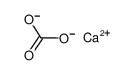
- 792848-15-8
- CCaO3
- 100.08700
- All (868)
- China (56)
- (868)

- 471-34-1
- CCaO3
- 100.0869
- All (868)
- China (56)
- (868)
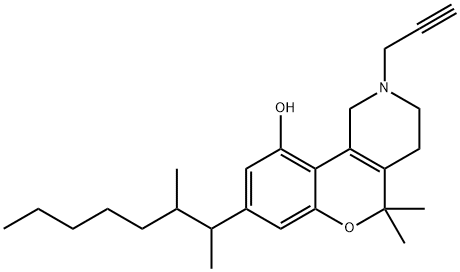
- 26685-57-4
- C26H37NO2
- 395.58
- All (0)
- China (0)
- (0)
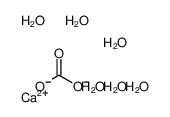
- 15634-14-7
- CH2O3.Ca.6H20
- 208.17900
- All (0)
- China (0)
- (0)
Related Products More >

- 471-34-1
- CNY 50.0000
- 25kg
- 471-34-1
- Request For Quotation
- 1ton
- 471-34-1
- Request For Quotation
- 25kg
- 471-34-1
- Request For Quotation
- 1ton
- 471-34-1
- Request For Quotation
- 25kg
- 471-34-1
- Request For Quotation
- 1kg
- 471-34-1
- Request For Quotation
- 1ton
- 471-34-1
- Request For Quotation
- 25kg


Clinical guidelines advise pregnant women to consume 1000–1300 mg of calcium daily; calcium carbonate supplements are often prescribed if dietary intake is insufficient, under medical supervision.
Calcium carbonate may reduce the risk of 妊娠期高血压 (gestational hypertension) and preeclampsia. It helps regulate blood vessel function, potentially lowering blood pressure in susceptible individuals.
Dosage is determined by factors like dietary intake, trimester, and individual needs. Typically, 500–1000 mg per day is prescribed, but exceeding 2500 mg may cause side effects like constipation, so adherence to medical advice is crucial.
1. Clinical Guidelines for Prenatal Calcium Carbonate
WHO/ACOG Recommendations:
•
Standard Pregnancy: 1,000-1,300 mg/day elemental calcium (2,500-3,250 mg CaCO₃)
•
High-Risk Pregnancies: 1,500-2,000 mg/day for women with low dietary calcium (<600 mg/day)
Key Benefits:
•
Fetal Skeleton Development: 80% of fetal calcium transfers occur in 3rd trimester
•
Maternal Bone Preservation: Prevents 3-5% bone density loss during lactation
Safety Profile:
•
No teratogenic effects (FDA Category C for supplements)
•
Avoid >2,500 mg/day to prevent hypercalcemia
2. Calcium Carbonate vs. Pregnancy-Induced Hypertension
Preeclampsia Prevention:
•
Mechanism: Calcium regulates vascular smooth muscle contraction
•
Clinical Evidence:
•
50% lower preeclampsia risk with 1,500 mg/day CaCO₃ (WHO MULTICENTRE trial)
•
30% reduction in severe hypertension (Cochrane Review)
Critical Window:
•
Most effective when started before 20 weeks gestation
3. Personalized Dosage Calculation
Patient Profile
Calcium Carbonate Dose
Rationale
Teen Pregnancy
1,300 mg elemental Ca/day
Higher skeletal demands
Multiple Gestation
1,500-2,000 mg/day
Twins require 2× calcium transfer
Lactose Intolerant
1,200 mg + vitamin D 800 IU
Compensates for low dairy intake
Preeclampsia History
1,500 mg starting at 12 weeks
Prophylactic protocol
Administration Tips:
•
Split doses (≤500 mg elemental Ca per dose)
•
Take with meals (acid improves absorption)
•
Avoid iron supplements within 2 hours (competes for absorption)
Calcium carbonate is a widely used form of calcium supplement due to its high elemental calcium content (about 40% by weight), making it an efficient and cost-effective option. It is best absorbed when taken with food, as it requires stomach acid for optimal dissolution. This makes it suitable for regular use under medical guidance.
In daily life, calcium carbonate is not only found in prenatal vitamins but also used as an antacid to relieve heartburn, a common discomfort during pregnancy. Its dual role in providing essential nutrients and alleviating digestive issues adds to its practicality.
However, safety and proper dosage are key considerations. Excessive intake can lead to side effects such as constipation, bloating, or kidney stones, and may interfere with the absorption of other minerals like iron. Therefore, pregnant women should follow healthcare provider recommendations regarding dosage and timing.
Keywords such as prenatal health, calcium intake, and safety underscore the importance of informed and monitored use. While calcium carbonate is safe and beneficial for most pregnant women, individual needs may vary, emphasizing the need for personalized medical advice. This highlights the balance between nutritional support and responsible supplementation during pregnancy.