


 Home
Home
I’ve been thinking about my college major and biochemistry keeps coming up as an option. I know it deals with things like proteins, enzymes, and cellular processes, but I’m wondering what makes it a strong choice compared to other science majors. Will it open up career paths in healthcare, research, or industry? How does it compare to more general biology or chemistry majors in terms of opportunities and skill development? Could choosing biochemistry really give me an edge in the job market or grad school?
Is Biochemistry a Good Major for My Future Career?
Related Encyclopedia
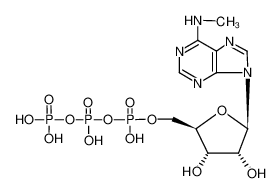
- 3130-39-0
- C11H18N5O13P3
- 521.20800
- All (0)
- China (0)
- (0)
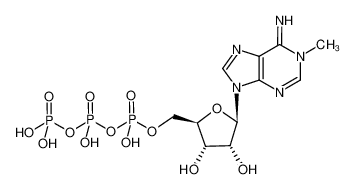
- 68643-11-8
- C11H18N5O13P3
- 521.20800
- All (0)
- China (0)
- (0)
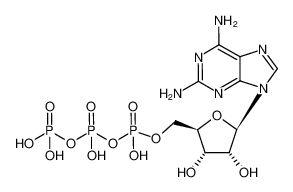
- 18549-34-3
- C10H17N6O13P3
- 522.19600
- All (0)
- China (0)
- (0)
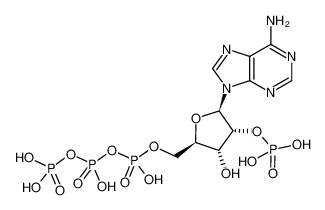
- 23339-43-7
- C10H17N5O16P4
- 587.16100
- All (3)
- China (0)
- (3)
- 64363-04-8
- C10H14N5O13P3--
- 505.16500
- All (3)
- China (0)
- (3)
- 64344-01-0
- C10H13N5O13P3---
- 504.15700
- All (3)
- China (0)
- (3)
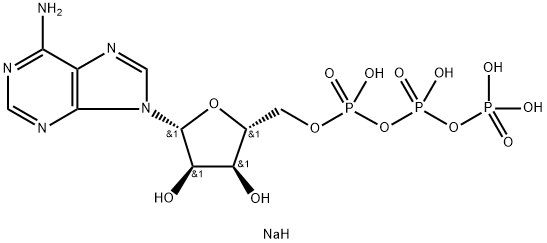
- 987-65-5
- C10H17N5NaO13P3
- 531.18
- All (0)
- China (0)
- (0)

- 115044-69-4
- C103H185N31O24S
- 2273.83
- All (0)
- China (0)
- (0)
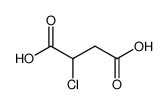
- 617-41-4
- C4H5ClO4
- 152.53300
- All (0)
- China (0)
- (0)
- 90698-81-0
- 0
- All (0)
- China (0)
- (0)
Related Products More >

- 9010-10-2
- CNY Request For Quotation
- 9010-10-1
- CNY Request For Quotation
- 9010-10-0
- CNY Request For Quotation
- CNY Request For Quotation
- CNY Request For Quotation
- CNY Request For Quotation
- 66071-96-3
- USD 15.0000
- 25kg
- 303-98-0
- CNY 40.0000
- 25kg


From an academic and career perspective, the major develops strong analytical and laboratory skills. Students learn to isolate and analyze proteins, sequence DNA, and measure cellular reactions, giving them hands-on experience that directly translates to lab-based roles. Consider someone investigating how a particular protein affects cell signaling; the same skills and understanding could be applied in a pharmaceutical company developing new therapies. The rigorous training also hones problem-solving and critical thinking, which are applicable beyond the lab, including clinical research, bioinformatics, or regulatory roles in healthcare.
Another key aspect is the interdisciplinary nature of biochemistry. It integrates chemical principles with biological systems, so graduates are equipped to approach complex problems, such as how environmental toxins impact human health at the molecular level. Real-world applications include developing diagnostic tools, optimizing vaccines, or improving agricultural products through molecular interventions. For students passionate about connecting molecular mechanisms to practical outcomes, biochemistry offers a versatile foundation that can open doors to diverse scientific and healthcare careers, as well as opportunities for graduate and professional study.
The versatility of a biochemistry degree stems from its relevance across fields. In pharmaceuticals, understanding enzyme kinetics guides drug design, ensuring molecules inhibit target proteins without disrupting essential processes. In agriculture, knowledge of plant biochemistry informs the development of drought-resistant crops by manipulating pathways that regulate water retention. Even in forensics, biochemical techniques like DNA profiling rely on isolating and amplifying nucleic acids, a skill honed in biochemistry labs. This breadth means graduates can pivot between industries, adapting to emerging needs such as personalized medicine, where genomic and proteomic data tailor treatments to individual biochemistries.
Beyond career flexibility, studying biochemistry fosters critical thinking, teaching students to design experiments that test hypotheses about molecular interactions—skills applicable to problem-solving in any context. For those drawn to discovery, it opens doors to research on frontiers like synthetic biology, where organisms are engineered to produce biofuels or pharmaceuticals, merging biochemical principles with engineering. For pre-medical students, it provides a deep understanding of human physiology that enriches clinical practice, from interpreting lab results to grasping how drugs interact with cellular targets. This blend of depth and adaptability makes biochemistry not just a major, but a lens through which to engage with the molecular underpinnings of life, offering both practical opportunity and intellectual fulfillment.
The degree's value extends beyond pre-medical preparation, despite common perceptions. Biochemistry majors develop expertise in analytical techniques like HPLC (high-performance liquid chromatography) and circular dichroism spectroscopy, skills directly transferable to pharmaceutical quality control or forensic science. The major differs from molecular biology by emphasizing quantitative analysis of biochemical systems—using Lineweaver-Burk plots to determine enzyme inhibition types, for instance—rather than focusing on genetic information flow. Industry demand for biochemists continues growing in synthetic biology (designing novel metabolic pathways in microorganisms) and biomanufacturing (optimizing protein expression yields in recombinant systems).
A frequent misconception suggests biochemistry limits graduates to academic research. In reality, the degree's blend of laboratory skills (UV-Vis spectrophotometry, SDS-PAGE) and computational modeling (molecular docking simulations) prepares students for diverse roles in patent law, science policy, or medical diagnostics. The field's mathematical demands—mastering rate equations for multi-step reactions or interpreting NMR spectra—also cultivate problem-solving abilities valued in finance and data science. With proper specialization through electives like biophysical chemistry or toxicology, biochemistry offers both depth and flexibility for navigating evolving biotechnology landscapes.