


 Home
Home
People often hear that certain protein supplements might affect cholesterol, and collagen is no exception. If someone is taking collagen regularly to support skin, hair, joints, or overall health, could it have an impact on blood cholesterol levels? Are there particular forms of collagen or dosages that might influence lipid profiles, and should individuals with a history of high cholesterol be cautious when including collagen in their diet? How does collagen interact with the body’s fat metabolism in practical terms?
Does Collagen Raise Cholesterol Levels?
Related Encyclopedia
- 9007-34-5
- 0
- All (14)
- China (1)
- (14)
- 9064-67-9
- C4H6N2O3R2.(C7H9N2O2R)n
- 0
- All (14)
- China (1)
- (14)
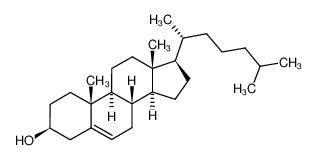
- 57-88-5
- C27H46O
- 386.65400
- All (44)
- China (23)
- (44)
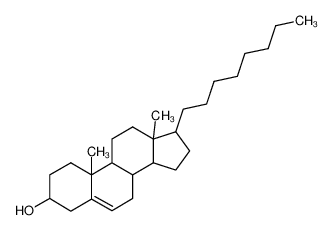
- 80356-14-5
- C27H46O
- 386.65400
- All (44)
- China (23)
- (44)
- 92113-31-0
- CO(NH2)2,Fe+++
- 0
- All (3)
- China (0)
- (3)

- 14546-23-7
- C29H51N
- 413.72200
- All (0)
- China (0)
- (0)

- 57700-98-8
- C31H48N2OS
- 496.79100
- All (0)
- China (0)
- (0)
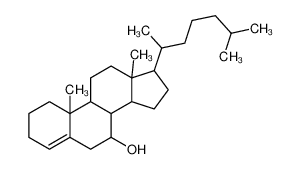
- 475-32-1
- C27H46O
- 386.66000
- All (0)
- China (0)
- (0)
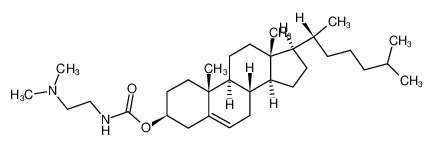
- 137056-72-5
- C32H56N2O2
- 500.79900
- All (0)
- China (0)
- (0)
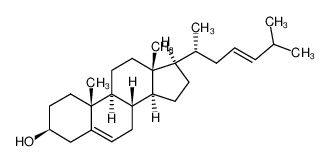
- 58507-61-2
- C27H44O
- 384.63800
- All (0)
- China (0)
- (0)
Related Products More >

- 92113-31-0
- Request For Quotation
- 25kg/Cardboard Drum
- 92113-31-0
- Request For Quotation
- 1g,50g,100g,1000g
- 92113-31-0
- Request For Quotation
- 92113-31-0
- Request For Quotation
- 25kg/drum
- 92113-31-0
- Request For Quotation
- 92113-31-0
- Request For Quotation
- 92113-31-0
- Request For Quotation
- 92113-31-0
- Request For Quotation
- 100g;1kg;25g


Cholesterol, on the other hand, is a lipid molecule that is an essential component of cell membranes and is also involved in the synthesis of hormones and bile acids. Collagen and cholesterol belong to different biochemical classes and have distinct physiological functions. Unlike saturated fats or trans - fats, which are well - known for their potential to raise blood cholesterol levels, collagen does not contain fatty components that could directly impact cholesterol metabolism.
A common misunderstanding is that since collagen is often consumed as a supplement, it might have similar effects on cholesterol as high - fat foods. However, this is not the case. In fact, maintaining healthy collagen levels in blood vessels can contribute to their proper function and integrity, which is beneficial for cardiovascular health. While collagen itself does not raise cholesterol, a balanced diet that includes appropriate amounts of all nutrients, along with regular physical activity, is crucial for managing cholesterol levels effectively.
The metabolic interplay between collagen and cholesterol is indirect, rooted in amino acid metabolism rather than direct lipid interaction. Glycine, a primary amino acid in collagen, is involved in the synthesis of bile acids, which help break down dietary fats, including cholesterol, and facilitate their excretion from the body. This process can support cholesterol balance by reducing the amount of cholesterol reabsorbed in the intestines, potentially offsetting any minor cholesterol contributions from collagen sources. This contrasts with dietary cholesterol from high-fat animal products, which can directly impact blood cholesterol levels in some individuals, whereas collagen’s influence is mediated through metabolic pathways.
In practical terms, the effect of collagen on cholesterol depends largely on the form in which it is consumed. Hydrolyzed collagen peptides, the most common supplement form, are highly purified and contain no cholesterol, posing no risk of raising lipid levels. Conversely, collagen-rich foods like organ meats or certain processed meat products may contribute to higher cholesterol intake due to their fat content, but this is a function of the food matrix, not the collagen itself. For individuals monitoring cholesterol, choosing pure collagen supplements or low-fat collagen sources ensures that any impact on lipid levels remains negligible.
Beyond individual health, this relationship underscores the importance of distinguishing between a nutrient and its source in nutritional science. Collagen, as a protein, plays a structural role in the body without affecting cholesterol, but its association with animal-derived products can create misconceptions about its impact on lipids. In the supplement industry, this has led to the development of cholesterol-free collagen formulations, catering to health-conscious consumers seeking the benefits of collagen without concerns about lipid levels. Understanding this distinction helps individuals make informed choices, leveraging collagen’s benefits for connective tissue health while maintaining control over their cholesterol intake through mindful sourcing.
The impact of collagen on cholesterol metabolism is largely indirect. For instance, collagen supplementation can support muscle and connective tissue maintenance, which may enhance overall metabolic efficiency. Improved tissue repair and exercise capacity could lead to higher physical activity levels, indirectly influencing lipid profiles. Additionally, collagen-derived amino acids can serve as substrates for gluconeogenesis or energy production, but they do not supply significant amounts of saturated fat or cholesterol, so the direct biochemical pathway affecting serum cholesterol is minimal.
In practical terms, most commercially available collagen peptides are low in fat and do not contain cholesterol themselves. However, formulations that combine collagen with flavorings, sweeteners, or fats—such as in certain protein bars or beverages—could affect cholesterol intake depending on the added ingredients. For example, a collagen powder mixed into a high-fat smoothie may contribute more to dietary lipid intake than the collagen itself. Understanding these distinctions allows nutritionists and clinicians to advise patients on collagen use without conflating protein supplementation with cholesterol risk.