


 Home
Home
What makes collagen such an essential protein in the human body? How does it contribute to the health of our skin, bones, and joints? Why do people talk so much about collagen when it comes to aging and wellness? Can our body function properly without enough collagen? What roles does collagen play in everyday body functions and overall health? Why should someone pay attention to their collagen levels?
Why Is Collagen Important for Our Body?
Related Encyclopedia
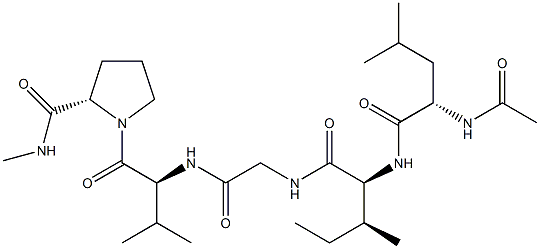
- 9007-58-3
- C27H48N6O6
- 552.70662
- All (0)
- China (0)
- (0)
- 9007-34-5
- 0
- All (14)
- China (1)
- (14)
- 9064-67-9
- C4H6N2O3R2.(C7H9N2O2R)n
- 0
- All (14)
- China (1)
- (14)
- 92113-31-0
- CO(NH2)2,Fe+++
- 0
- All (3)
- China (0)
- (3)

- 115044-69-4
- C103H185N31O24S
- 2273.83
- All (0)
- China (0)
- (0)
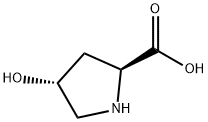
- 51-35-4
- C5H9NO3
- 131.13
- All (84)
- China (23)
- (84)
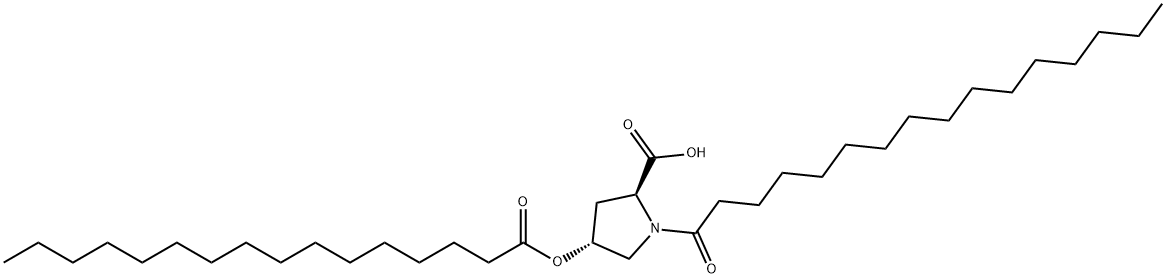
- 41672-81-5
- C37H69NO5
- 607.95
- All (1)
- China (0)
- (1)
- 147028-80-6
- C5H9NO3
- 131.13000
- All (84)
- China (23)
- (84)
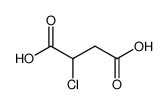
- 617-41-4
- C4H5ClO4
- 152.53300
- All (0)
- China (0)
- (0)
- 90698-81-0
- 0
- All (0)
- China (0)
- (0)
Related Products More >

- 9010-10-2
- CNY Request For Quotation
- 9010-10-1
- CNY Request For Quotation
- 9010-10-0
- CNY Request For Quotation
- 66071-96-3
- USD 15.0000
- 25kg
- 96690-41-4
- Request For Quotation
- 25kg drum
- 93615-44-2
- Request For Quotation
- 25kg drum
- 92113-31-0
- Request For Quotation
- 25kg/Cardboard Drum
- 92113-31-0
- Request For Quotation
- 1g,50g,100g,1000g


As we get older, our collagen production slows down, which is why skin might get wrinkles or joints feel stiffer. That’s why many people pay attention to collagen when thinking about staying healthy and looking youthful. Collagen also helps repair tissues when you get a cut or injury.
So, collagen is basically a building block for your body’s structure and repair. Without enough of it, our tissues can weaken, making movement and skin health more difficult to maintain. It’s no wonder collagen gets so much attention when we talk about aging and wellness.
At the molecular level, collagen's unique amino acid composition, particularly its high content of glycine, proline, and hydroxyproline, contributes to the stability and assembly of fibrils that confer durability to various tissues. This molecular architecture also enables collagen to interact with other extracellular matrix components, facilitating processes like cell adhesion and signaling, which are crucial for tissue homeostasis and regeneration.
In practical applications, collagen's importance is evident in both health and disease contexts. For example, in dermatology, collagen supports skin elasticity and hydration, thus playing a central role in the aging process and wound healing. In orthopedics, collagen type II is vital for cartilage structure, and its degradation is linked to conditions like osteoarthritis. Therapeutically, collagen-based biomaterials are used in regenerative medicine to promote tissue repair.
The decline of collagen synthesis with age or injury highlights why maintaining adequate collagen levels is essential for preserving functional tissue architecture. This explains why interventions such as collagen supplementation or tissue engineering approaches focus on restoring or enhancing collagen production to support structural integrity and overall health. Understanding collagen’s biochemical and physiological roles is key to appreciating its critical importance in human biology and medicine.
From a biochemical perspective, collagen’s role extends beyond structure. In the extracellular matrix, it acts as a signaling molecule, binding to cell-surface receptors like integrins to regulate cell proliferation, differentiation, and migration. For instance, during wound healing, collagen fibers guide fibroblasts to the injury site, stimulating collagen synthesis and tissue remodeling. This dynamic interaction explains why collagen degradation in autoimmune diseases like rheumatoid arthritis leads to joint erosion, as the loss of structural support disrupts cellular homeostasis.
Industrially, collagen’s biocompatibility and biodegradability make it a gold-standard material in biomedical engineering. Surgical sutures made from collagen dissolve harmlessly, while collagen-based scaffolds are used in tissue engineering to grow artificial skin or cartilage. In cosmetics, collagen peptides are incorporated into creams and supplements to enhance skin hydration, though their efficacy depends on molecular size and absorption rates. Even in food technology, collagen from animal bones and skins is hydrolyzed into gelatin, a thickening agent in desserts and capsules.
The broader significance of collagen lies in its intersection with aging and disease. As collagen synthesis declines with age, skin loses elasticity, bones become fragile, and joints ache—a phenomenon driving the global collagen supplement market. By understanding collagen’s molecular mechanisms, scientists can develop targeted therapies for osteoarthritis, osteoporosis, and skin aging, while its synthetic analogs pave the way for sustainable biomaterials. Thus, collagen’s importance transcends biology, shaping innovations in health, industry, and our understanding of how structure governs function at every scale.
In tissues, collagen’s role varies by type: type I, the most abundant, forms fibers in skin, bones, and tendons, providing resistance to stretching and connecting cells to form cohesive tissues. Type II collagen, found in cartilage, has a more compact structure that cushions joints under pressure. Without this framework, tissues would lack integrity—skin would tear easily, bones would lose flexibility, and organs would lack the scaffolding to maintain shape.
Beyond structure, collagen mediates key physiological processes. It guides cell migration during wound healing, as fibroblasts use collagen fibrils to navigate and deposit new tissue. It also interacts with integrins on cell surfaces, triggering signaling pathways that regulate cell growth and differentiation, critical for tissue repair and development.
Collagen differs from other structural proteins like keratin or elastin: keratin provides rigidity in hair and nails, while elastin allows stretch and recoil in skin and blood vessels, but neither can replicate collagen’s combination of strength and flexibility. A common misconception is reducing collagen to a cosmetic nutrient; while it supports skin elasticity, its role in vascular integrity (type IV collagen in blood vessel walls) and organ structure (e.g., liver and kidney capsules) is far more systemic.
Its importance is underscored in disorders like Ehlers-Danlos syndrome, where defective collagen synthesis leads to hypermobile joints and fragile skin, highlighting that collagen is not merely a "support protein" but a linchpin of biological integrity.