


 Home
Home
Many people wonder if drinking milk can actually provide collagen to support skin, hair, and joint health. Since collagen is commonly associated with bones, meat, and fish products, is it present in milk in meaningful amounts? Can regular consumption of milk contribute to your body’s collagen production, or is it mostly just protein and calcium without the same benefits? How does milk compare to other collagen sources, and should it be considered part of a routine for maintaining healthy connective tissue?
Does Milk Have Collagen? Understanding Its Role in Your Diet
Related Encyclopedia
- 9007-34-5
- 0
- All (14)
- China (1)
- (14)
- 9064-67-9
- C4H6N2O3R2.(C7H9N2O2R)n
- 0
- All (14)
- China (1)
- (14)

- 9000-71-9
- C81H125N22O39P
- 2061.956961
- All (38)
- China (0)
- (38)
- 92113-31-0
- CO(NH2)2,Fe+++
- 0
- All (3)
- China (0)
- (3)
- 691364-49-5
- 0
- All (0)
- China (0)
- (0)
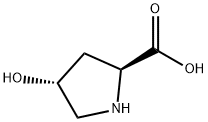
- 51-35-4
- C5H9NO3
- 131.13
- All (84)
- China (23)
- (84)
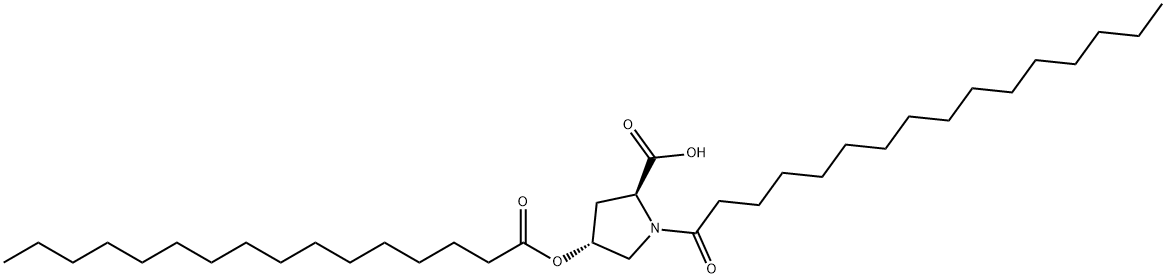
- 41672-81-5
- C37H69NO5
- 607.95
- All (1)
- China (0)
- (1)
- 147028-80-6
- C5H9NO3
- 131.13000
- All (84)
- China (23)
- (84)
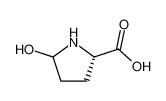
- 104111-00-4
- C5H9NO3
- 131.13000
- All (0)
- China (0)
- (0)
- 286375-02-8
- C53H78N12O16S4
- 1267.52000
- All (0)
- China (0)
- (0)
Related Products More >

- CNY Request For Quotation
- 9005-46-3
- Request For Quotation
- 1kg
- 92113-31-0
- Request For Quotation
- 25kg/Cardboard Drum
- 92113-31-0
- Request For Quotation
- 1g,50g,100g,1000g
- 92113-31-0
- Request For Quotation
- 92113-31-0
- Request For Quotation
- 25kg/drum
- 92113-31-0
- Request For Quotation
- 92113-31-0
- Request For Quotation


Milk, on the other hand, is a complex biological fluid rich in proteins like casein and whey. These milk proteins have different chemical structures and functions compared to collagen. Casein exists as micelles in milk and provides a slow - release source of amino acids, while whey proteins are quickly absorbed and are high in essential amino acids. They play crucial roles in infant nutrition, muscle growth, and immune function.
A common misunderstanding is that since both milk and collagen are animal - derived products, milk must contain collagen. However, their origins and biological roles are distinct. Milk is produced by mammary glands for nourishing offspring, while collagen is a structural component of various body tissues. If one is looking to increase collagen intake, sources like bone broth, fish skin, or dedicated collagen supplements are more appropriate, as milk cannot serve as a reliable source of this specific protein for promoting skin elasticity, joint health, or other collagen - related benefits.
In applied nutrition, the distinction is important. For example, bone broth or hydrolyzed collagen supplements contain pre-digested collagen peptides, which can be more readily used by the body for connective tissue support. Milk can complement these sources by providing additional amino acids, but its effect on skin elasticity or joint resilience is minimal without targeted collagen intake. In everyday scenarios, incorporating milk into a balanced diet aids general health, supporting muscle recovery and skeletal strength, yet for individuals aiming specifically to improve skin or joint connective tissue, combining milk with collagen-specific foods is more effective.
Ultimately, understanding milk’s role requires recognizing its protein profile and nutrient composition. While it indirectly supports structural proteins through amino acid availability, the practical impact on collagen-dependent tissues like skin, tendons, and cartilage is limited. Using milk alongside collagen-rich sources ensures a more complete approach to maintaining connective tissue integrity in real-world dietary practices.
The low collagen content in milk aligns with its biological purpose: to deliver easily digestible proteins, fats, sugars, and vitamins to developing young, not to provide structural building blocks. Casein, the main protein in milk, forms curds in the stomach, releasing amino acids slowly to sustain growth, while whey proteins are rapidly absorbed, supporting immune function and muscle development. Collagen, with its large, fibrous structure and specific amino acid makeup (rich in glycine and proline), does not fit this profile, making it an incidental rather than intentional component of milk.
In practical terms, milk is not considered a meaningful source of collagen for humans. To obtain significant amounts of collagen, one would need to consume connective tissues like bone broth, gelatin, or skin, where collagen is concentrated. Milk’s nutritional value lies instead in its contribution to protein intake through casein and whey, which provide a balanced array of essential amino acids, including those that can be used by the body to synthesize collagen, albeit indirectly. This distinction is important for individuals seeking collagen through diet, as relying on milk would not meet their needs, whereas combining milk with collagen-rich foods could support overall protein and amino acid intake.
Beyond nutrition, this relationship highlights how different animal products evolved to serve distinct biological roles, with milk focused on early development and connective tissues on structural integrity. In the dairy industry, processes like cheese-making or whey extraction further reduce any trace collagen, as these methods target casein and whey. Understanding that milk lacks significant collagen underscores the importance of diverse dietary sources to meet specific nutrient needs, showing that even within animal products, protein composition varies dramatically based on biological function.