


 Home
Home
Have you ever wondered what an O2 sensor really does in your car or home appliances? How does it detect oxygen levels, and why is it important for safety and efficiency? Can it help reduce harmful emissions, save fuel, or prevent engine problems? What makes it different from other sensors, and how does it know when there’s too much or too little oxygen around? Could it affect the performance of devices you use every day, and how do you even check if it’s working properly?
What Is the O2 Sensor and How Does It Work in Everyday Life?
Related Encyclopedia

- 201230-82-2
- CO
- 28.01010
- All (1)
- China (1)
- (1)
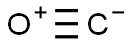
- 630-08-0
- CO
- 28.01
- All (1)
- China (1)
- (1)
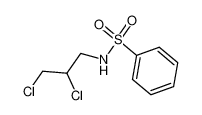
- 832-42-8
- C9H11Cl2NO2S
- 268.16014
- All (0)
- China (0)
- (0)
- 143385-86-8
- CArO
- 67.95810
- All (0)
- China (0)
- (0)

- 4906-87-0
- CH2O
- 32.02570
- All (0)
- China (0)
- (0)
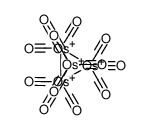
- 12375-04-1
- C12H8O12Os4
- 1101.07000
- All (0)
- China (0)
- (0)
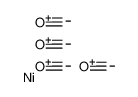
- 12612-55-4
- C4NiO4
- 170.73400
- All (0)
- China (0)
- (0)
- 35075-78-6
- CH3BO
- 42.04320
- All (0)
- China (0)
- (0)
- 158394-05-9
- CHNO4
- 91.02290
- All (0)
- China (0)
- (0)
- 40217-37-6
- CH2O2
- 46.02540
- All (0)
- China (0)
- (0)
Related Products More >

- 630-08-0
- Request For Quotation
- 1ton
- 630-08-0
- Request For Quotation
- 26337-35-9
- Request For Quotation
- kg
- 1641-69-6
- Request For Quotation
- 1641-69-6
- Request For Quotation
- 1KG/Drum
- 12108-13-3
- Request For Quotation
- 103170-28-1
- Request For Quotation
- 25kg/Cardboard Drum
- 10102-43-9
- Request For Quotation
- 25kg/Cardboard Drum


In the context of automotive engineering, the O2 sensor plays a pivotal role in the engine management system by providing real-time feedback to the engine control unit (ECU). The ECU uses this data to adjust the air-fuel ratio, ensuring it remains close to the stoichiometric ratio (approximately 14.7:1 for gasoline), where combustion is most efficient. This precise control minimizes harmful emissions such as carbon monoxide (CO), hydrocarbons (HC), and nitrogen oxides (NOx), while also optimizing fuel efficiency and engine performance. Without an operational O2 sensor, the ECU would rely on pre-programmed settings, leading to inefficient fuel consumption and increased emissions, which could cause a vehicle to fail emissions tests.
It is important to distinguish the O2 sensor from other exhaust gas sensors, such as the NOx sensor or the particulate matter (PM) sensor. While all monitor exhaust components, the O2 sensor specifically focuses on oxygen levels to regulate combustion, whereas NOx sensors measure nitrogen oxides to enable selective catalytic reduction (SCR) systems, and PM sensors detect particulate matter for diesel particulate filter (DPF) management. Another common point of confusion is between narrowband and wideband O2 sensors: narrowband sensors only indicate whether the mixture is lean or rich relative to stoichiometry, while wideband sensors provide a continuous measurement of the air-fuel ratio across a broader range, making them essential for high-performance or flex-fuel engines that require more precise control.
A potential misunderstanding is that the O2 sensor directly measures fuel consumption, but in reality, it infers fuel delivery indirectly through oxygen levels. Additionally, some may assume that a faulty O2 sensor will always trigger a check engine light, but minor degradation might not immediately set a code, yet still lead to gradual performance issues. Over time, O2 sensors can become contaminated by oil, carbon, or silicone deposits, reducing their responsiveness; this is why periodic inspection and replacement, as recommended by vehicle manufacturers, are necessary to maintain their functionality.
One of the sensor's defining features is its construction, which often includes a zirconia or titania ceramic element coated with porous platinum electrodes. When exposed to high temperatures, these materials produce voltage fluctuations corresponding to oxygen concentration. For instance, a lean mixture (excess oxygen) yields low voltage (0.1–0.3V), while a rich mixture (low oxygen) generates higher voltage (0.6–0.9V). Modern vehicles may employ wideband O2 sensors, offering finer precision across a broader range of air-fuel ratios.
In practice, a malfunctioning O2 sensor can lead to drivability issues, such as rough idling or increased tailpipe emissions. For example, a failed sensor might cause the ECU to default to a rich mixture, triggering excessive fuel consumption and elevated hydrocarbon emissions. Conversely, inaccurate lean readings can result in engine knocking or overheating. Regular diagnostics, often via onboard diagnostics (OBD-II) systems, help identify degradation before performance is severely impacted. The sensor's lifespan typically ranges 50,000–100,000 miles, influenced by factors like fuel quality and driving conditions.
Beyond vehicles, O2 sensors are applied in industrial settings, medical devices, and environmental monitoring. In industrial combustion, they help optimize fuel usage and ensure safety by preventing excess oxygen, which could indicate incomplete combustion or hazardous conditions. In medical and laboratory contexts, oxygen sensors are used to monitor respiratory gases, track oxygenation in incubators or bioreactors, and ensure controlled environments for sensitive experiments. The underlying principle remains consistent: converting chemical oxygen levels into measurable electrical or optical signals. These sensors are thus a bridge between chemical phenomena and practical, real-world applications.
Physically, O2 sensors must withstand high temperatures, corrosive gases, and rapid changes in chemical composition. Their design often includes protective housings, heaters to maintain optimal operating temperatures, and signal conditioning elements to provide accurate readings. The dynamic response of the sensor affects how quickly a system can react to changes, which is particularly crucial in engines where milliseconds can influence performance and emissions. Interdisciplinary understanding of materials science, chemistry, and electrical engineering informs their development, making them a quintessential example of applied science in everyday technology.
In daily life, while most people never handle an O2 sensor directly, its influence is pervasive. Cars run more efficiently, industrial processes are safer and more economical, and medical systems can monitor oxygen levels accurately thanks to these devices. Their ability to translate chemical properties into actionable data illustrates a profound interplay between fundamental science and practical utility, highlighting the importance of precise measurement in both technological and biological systems.