


 Home
Home
We know that plants usually need carbon dioxide to grow, but is it possible for any plant to survive without it? Are there types of plants that can live without CO2, and if so, how do they get the energy and nutrients they need? Can they rely on other substances in the environment instead, or do they use a completely different process than most plants? Is there any real-world example of such plants, or is it just a theoretical idea?
Are There Plants That Don’t Need CO2 to Survive?
Related Encyclopedia
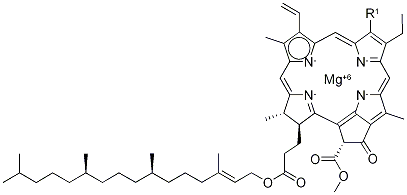
- 1406-65-1
- C54H69MgN4O5R+2
- 878.45446
- All (9)
- China (0)
- (9)
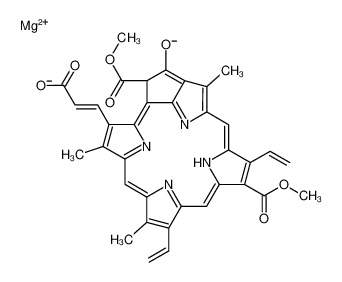
- 111308-93-1
- C36H28MgN4O7
- 652.93512
- All (0)
- China (0)
- (0)
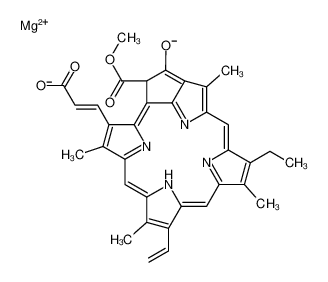
- 18901-56-9
- C35H30MgN4O5
- 610.94100
- All (0)
- China (0)
- (0)
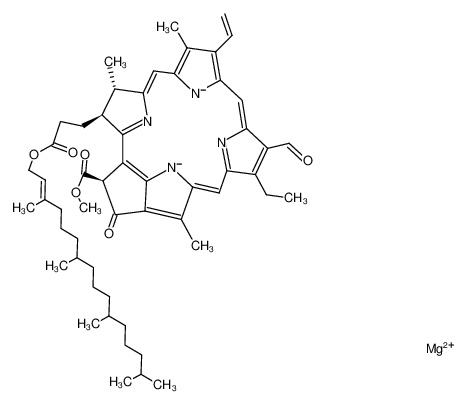
- 22309-14-4
- C55H70MgN4O6
- 907.47200
- All (0)
- China (0)
- (0)
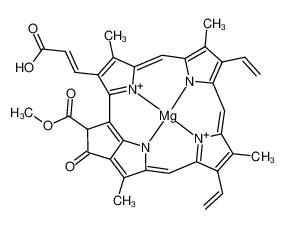
- 27736-03-4
- C35H28MgN4O5
- 608.92600
- All (0)
- China (0)
- (0)
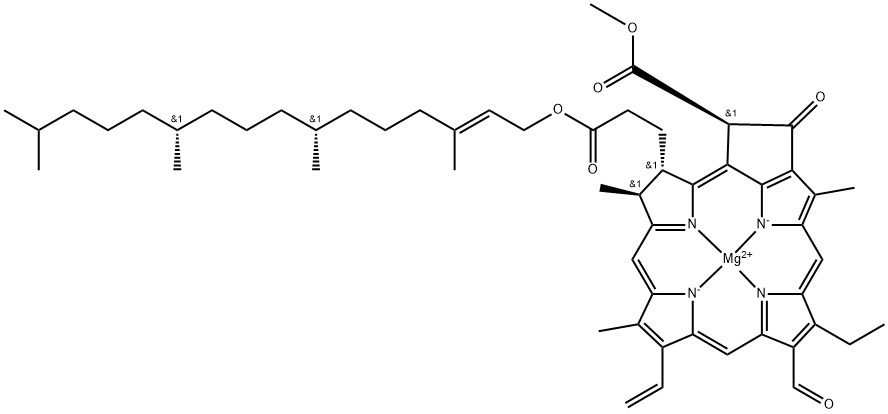
- 519-62-0
- C55H70MgN4O6
- 907.49
- All (0)
- China (0)
- (0)
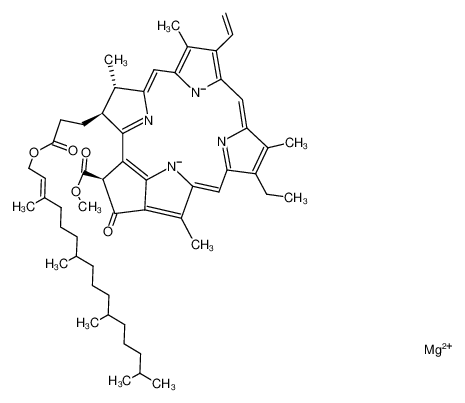
- 22309-13-3
- C55H72MgN4O5
- 893.48900
- All (0)
- China (0)
- (0)
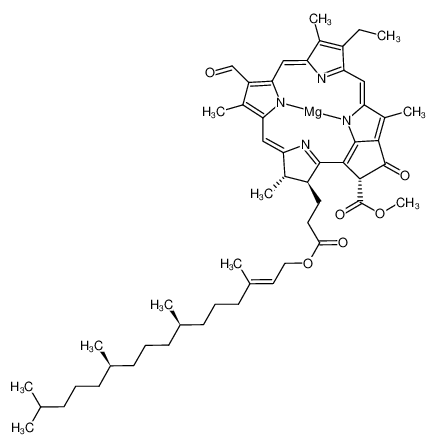
- 519-63-1
- C54H70MgN4O6
- 895.46200
- All (0)
- China (0)
- (0)
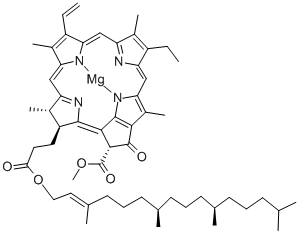
- 479-61-8
- C55H72MgN4O5
- 893.49
- All (8)
- China (6)
- (8)
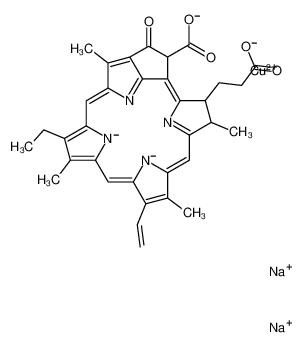
- 26061-35-8
- C34H30CuN4Na2O5
- 684.15100
- All (0)
- China (0)
- (0)
Related Products More >

- CNY Request For Quotation
- CNY Request For Quotation
- CNY Request For Quotation
- 479-61-8
- Request For Quotation
- 25kg/ea
- 479-61-8
- Request For Quotation
- 1Kg
- 479-61-8
- Request For Quotation
- 100g; 1kg; 25g
- 479-61-8
- Request For Quotation
- 1KG
- 479-61-8
- Request For Quotation
- Bottle,barrel,cargo,container,etc.


If you want, I can also explain a few real examples of these unusual plants that survive without typical CO2. Do you want me to do that?
Another intriguing case involves parasitic plants like Rafflesia or Hydnora, which lack chlorophyll and thus cannot perform photosynthesis. These species obtain nutrients by parasitizing other plants, effectively bypassing the need for CO₂ fixation. Their survival hinges on stealing organic compounds from hosts, a strategy that diverges radically from typical plant metabolism. Yet, even these parasites indirectly depend on CO₂, as their hosts rely on photosynthesis.
The idea of plants entirely free from CO₂ dependence remains speculative, as no known photosynthetic organism completely excludes carbon fixation. However, studies of extremophiles and alternative energy pathways continue to expand our understanding of life’s adaptability. For example, certain algae can temporarily switch to mixotrophy, combining photosynthesis with organic carbon absorption under low-CO₂ conditions. These adaptations highlight the flexibility of metabolic systems but stop short of eliminating the need for CO₂ entirely.
In practical terms, the exploration of such organisms informs bioengineering efforts, such as designing crops with enhanced carbon-fixing efficiency or synthetic pathways for extreme environments. The interplay between these rare metabolic strategies and broader ecological principles underscores the complexity of life’s relationship with carbon.
Distinguishing these parasitic plants from other autotrophic or even partially heterotrophic species is crucial. Most plants, even those with some heterotrophic traits like mycoheterotrophic plants that obtain nutrients from fungi, still retain some level of photosynthesis and thus require CO₂ to varying degrees. True non-CO₂-dependent plants, by contrast, have completely lost photosynthetic capabilities, a trait that manifests in the absence of chlorophyll and the associated photosynthetic apparatus. This loss is not a random occurrence but a result of long-term evolutionary pressure, where the energy and resource savings from discarding photosynthesis outweigh the benefits of self-sufficiency, especially in environments where suitable hosts are abundant.
A common misconception is that any plant that does not appear green must not need CO₂, but this is not universally true. Some non-green plants, such as certain varieties of coleus or purple-leafed shrubs, still contain chlorophyll in their leaves (though masked by other pigments like anthocyanins) and continue to perform photosynthesis, requiring CO₂ as usual. Only when a plant has entirely lost the genetic machinery for photosynthesis, as seen in obligate parasites, does it truly become independent of CO₂. This distinction highlights the importance of metabolic pathways rather than visual traits in determining a plant’s reliance on this gas.
Another angle to consider is the role of CO₂ in non-photosynthetic processes. Even in plants that do not photosynthesize, CO₂ can play a role in regulating stomatal function or intracellular pH, but these are secondary effects. For obligate parasites, the absence of photosynthesis removes the primary driver for CO₂ uptake, and their physiological systems have adapted to function without the need to acquire or utilize this molecule in any essential capacity. Their survival is instead tightly linked to the efficiency of their host exploitation, with CO₂ levels in the environment having no direct impact on their growth or reproduction. This specialization allows them to thrive in ecological niches where photosynthetic plants might struggle, showcasing the diversity of life strategies in the plant kingdom.
However, there exist certain exceptional organisms that challenge this conventional understanding. Some parasitic or mycoheterotrophic plants obtain nutrients not through CO2 fixation but by drawing organic compounds directly from other plants or fungi. These plants may lack chlorophyll entirely or have it in reduced quantities, making them largely independent of atmospheric carbon dioxide. In ecological terms, this allows them to inhabit niches where light or CO2 is limited, such as dense forest understories or shaded soil environments. Their physiology is specialized, often involving intricate symbiotic relationships with fungi that act as intermediaries for nutrient transfer.
The implications of these adaptations extend beyond biology into practical applications. For instance, understanding alternative nutrient acquisition mechanisms can inform sustainable agriculture, where plant resilience in low-light or low-CO2 conditions might be desirable. Industrial biotechnology could also explore these mechanisms for designing systems that produce biomass without relying heavily on carbon inputs from the atmosphere. On a broader scale, appreciating the diversity of plant metabolic strategies highlights the flexibility of life forms in responding to environmental constraints, offering insights relevant to climate adaptation, conservation strategies, and ecosystem management.