


 Home
Home
Many dog owners wonder if vitamin E is safe for their pets. Is it something dogs actually need in their diet? Can giving vitamin E supplements help with their health or skin problems? Are there risks involved if dogs get too much vitamin E? How does vitamin E work inside a dog’s body, and is it different from how humans use it? Basically, is vitamin E good or bad for dogs, and what should pet owners keep in mind before adding it to their dog’s food or supplements?
Can Dogs Have Vitamin E? What You Should Know
Related Encyclopedia
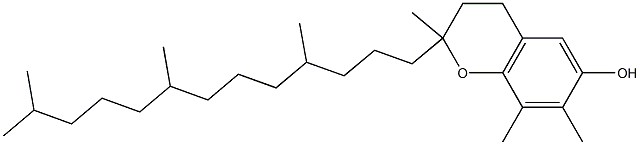
- 1406-66-2
- C28H48O2
- 416.67952
- All (0)
- China (0)
- (0)
- 1406-18-4
- C29H50O2
- 430.71
- All (0)
- China (0)
- (0)
![α-Tocopherol-[D6] (Vitamin E-[D6])](https://chemcloud-1304660855.cos.ap-shanghai.myqcloud.com/compound/202502120400270246.gif?imageMogr2/format/webp)
- 113892-08-3
- C29H50O2
- 430.72
- All (0)
- China (0)
- (0)
- 67629-40-7
- C30H49ClO3
- 493.16100
- All (38)
- China (12)
- (38)

- 59-02-9
- C29H50O2
- 430.71
- All (38)
- China (12)
- (38)

- 79434-83-6
- C29H50O2
- 430.70600
- All (38)
- China (12)
- (38)

- 2074-53-5
- C29H50O2
- 430.71
- All (38)
- China (12)
- (38)
- 142386-74-1
- C38H67N2O3P
- 630.92400
- All (38)
- China (12)
- (38)

- 83376-94-7
- C29H49O2
- 429.69800
- All (0)
- China (0)
- (0)
- 1261156-27-7
- C30H52O4S
- 508.79600
- All (0)
- China (0)
- (0)
Related Products More >

- CNY Request For Quotation
- CNY Request For Quotation
- CNY Request For Quotation
- 2074-53-5
- CNY 30.0000
- 25kg
- 30999-06-5
- Request For Quotation
- 50kg
- 30999-06-5
- Request For Quotation
- 1kg
- 991-84-4
- Request For Quotation
- 991-84-4
- Request For Quotation


But here’s the deal—too much vitamin E isn’t good. Giving your dog way more than they need might cause problems, so it’s best to check with a vet before adding supplements. Usually, dogs get enough vitamin E from a balanced diet, so extra isn’t always needed. If your dog has certain health issues, though, vitamin E might help. Just don’t guess—ask a professional first!
The physiological importance of vitamin E in dogs stems from its function as a chain-breaking antioxidant. During aerobic metabolism, reactive oxygen species (ROS) such as superoxide anions and hydroxyl radicals are generated, which can damage cellular membranes by peroxidizing polyunsaturated fatty acids (PUFAs). Vitamin E donates a hydrogen atom from its chromanol ring to neutralize these radicals, forming a stable tocopheryl radical that is subsequently reduced by other antioxidants like vitamin C or glutathione. This process protects erythrocytes, skeletal muscle, and neural tissues from oxidative damage, which is especially vital for active or geriatric dogs experiencing heightened metabolic stress.
A common misconception is that all antioxidants are interchangeable in canine nutrition. While vitamins C and E both combat oxidation, their mechanisms differ: vitamin C is water-soluble and neutralizes aqueous radicals, whereas vitamin E operates in lipid membranes. Synthetic vitamin E supplements, often labeled as dl-alpha-tocopheryl acetate, contain a mixture of stereoisomers, only one of which (d-alpha-tocopherol) is biologically active. In contrast, natural vitamin E from sources like wheat germ oil or fish contains the full spectrum of tocopherols, offering broader antioxidant coverage. Over-supplementation, however, can disrupt fat absorption by competing with other fat-soluble vitamins (A, D, K), leading to deficiencies despite adequate dietary intake of those nutrients.
Another area of confusion involves the relationship between vitamin E and selenium. Selenium, a trace mineral, functions as a cofactor for glutathione peroxidase, an enzyme that converts hydrogen peroxide into water. While both vitamin E and selenium reduce oxidative stress, they act at different stages: vitamin E intercepts lipid peroxyl radicals in membranes, while selenium detoxifies peroxides in the aqueous cytoplasm. Their synergistic role explains why commercial dog foods often fortify diets with both nutrients, though excessive selenium can cause toxicity, manifesting as hair loss, nail deformities, or neurological signs.
In veterinary practice, vitamin E deficiency is rare in well-formulated commercial diets but may occur in homemade or raw diets lacking organ meats or plant oils. Clinical signs include muscular dystrophy, reproductive failure, or impaired immune response, as oxidative stress compromises lymphocyte function. Conversely, hypervitaminosis E is uncommon but can theoretically enhance the anticoagulant effects of warfarin, though this is more relevant in humans. For most dogs, adhering to AAFCO guidelines—which recommend 50 IU of vitamin E per kilogram of dry matter for adult maintenance—ensures sufficient intake without risking imbalance.
The engineering of vitamin E supplements for dogs involves stabilizing the compound against oxidation, often through esterification (e.g., tocopheryl acetate). This modification protects the active chromanol ring during storage and digestion, allowing enzymatic cleavage in the small intestine to release free tocopherol for absorption. Microencapsulation techniques further enhance bioavailability by shielding the vitamin from light and moisture, addressing challenges in pelleted or extruded kibble formulations. These advancements underscore the intersection of chemistry, nutrition, and food science in optimizing canine health outcomes through targeted supplementation.
A balanced canine diet typically includes sufficient vitamin E, often from sources like vegetable oils, nuts, seeds, and leafy greens. For example, commercial dog foods formulated to meet AAFCO standards contain levels tailored to a dog’s needs, ensuring they get enough without excess. However, certain conditions, such as chronic diseases or diets high in polyunsaturated fats, can increase a dog’s requirement for vitamin E, as these fats are more prone to oxidation and need additional antioxidants to counteract damage.
Giving dogs extra vitamin E should be done cautiously. While deficiencies are rare, they can lead to issues like muscle weakness, vision problems, or skin disorders. On the other hand, excessive intake over time may interfere with blood clotting or cause digestive upset. For instance, a dog with a skin condition might benefit from a vet-recommended supplement, but giving more than advised could do more harm than good. Always consult a veterinarian before adding supplements, as they can assess individual needs based on factors like age, health status, and diet.
In practical terms, observing a dog’s coat and overall vitality can offer clues about their vitamin E status. A shiny coat and active demeanor often indicate adequate levels, while a dull coat or frequent infections might suggest a deficiency. By ensuring their diet includes appropriate sources and avoiding unnecessary supplements, owners can help their dogs maintain optimal levels of this essential nutrient.
From a physiological standpoint, vitamin E contributes to immune modulation, skin health, and overall cellular function in dogs. It supports the immune system by enhancing lymphocyte proliferation and activity, which aids the body’s defense against infections and inflammatory processes. Furthermore, vitamin E influences skin barrier function and wound healing by mitigating oxidative stress that can exacerbate dermatological conditions. This makes it a component often considered in veterinary dermatology for dogs with atopic dermatitis or other inflammatory skin disorders. On the biochemical level, vitamin E participates in maintaining the balance between pro-oxidants and antioxidants, thereby reducing chronic oxidative damage associated with aging and certain diseases.
In practical terms, vitamin E is incorporated into commercial canine diets and supplements, recognizing its importance in both preventive health and therapeutic contexts. Its inclusion in dog food formulations is aimed at fulfilling nutritional requirements while also leveraging its preservative qualities to enhance product stability by preventing lipid peroxidation. However, the dosage and bioavailability of vitamin E can vary depending on the dietary matrix, absorption efficiency, and the presence of other nutrients such as selenium, which acts synergistically in antioxidant defense systems. Excessive supplementation can lead to hypervitaminosis E, which, although rare, might interfere with the absorption of other fat-soluble vitamins like vitamin K and cause coagulopathy.
Beyond veterinary nutrition, vitamin E’s role extends to broader interdisciplinary domains including biochemistry, immunology, and food science. Understanding its mechanistic pathways sheds light on the molecular interactions within canine physiology and guides the development of targeted nutritional strategies. Additionally, vitamin E’s antioxidative properties are utilized industrially to preserve fats and oils in pet food, illustrating its multifaceted significance. The ongoing exploration of its biological roles continues to influence clinical practices and nutritional guidelines for dogs, emphasizing a balanced approach to supplementation tailored to individual health needs.