


 Home
Home
I've heard that some essential oils can help with skin problems like dermatitis, but I'm not sure which ones are actually effective or safe to use. Are there specific essential oils known to soothe irritated skin or reduce redness and itching? How do these oils work, and can anyone use them easily at home? What should I keep in mind when trying essential oils for dermatitis to avoid making things worse? Basically, what essential oils are good for dermatitis, and how should they be used?
What Essential Oils Are Good for Dermatitis and How Do They Help?
Related Encyclopedia
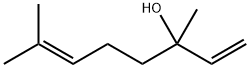
- 78-70-6
- C10H18O
- 154.25
- All (21)
- China (1)
- (21)
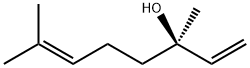
- 126-91-0
- C10H18O
- 154.25
- All (5)
- China (2)
- (5)
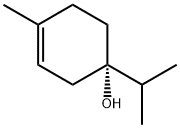
- 2438-10-0
- C10H18O
- 154.25
- All (0)
- China (0)
- (0)
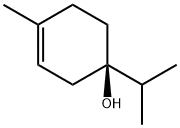
- 20126-76-5
- C10H18O
- 154.25
- All (0)
- China (0)
- (0)
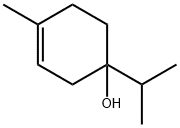
- 562-74-3
- C10H18O
- 154.25
- All (4)
- China (4)
- (4)
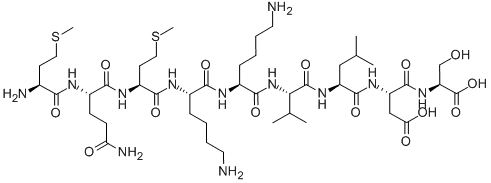
- 118850-71-8
- C45H82N12O14S2
- 1079.33
- All (0)
- China (0)
- (0)
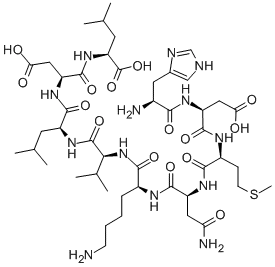
- 118850-72-9
- C46H77N13O15S
- 1084.25
- All (2)
- China (0)
- (2)
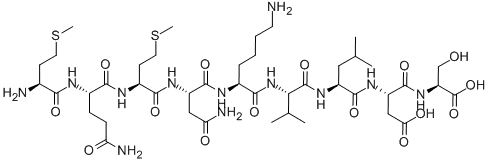
- 118850-73-0
- C43H76N12O15S2
- 1065.26
- All (2)
- China (1)
- (2)
- 104188-13-8
- C9H16O2
- 156.22200
- All (0)
- China (0)
- (0)
- 10339-55-6
- C11H20O
- 168.28
- All (2)
- China (2)
- (2)
Related Products More >

- CNY Request For Quotation
- CNY Request For Quotation
- CNY Request For Quotation
- CNY Request For Quotation
- 97-53-0
- Request For Quotation
- 8024-35-9
- Request For Quotation
- 8016-96-4
- Request For Quotation
- 8016-38-4
- Request For Quotation
- 10ml 100ml 25kg as customer need


You don’t want to put these oils directly on your skin without mixing them with a carrier oil like coconut or jojoba oil, since essential oils are very strong and can cause more irritation if used alone. It’s also smart to do a small patch test first to see how your skin reacts. People often add a few drops of these oils to lotions or creams for easier use. Just remember, while essential oils can help, they’re not a cure-all, and if your dermatitis is serious, it’s best to check with a doctor before trying new treatments.
On a physiological level, these oils may influence the skin’s immune response and barrier function. Essential oils can penetrate the epidermal layer, affecting cellular signaling pathways that regulate inflammation and promote skin repair. The volatility and lipophilic nature of essential oils allow them to reach deeper skin layers, enhancing their efficacy. However, their chemical complexity also means that individual components may act synergistically or antagonistically, which can affect overall outcomes. This complexity is important when considering formulations for topical application, where dilution and combination with carrier oils are critical to minimize skin irritation while maximizing therapeutic effects.
From an interdisciplinary viewpoint, the application of essential oils in dermatology bridges traditional herbal medicine with modern pharmacology and cosmetic science. In daily life, essential oils are incorporated into creams, lotions, and ointments marketed for skin health. Industrially, extraction methods such as steam distillation and cold pressing are optimized to preserve active constituents, ensuring consistent quality for medical and cosmetic uses. The use of essential oils also aligns with growing consumer interest in natural and holistic approaches to skin care, presenting both opportunities and challenges in regulatory and safety assessments.
In medical contexts, essential oils are considered adjunctive treatments rather than replacements for conventional therapies. Their role in mitigating mild to moderate dermatitis symptoms is supported by their pharmacological properties, but careful attention to dosage, purity, and individual sensitivity is necessary. Overall, essential oils provide a multifaceted approach to managing dermatitis, combining biochemical activity with practical applications that span personal care, industrial production, and clinical usage. This broad significance underscores the value of continued research and cautious integration into therapeutic strategies.
Tea tree oil, known for its terpinen-4-ol content, exhibits strong antimicrobial activity, making it useful for dermatitis complicated by bacterial or fungal overgrowth. Its ability to reduce microbial load can prevent secondary infections that worsen redness and oozing, particularly in cases of atopic dermatitis where the skin barrier is compromised. However, it should be used sparingly—diluted to 1-2%—as some individuals may develop sensitivity.
Chamomile oil, especially Roman chamomile, contains bisabolol, which targets inflammatory pathways by reducing the production of histamines, the compounds responsible for itching and swelling in allergic dermatitis. When blended with a gentle carrier like almond oil, it can soothe dry, flaky patches, providing relief without harsh chemicals. Always perform a patch test before widespread use, as even natural oils can trigger reactions in sensitive skin.
Lavender oil (Lavandula angustifolia) is frequently recommended due to its high linalool and linalyl acetate content, which exhibit anti-inflammatory properties by inhibiting cyclooxygenase-2 (COX-2) and lipoxygenase (LOX) enzymes involved in prostaglandin synthesis. Unlike corticosteroids, which suppress immune responses broadly, lavender’s mechanism targets specific inflammatory mediators, reducing erythema and pruritus without systemic side effects. However, its efficacy is dose-dependent; excessive use may paradoxically irritate sensitive skin due to phenolic compounds like eucalyptol, necessitating dilution to 1–2% in carrier oils like jojoba or coconut.
Tea tree oil (Melaleuca alternifolia) contains terpinen-4-ol, a monoterpene that disrupts microbial cell membranes, making it effective against Staphylococcus aureus colonization, a common complication in atopic dermatitis. This antimicrobial action differs from antibiotics, which target bacterial ribosomes or DNA, as terpinen-4-ol physically lyses cells, reducing resistance risk. Yet, tea tree oil’s potency requires careful handling: concentrations above 5% can cause contact dermatitis via oxidative metabolites like ascaridole, underscoring the need for patch testing before topical application.
Chamomile oil (Matricaria recutita) derives its anti-inflammatory effects from α-bisabolol and chamazulene, which stabilize mast cells and inhibit histamine release, addressing both immediate and late-phase allergic responses. Unlike antihistamines, which block H1 receptors systemically, chamomile’s action is localized, minimizing drowsiness and dryness. Its azulene content, however, is unstable and degrades under light exposure, necessitating storage in amber bottles and fresh preparation to maintain efficacy.
A common misconception is that all-natural essential oils are inherently safe for dermatitis. In reality, their complex mixtures include allergens like limonene or geraniol, which can exacerbate symptoms in sensitized individuals. For instance, citrus oils (e.g., bergamot, lemon) contain furanocoumarins that induce phototoxicity, a reaction unrelated to their anti-inflammatory properties but critical to avoid in sun-exposed areas. Proper identification of oil constituents via gas chromatography-mass spectrometry (GC-MS) and adherence to dermatological guidelines—such as the International Fragrance Association’s (IFRA) safety standards—are essential to mitigate risks.
In engineering terms, essential oils’ volatility and hydrophobicity influence their delivery systems. Nanoemulsions or liposomal encapsulation can enhance skin penetration and controlled release, addressing the challenge of maintaining therapeutic concentrations without irritation. This contrasts with traditional creams, where oils may separate or oxidize, reducing stability. By tailoring formulations to balance bioavailability and tolerance, essential oils can serve as adjuncts to conventional dermatitis therapies, provided their chemical profiles and patient-specific sensitivities are rigorously evaluated.