


 Home
Home
I’ve been wondering, what essential oil keep spiders away effectively? Are there certain oils that work better than others? How do people usually use these oils to keep spiders out of their homes? Can these oils be used safely around kids and pets? Also, do essential oils only mask spider scent or actually repel them? What’s the best way to apply or diffuse these oils so they last longer? Is it true some oils might attract spiders instead? I’m really curious about natural spider repellents — any advice or tips?
What Essential Oil Keep Spiders Away? Natural Ways to Repel Spiders Using Essential Oils
Related Encyclopedia
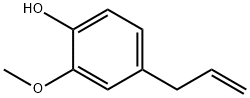
- 97-53-0
- C10H12O2
- 164.2
- All (44)
- China (12)
- (44)
- 9003-74-1
- C10H18
- 0
- All (7)
- China (4)
- (7)
- 0.00000
- All (7)
- China (4)
- (7)
- 1375952-47-8
- C12H16O6
- 256.25200
- All (0)
- China (0)
- (0)
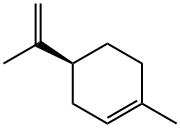
- 5989-54-8
- C10H16
- 136.23
- All (0)
- China (0)
- (0)
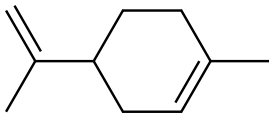
- 138-86-3
- C10H16
- 136.23
- All (0)
- China (0)
- (0)
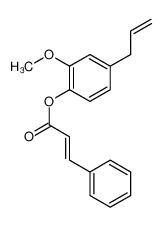
- 532-08-1
- C19H18O3
- 294.34400
- All (0)
- China (0)
- (0)
- 28664-27-9
- C12H11F3O3
- 260.20900
- All (0)
- China (0)
- (0)
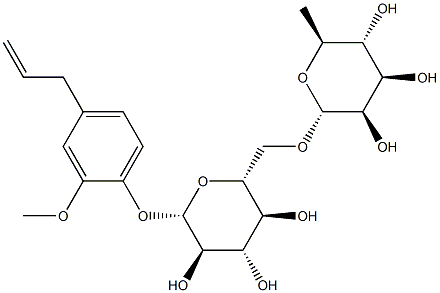
- 138772-01-7
- C22H32O11
- 472.48
- All (0)
- China (0)
- (0)
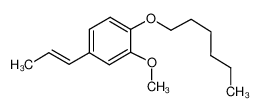
- 10519-37-6
- C16H24O2
- 248.36100
- All (0)
- China (0)
- (0)
Related Products More >

- CNY Request For Quotation
- CNY Request For Quotation
- CNY Request For Quotation
- CNY Request For Quotation
- CNY Request For Quotation
- CNY Request For Quotation
- 9003-74-1
- Request For Quotation
- 25kg
- 9003-74-1
- Request For Quotation
- 1ton


You don’t need to worry much about these oils being dangerous if you use them properly, but it’s good to keep sprays out of reach of small kids and pets just to be safe. Also, the smell fades after a while, so you might need to reapply every week or so. Some folks like to add a bit of vinegar to the mix for extra effect. Overall, essential oils work by confusing or irritating spiders, making them want to stay away, rather than killing them. It’s a gentle and eco-friendly way to handle spiders around your home.
Peppermint oil stands out for its high concentration of menthol, a compound that spiders find particularly irritating. When diluted and sprayed along baseboards, window sills, or entry points, its sharp scent creates a barrier that spiders avoid crossing. This works not just by masking attractants but by directly triggering aversive responses, as the menthol interferes with their ability to process environmental cues.
Tea tree oil, rich in terpinen-4-ol, functions similarly by targeting the spiders' respiratory systems. When applied in areas where spiders nest, such as dark corners or under furniture, its strong odor disrupts their ability to regulate oxygen intake, encouraging them to relocate. Unlike synthetic repellents, it leaves a subtle,持续的 scent that remains effective without posing risks to humans or pets when used in proper dilutions.
Citrus oils, including orange and lemon, contain limonene, a compound that breaks down the waxy layer on spiders' exoskeletons. This not only causes physical discomfort but also makes them more vulnerable to dehydration. Wiping surfaces with a citrus oil solution not only repels spiders but also removes traces of their pheromones, reducing the likelihood of repeated infestations in the same area.
Eucalyptus oil, with its high eucalyptol content, creates a hostile environment by altering the pH balance of surfaces spiders frequent. When mixed with water and applied to cracks or crevices, it leaves a residue that spiders detect through their leg sensors, signaling danger and prompting them to seek safer, untreated spaces. This method is especially useful in outdoor areas like gardens or porches, where spiders often build webs.
The chemical structure of menthol, a cyclic terpene alcohol, is characterized by its three - dimensional arrangement of atoms, which includes a hydroxyl group (-OH) and a methyl group (-CH3) attached to a cyclohexane ring. This specific configuration enables menthol to interact with the sensory receptors on spiders' legs and bodies. Spiders rely heavily on their chemosensory system to navigate their surroundings, detect prey, and avoid threats. When exposed to menthol, the receptors are overstimulated, causing confusion and discomfort in the spiders, ultimately leading them to flee the area.
Menthone, another key component of peppermint oil, is a ketone with a similar cyclic structure but with a carbonyl group (C=O) instead of a hydroxyl group. The presence of the carbonyl group in menthone affects its reactivity and interaction with biological systems. It can disrupt the normal physiological processes of spiders, such as their respiratory and nervous systems, by interfering with the transmission of signals between cells. This disruption further contributes to the repellent effect of peppermint oil.
In comparison to other essential oils, such as lavender or tea tree oil, peppermint oil has a more pronounced and immediate repellent effect on spiders. Lavender oil contains linalool and linalyl acetate, which have a calming effect on humans but do not have the same strong irritant properties on spiders as menthol and menthone. Tea tree oil, rich in terpinen - 4 - ol, has antimicrobial and antifungal properties but is less effective in repelling spiders due to its different chemical composition and mode of action.
A common misunderstanding is that all essential oils have the same repellent effect on spiders. This is not the case, as the effectiveness depends on the specific chemical compounds present in each oil and how they interact with the spiders' sensory and physiological systems. Additionally, some people may believe that simply placing a few drops of essential oil in a corner will completely eliminate spiders from their homes. However, for optimal results, it's necessary to dilute the essential oil with a carrier oil, such as coconut or jojoba oil, and apply it to areas where spiders are likely to enter, such as windowsills, door frames, and cracks in the walls. This ensures a more sustained and widespread repellent effect. Overall, understanding the chemical basis of essential oils' repellent properties is essential for their effective use in spider control.
From a physiological perspective, spiders rely heavily on chemoreception for navigation and hunting. Essential oils with strong aromatic molecules can overstimulate or confuse their sensory hairs and receptors, leading to avoidance behavior. This mode of action differs significantly from insecticides that target the nervous system directly; instead, essential oils create an unfavorable environment by exploiting the spider’s sensory vulnerabilities. Physically, the volatility of these oils allows them to disperse in air, covering spaces without the need for direct contact, which is advantageous for non-toxic, broad-area application.
In practical terms, essential oils such as peppermint, tea tree, eucalyptus, and citronella have been integrated into household pest management practices. These oils can be diluted and sprayed around entry points or areas prone to spider activity. Beyond residential use, some industrial applications have explored essential oil-based formulations as environmentally friendly alternatives to synthetic chemicals, aiming to reduce ecological and health risks. The use of natural repellents aligns with sustainable pest management approaches, emphasizing reduced chemical residues and lower toxicity.
Chemically, compounds like limonene and eugenol found in certain essential oils exhibit repellent properties through their interaction with arachnid chemoreceptors. These components also have antimicrobial effects, which can be beneficial in reducing the microbial load in environments frequented by spiders, thus indirectly affecting their habitat suitability. Cross-disciplinary research, combining chemistry, entomology, and environmental science, supports the optimization of essential oil blends for enhanced efficacy and safety.
Understanding the broader implications, essential oils serve not only as repellents but also reflect a shift towards biocompatible and integrated pest management strategies. Their role intersects with public health by minimizing exposure to synthetic pesticides and with ecology by preserving beneficial insect populations. The complexity of essential oils’ chemical profiles allows for customizable applications tailored to specific environments, reflecting their versatility and growing importance in both domestic and industrial contexts.