


 Home
Home
Many people wonder if it’s okay to take vitamin D and vitamin E supplements at the same time. Both are important for health but work differently in the body. Some worry about whether taking them together might cause side effects or reduce how well they work. Are there any risks in combining these two vitamins? How should they be taken for the best effect? Is it safe to include both in your daily routine without problems?
Can I Take Vitamin D and E Together Safely?
Related Encyclopedia
- 67629-40-7
- C30H49ClO3
- 493.16100
- All (38)
- China (12)
- (38)

- 59-02-9
- C29H50O2
- 430.71
- All (38)
- China (12)
- (38)

- 79434-83-6
- C29H50O2
- 430.70600
- All (38)
- China (12)
- (38)

- 2074-53-5
- C29H50O2
- 430.71
- All (38)
- China (12)
- (38)
- 142386-74-1
- C38H67N2O3P
- 630.92400
- All (38)
- China (12)
- (38)

- 83376-94-7
- C29H49O2
- 429.69800
- All (0)
- China (0)
- (0)
- 1261156-27-7
- C30H52O4S
- 508.79600
- All (0)
- China (0)
- (0)
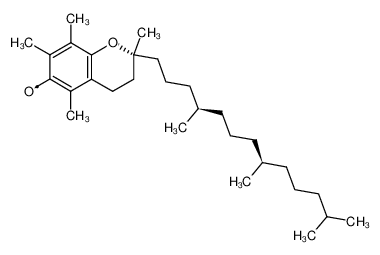
- 23531-69-3
- C29H49O2
- 429.69800
- All (0)
- China (0)
- (0)
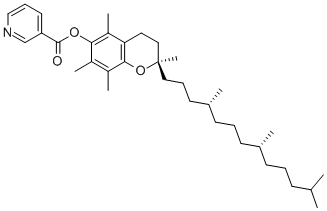
- 16676-75-8
- C35H53NO3
- 535.8
- All (4)
- China (0)
- (4)
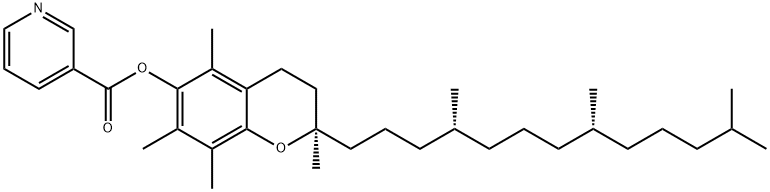
- 43119-47-7
- C35H53NO3
- 535.8
- All (4)
- China (0)
- (4)
Related Products More >

- CNY Request For Quotation
- CNY Request For Quotation
- CNY Request For Quotation
- CNY Request For Quotation
- CNY Request For Quotation
- CNY Request For Quotation
- 2074-53-5
- CNY 30.0000
- 25kg
- 30999-06-5
- Request For Quotation
- 50kg


It’s pretty common for people to include both in their supplements because they each do different jobs. Just make sure you don’t take too much of either—especially vitamin E, because high doses might cause some issues like bleeding problems. If you’re on any medication or have a health condition, it’s a smart move to check with your doctor first.
But for most folks, popping both vitamins in one go is totally fine and can be part of a healthy routine. Just keep an eye on the dosage and try to get some natural sources from your diet too!
When taken together, both vitamins rely on dietary fats for absorption, so consuming them with a meal that contains healthy fats can enhance their uptake. For instance, taking a vitamin D supplement with a handful of almonds (a good source of vitamin E) and a glass of whole milk provides the necessary fats to help both vitamins be absorbed effectively. This synergy in absorption does not compromise their individual roles; instead, it allows them to work independently to support overall health.
Vitamin D’s role in immune function and vitamin E’s antioxidant properties can complement each other in scenarios like combating oxidative stress from environmental factors. Someone spending time outdoors in the sun to boost vitamin D levels might also benefit from vitamin E to counteract the free radical damage that can occur from sun exposure, making their combined intake a practical choice for maintaining balanced wellness.
There is no evidence to suggest that moderate, recommended doses of these vitamins interact negatively. As long as intake stays within established guidelines—typically 600-800 IU for vitamin D and 15 mg for vitamin E for adults—taking them together remains safe and can be part of a well-rounded supplement routine. This approach ensures that the body receives the diverse support it needs from these essential nutrients without unnecessary risks.
From a biochemical perspective, both vitamins are absorbed through the intestinal lymphatic system alongside dietary fats. Their fat solubility means they share similar absorption pathways but do not inherently interfere with each other’s uptake when consumed together. Vitamin D and E do not exhibit significant competitive inhibition at the absorption level; however, excessive intake of one fat-soluble vitamin can occasionally disrupt the metabolism or storage of another, due to shared transport proteins or storage in adipose tissue and the liver. This interaction is more relevant in pharmacological dosages rather than typical dietary supplementation.
In practical applications, combined supplementation of vitamins D and E is common in clinical nutrition and dietary regimens aimed at supporting bone health, immune function, and cellular protection. Vitamin D’s role extends beyond bone metabolism to modulate immune responses, potentially reducing susceptibility to infections and autoimmune conditions, while vitamin E’s antioxidative effect contributes to reducing chronic inflammation and supporting cardiovascular health. These complementary functions make their concurrent intake relevant in both preventive healthcare and therapeutic contexts.
The implications of co-administration also reach industrial and medical fields, where multivitamin formulations are designed to optimize bioavailability and efficacy. Careful consideration is given to dose ratios to avoid hypervitaminosis, particularly since vitamin E at high doses may increase bleeding risk by interfering with vitamin K-dependent clotting factors. Hence, dosage guidelines reflect a balance to maximize benefits while minimizing adverse effects.
Thinking about the broader significance, the synergistic or at least non-antagonistic relationship between these vitamins emphasizes the complexity of nutrient interactions in human metabolism. Understanding their individual and combined pharmacokinetics and dynamics informs dietary recommendations, supplement formulations, and clinical interventions, ensuring that nutrient intake supports overall health without unintended consequences.
From a chemical standpoint, vitamin D exists in several forms, including ergocalciferol (D2) and cholecalciferol (D3), with D3 being the more biologically active form in humans. Vitamin E, conversely, comprises a group of tocopherols and tocotrienols, with alpha-tocopherol being the most biologically active and commonly supplemented form. The distinct chemical structures of these vitamins dictate their unique physiological functions and interactions within the body.
When considering the simultaneous intake of vitamin D and E, it's essential to recognize that they do not compete for absorption or metabolic pathways. Vitamin D's absorption is primarily dependent on dietary fat and bile salts in the small intestine, while vitamin E's absorption is also facilitated by dietary lipids but involves different transporters and mechanisms. Therefore, from a physiological absorption standpoint, there is no inherent conflict in taking these vitamins together.
Moreover, the combined intake of vitamin D and E may offer synergistic benefits. Vitamin D's role in enhancing calcium absorption can be complemented by vitamin E's ability to protect against oxidative stress, which can otherwise impair bone health and muscle function. This is particularly relevant in populations at risk of both vitamin D deficiency and oxidative stress, such as the elderly or those with chronic diseases.
It's crucial to differentiate between the roles of these vitamins and those of other fat-soluble vitamins, such as vitamin A and K, which have distinct functions and potential interactions. For instance, excessive vitamin A intake can interfere with vitamin D's action on bone, while vitamin K is essential for the carboxylation of osteocalcin, a protein involved in bone mineralization, and works synergistically with vitamin D in bone health.
A common misunderstanding is that taking multiple fat-soluble vitamins together may lead to toxicity due to their accumulation in the body. While it's true that excessive intake of any fat-soluble vitamin can be harmful, the risk is generally low when following recommended dietary allowances (RDAs) or therapeutic doses under medical supervision. The body has mechanisms to regulate the storage and excretion of these vitamins, minimizing the likelihood of toxicity from normal dietary intake or moderate supplementation.
In conclusion, the simultaneous intake of vitamin D and E is not only safe but may also offer complementary benefits in maintaining bone health and protecting against oxidative stress. Understanding the distinct chemical structures, physiological roles, and potential interactions of these vitamins is essential for making informed decisions about their supplementation.