


 Home
Home
Is it safe or effective to use vitamin E oil as a personal lubricant? Many people wonder if vitamin E oil, known for its skin benefits, can double as a lubricant during intimacy. Could it provide smoothness without causing irritation? Are there any risks or things to keep in mind if someone chooses to try vitamin E oil as a lube alternative? What about its texture and how it feels compared to regular lubricants? Can vitamin E oil really work well in this way?
Can Vitamin E Oil Be Used As Lube? What You Should Know
Related Encyclopedia
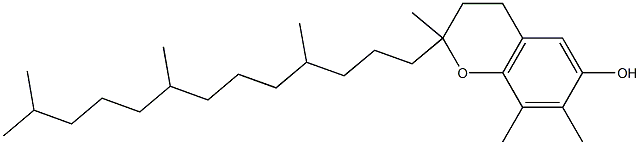
- 1406-66-2
- C28H48O2
- 416.67952
- All (0)
- China (0)
- (0)
- 1406-18-4
- C29H50O2
- 430.71
- All (0)
- China (0)
- (0)
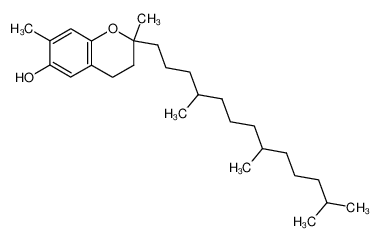
- 91-86-1
- C27H46O2
- 402.65300
- All (0)
- China (0)
- (0)
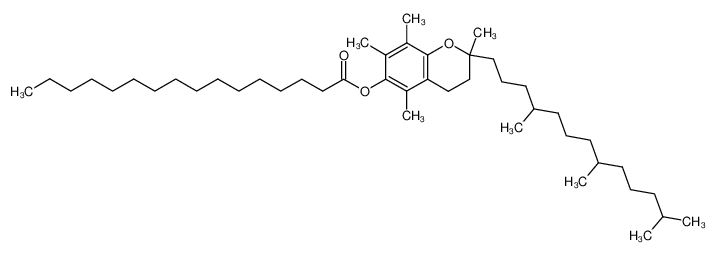
- 34562-29-3
- C45H80O3
- 669.11500
- All (0)
- China (0)
- (0)
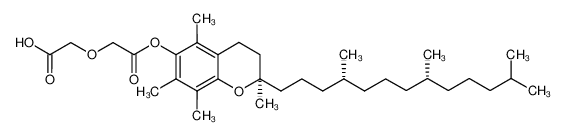
- 1031781-34-6
- C33H54O6
- 546.77800
- All (0)
- China (0)
- (0)
- 74285-85-1
- C29H50O5S
- 510.76900
- All (0)
- China (0)
- (0)
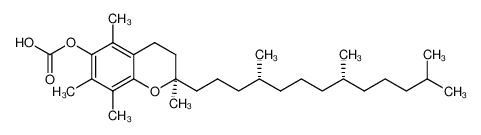
- 652162-38-4
- C30H50O4
- 474.71600
- All (0)
- China (0)
- (0)
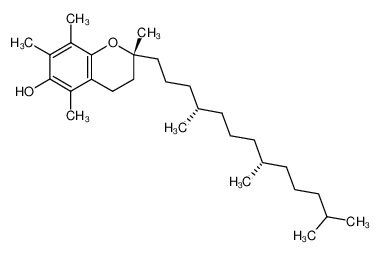
- 77171-98-3
- C29H50O2
- 430.70600
- All (0)
- China (0)
- (0)
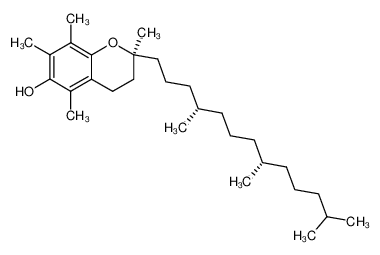
- 77171-97-2
- C29H50O2
- 430.70600
- All (0)
- China (0)
- (0)
- 86646-82-4
- C29H50O2
- 430.70600
- All (0)
- China (0)
- (0)
Related Products More >

- 9004-61-9
- Request For Quotation
- 9002-96-4
- Request For Quotation
- 7695-91-2
- Request For Quotation
- 68239-42-9
- Request For Quotation
- 62726-91-4
- Request For Quotation
- 59-02-9
- Request For Quotation
- 25kg/Cardboard Drum
- 59-02-9
- Request For Quotation
- 25kg/Package
- 59-02-9
- Request For Quotation
- 1KG/Aluminum Bottle, 20KG/Steel Drum, 190KG/Steel Drum or according to the specific requirements from customers


One thing to watch out for is that oil-based stuff like vitamin E oil can break down latex condoms, making them less safe, so if you’re using condoms, it’s better to avoid it. Also, some people might get irritated or clogged pores because vitamin E oil is pretty thick. If your skin is sensitive, that could be uncomfortable.
In short, vitamin E oil can work as a lube in a pinch, especially if you want something natural and moisturizing, but it’s not the best choice for everyone or every situation. Just be careful about how your body reacts and whether you’re using protection that could be affected.
When applied to skin, vitamin E oil interacts with the outer layer, known as the stratum corneum, by penetrating slightly and softening the keratin proteins present. This softening effect increases the skin's pliability, reducing the likelihood of irritation that can occur from excessive friction, such as during certain physical activities or intimate contact. Its hydrating nature also helps maintain moisture levels, preventing dryness that might exacerbate friction-related discomfort.
Unlike some water-based lubricants that can evaporate quickly, vitamin E oil's oily composition means it tends to persist longer on the skin's surface, providing sustained lubrication. However, this same property can make it incompatible with certain materials, such as latex condoms, where the oil can degrade the material's integrity over time, compromising its effectiveness as a barrier method. This interaction highlights the importance of considering both the lubricant's benefits and its potential limitations in specific contexts.
In practical use, individuals with sensitive skin might find vitamin E oil appealing due to its generally mild nature, as it often lacks the added fragrances or preservatives that can trigger reactions in some people. For instance, someone experiencing dryness during manual tasks involving repeated hand movements might apply a small amount to reduce chafing, leveraging its lubricating and moisturizing dual action. Such applications demonstrate how its inherent properties translate to real-world utility, albeit with careful attention to situational factors.
From a physiological perspective, vitamin E oil can provide a moisturizing and protective barrier on the skin’s surface, promoting hydration and potentially soothing minor irritations. Its emollient qualities help reduce friction, which is why some consider it for use as a lubricant during sexual activity. However, the physical and chemical characteristics of vitamin E oil present important considerations: its viscosity can cause a heavier, greasier feel compared to conventional lubricants, which are formulated to balance slipperiness with quick absorption or easy clean-up.
The oil-based nature of vitamin E oil has practical implications, especially regarding compatibility with barrier contraceptives like latex condoms. Oils can degrade latex, weakening the material and increasing the risk of breakage. This introduces a significant safety concern in sexual health contexts where condom use is essential. Moreover, from a dermatological standpoint, prolonged or frequent application may lead to pore occlusion in some individuals, especially those with oily or acne-prone skin, potentially causing irritation or folliculitis.
In daily life and medical applications, vitamin E oil is valued more for its antioxidant and skin-repairing properties rather than as a lubricant. It finds use in topical formulations to aid in skin healing, reduce scarring, and improve skin texture. The interest in its lubricating potential mainly arises from its emollient nature and natural origin, appealing to those seeking alternatives to synthetic lubricants. Industrially, vitamin E derivatives are incorporated into cosmetic and pharmaceutical products primarily for their stability-enhancing and protective functions rather than mechanical lubrication.
While vitamin E oil’s moisturizing and friction-reducing features offer theoretical grounds for use as a personal lubricant, its chemical composition and physical behavior limit its efficacy and safety in this role. The balance between its benefits in skin care and drawbacks in lubrication highlights the necessity for careful consideration depending on the intended use, user sensitivity, and interaction with other materials or protective devices.
From a biochemical perspective, the hydrophobic nature of vitamin E oil enables it to reduce friction between surfaces, a fundamental property of lubricants. Unlike water-based or silicone-based lubricants, which rely on viscosity modifiers or polymeric structures to maintain slipperiness, vitamin E’s lubricating effect is derived from its ability to form a thin, cohesive film on mucosal or epidermal tissues. This film can temporarily minimize abrasion during intimate contact, but its efficacy is limited compared to products engineered specifically for this purpose. For instance, silicone-based lubricants exhibit higher thermal stability and longer-lasting lubrication due to their inert, non-volatile polymers, whereas vitamin E oil may degrade or absorb into the skin over time, reducing its effectiveness.
Physiologically, the vaginal and rectal epithelia have distinct pH and osmolality requirements to maintain mucosal integrity. Commercial lubricants are formulated to match these parameters—typically a pH of 3.8–4.5 for vaginal use and 5.5–7.0 for rectal use—to avoid disrupting the natural microbiome or causing irritation. Vitamin E oil, in its pure form, lacks buffering agents to regulate pH and may have an osmolality higher than bodily fluids, potentially drawing water out of cells and leading to tissue dryness or micro-tears. This contrasts with hypoallergenic, isotonic lubricants designed to minimize cellular stress during application.
Another critical distinction lies in the role of additives. Personal lubricants often incorporate humectants like glycerin or hyaluronic acid to retain moisture, as well as antimicrobial agents to prevent contamination. Vitamin E oil, while possessing mild antibacterial properties due to its antioxidant activity, does not contain these specialized additives. Its use as a lubricant might therefore increase the risk of bacterial overgrowth or fungal infections, particularly in individuals with sensitive skin or compromised immune systems. Furthermore, oil-based substances can degrade latex condoms, increasing the likelihood of breakage—a safety concern not associated with water- or silicone-based alternatives.
A common misconception is that natural substances are inherently safer or more effective than synthetic ones. While vitamin E is generally well-tolerated topically, its application in sensitive areas requires caution. Allergic reactions, though rare, can occur due to impurities in unrefined oils or individual sensitivities to tocopherol derivatives. In contrast, medical-grade lubricants undergo rigorous testing to ensure biocompatibility and sterility, reducing the likelihood of adverse events.
In engineering terms, the design of personal lubricants involves optimizing rheological properties such as shear-thinning behavior and thixotropy, which allow the product to flow easily under pressure but resist dripping. Vitamin E oil’s Newtonian fluid characteristics—where viscosity remains constant regardless of shear rate—make it less adaptable to dynamic frictional forces compared to engineered lubricants. This limitation could result in uneven coverage or reduced performance during prolonged use.
To summarize, while vitamin E oil exhibits some lubricating properties due to its chemical structure, its physiological compatibility, safety profile, and engineering performance fall short of those of dedicated lubricants. Its use in this context may pose risks related to pH imbalance, osmolality, condom integrity, and microbial contamination. Individuals seeking alternatives to commercial products should consult healthcare professionals to evaluate options that align with their specific needs and anatomical considerations.