


 Home
Home
When someone inhales carbon monoxide, does their oxygen saturation (O2 sat) level drop? Can carbon monoxide poisoning cause a misleading reading on oxygen monitors? How does carbon monoxide affect the blood’s ability to carry oxygen, and does this show up on standard oxygen saturation tests? Are pulse oximeters reliable in detecting oxygen levels during carbon monoxide exposure? What should people know about O2 sat changes in such poisoning cases?
Does O2 Saturation Decrease in Carbon Monoxide Poisoning?
Related Encyclopedia
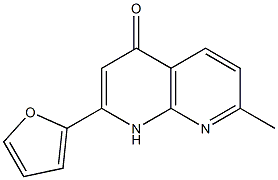
- 9008-02-0
- C13H10N2O2
- 226.2307
- All (1)
- China (0)
- (1)

- 201230-82-2
- CO
- 28.01010
- All (1)
- China (1)
- (1)
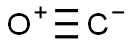
- 630-08-0
- CO
- 28.01
- All (1)
- China (1)
- (1)
- 832-42-8
- C9H11Cl2NO2S
- 268.16014
- All (0)
- China (0)
- (0)
- 143385-86-8
- CArO
- 67.95810
- All (0)
- China (0)
- (0)

- 4906-87-0
- CH2O
- 32.02570
- All (0)
- China (0)
- (0)
- 12375-04-1
- C12H8O12Os4
- 1101.07000
- All (0)
- China (0)
- (0)
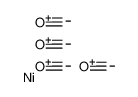
- 12612-55-4
- C4NiO4
- 170.73400
- All (0)
- China (0)
- (0)
- 35075-78-6
- CH3BO
- 42.04320
- All (0)
- China (0)
- (0)
- 158394-05-9
- CHNO4
- 91.02290
- All (0)
- China (0)
- (0)
Related Products More >

- 630-08-0
- Request For Quotation
- 1ton
- 9047-09-0
- Request For Quotation
- 9008-02-0
- Request For Quotation
- 1kg/bag;25kg/Cardboard Drum
- 9008-02-0
- Request For Quotation
- Bottle,barrel,cargo,container,etc.
- 9008-02-0
- Request For Quotation
- BAG or customized
- 630-08-0
- Request For Quotation
- 26337-35-9
- Request For Quotation
- kg
- 1641-69-6
- Request For Quotation


The confusing part is that pulse oximeters usually can’t tell the difference between oxygen and carbon monoxide on hemoglobin. So, even if your blood is actually low on oxygen, the O2 sat reading might look normal or even high because the machine thinks carbon monoxide is oxygen. This means the oxygen saturation number might not go down like you’d expect in carbon monoxide poisoning.
Because of this, doctors often need special tests to find out if someone has carbon monoxide in their blood. If you ever suspect carbon monoxide poisoning, don’t rely only on those oxygen saturation readings—they can be misleading.
The underlying mechanism involves CO’s affinity for hemoglobin, which is approximately 240 times greater than that of oxygen. When CO binds to hemoglobin, it displaces oxygen and forms COHb, reducing the blood’s oxygen-carrying capacity. Despite this, pulse oximetry fails to reflect the actual oxygen deficiency because it only measures the ratio of oxygenated to deoxygenated hemoglobin, not the functional impairment caused by CO. For example, a patient with 30% COHb may show an O2 sat of 97% on a pulse oximeter, while in reality, their tissues are severely oxygen-deprived.
In practice, this discrepancy underscores the importance of using arterial blood gas (ABG) analysis with co-oximetry to accurately assess CO poisoning. ABG testing directly measures COHb levels, providing a clear picture of the patient’s condition. A classic real-world scenario is a firefighter presenting with headache and confusion; their pulse oximetry may show 98%, but ABG reveals 25% COHb, prompting immediate treatment with 100% oxygen or hyperbaric therapy. The disconnect between O2 sat and clinical symptoms highlights the need for heightened suspicion in high-risk situations.
From a physiological and chemical standpoint, the formation of COHb reduces the amount of hemoglobin available for oxygen transport, leading to tissue hypoxia despite potentially normal or near-normal oxygen saturation readings when measured by conventional pulse oximetry. Pulse oximeters detect oxygenated and deoxygenated hemoglobin by measuring light absorption at specific wavelengths. However, they cannot distinguish between oxyhemoglobin and carboxyhemoglobin because COHb absorbs light similarly to oxyhemoglobin. As a result, oxygen saturation measured via pulse oximetry often remains falsely elevated or unchanged in CO poisoning cases, masking the true hypoxic state of the patient.
This discrepancy has profound implications across multiple fields. In emergency medicine, reliance on standard pulse oximetry can delay diagnosis and treatment of CO poisoning, necessitating more sophisticated diagnostic approaches such as co-oximetry, which can differentiate COHb from oxyhemoglobin and provide accurate measurements of blood oxygen content. Industrial and environmental monitoring also benefit from understanding these mechanisms, as CO is a common byproduct of combustion in enclosed or poorly ventilated spaces, posing risks to workers and the public.
In practical terms, awareness of the biochemical and physical basis behind oxygen saturation readings in CO poisoning informs both clinical practice and public health policy. It highlights the need for education on recognizing symptoms and employing appropriate diagnostic tools beyond standard pulse oximetry. Moreover, it underscores the limitations of commonly used devices in toxicological scenarios and drives innovation in monitoring technology that can better differentiate hemoglobin species. Understanding these complex interactions enhances patient outcomes and improves safety protocols in environments where carbon monoxide exposure is a risk.
This distinction is critical in clinical settings, where confusing O₂ sat with actual oxygen delivery can delay diagnosis and treatment. Unlike true hypoxemia, where low O₂ sat reflects insufficient oxygen binding to hemoglobin, CO poisoning impairs oxygen transport and utilization at the tissue level without altering the pulse oximetry reading. Even when a patient’s O₂ sat appears normal, the presence of COHb prevents oxygen from being released to tissues, leading to cellular hypoxia, metabolic acidosis, and potentially life-threatening organ damage. Recognizing this discrepancy helps clinicians avoid relying solely on pulse oximetry and instead use specific tests for COHb levels, such as co-oximetry, to guide appropriate interventions like 100% oxygen therapy or hyperbaric oxygen treatment.
A common misconception is assuming that a normal O₂ sat rules out CO poisoning, but this overlooks the unique mechanism of CO’s action. Unlike other toxins or conditions that reduce oxygen saturation by limiting oxygen intake or impairing hemoglobin’s ability to bind oxygen, CO acts by displacing oxygen from hemoglobin while tricking standard monitoring tools. This makes clinical suspicion—based on exposure history, symptoms like headache, dizziness, or altered mental status, and environmental clues—essential for timely identification. Failing to recognize this can lead to mismanagement, as the body’s tissues are starved of oxygen even as the oximeter suggests adequate oxygenation, highlighting the need for specialized testing in suspected cases.