


 Home
Home
I'm curious about natural ways to help with neuropathy in the feet. Can certain essential oils actually ease the symptoms like tingling, numbness, or pain? How do these oils work, and which ones are recommended? Are there any simple ways to use them safely at home? What should I look for when choosing essential oils for foot neuropathy, and do they really make a noticeable difference? Could essential oils be a good addition to my current foot care routine?
What Essential Oils Are Good for Neuropathy in the Feet?
Related Encyclopedia
- 78-70-6
- C10H18O
- 154.25
- All (21)
- China (1)
- (21)
- 126-91-0
- C10H18O
- 154.25
- All (5)
- China (2)
- (5)
- 1214906-07-6
- C10H20O
- 156.26500
- All (28)
- China (25)
- (28)

- 15356-70-4
- C10H20O
- 156.27
- All (25)
- China (10)
- (25)
- 1181819-05-5
- C10H20O
- 156.26500
- All (25)
- China (10)
- (25)
- 566916-97-0
- C17H23NO4
- 305.36900
- All (25)
- China (10)
- (25)
- 15356-60-2
- C10H20O
- 156.27
- All (6)
- China (2)
- (6)
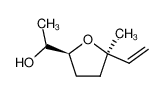
- 104188-13-8
- C9H16O2
- 156.22200
- All (0)
- China (0)
- (0)
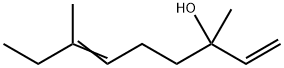
- 10339-55-6
- C11H20O
- 168.28
- All (2)
- China (2)
- (2)
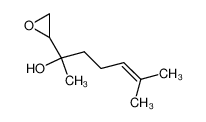
- 15249-34-0
- C10H18O2
- 170.24900
- All (6)
- China (0)
- (6)
Related Products More >

- CNY Request For Quotation
- CNY Request For Quotation
- CNY Request For Quotation
- CNY Request For Quotation
- CNY Request For Quotation
- CNY Request For Quotation
- 89-78-1
- USD 285.0000
- 25kg
- 97-53-0
- Request For Quotation


Lavender oil works through a different mechanism, influencing the nervous system to reduce stress and promote relaxation. Its compounds can modulate neurotransmitter activity, potentially lowering the perception of pain. For someone with foot neuropathy, applying diluted lavender oil before bed might ease the restlessness caused by persistent tingling, improving sleep quality without targeting the nerve damage itself.
Tea tree oil, known for its anti-inflammatory properties, can help when neuropathy is accompanied by mild skin irritation or swelling. By reducing inflammation around affected nerves, it may alleviate some of the pressure that exacerbates pain. When mixed with a carrier oil like coconut oil and massaged gently into the feet, it supports overall comfort, though it doesn’t reverse nerve impairment. These oils function as complementary tools, enhancing quality of life by managing symptoms alongside other treatments.
For example, lavender oil contains linalool and linalyl acetate, compounds known for their calming and analgesic properties. These molecules may modulate nerve excitability and reduce pain sensations by interacting with receptors in the nervous system, such as GABAergic pathways, which help regulate neuronal activity. Peppermint oil, rich in menthol, provides a cooling effect by activating TRPM8 receptors on sensory neurons, which can alleviate burning or sharp pain sensations common in neuropathy. Eucalyptus oil, containing eucalyptol, exhibits anti-inflammatory and circulation-enhancing effects that could support nerve health by improving blood flow and reducing local inflammation.
From a physiological standpoint, the topical application of these oils allows their lipophilic compounds to penetrate the skin barrier, reaching peripheral nerves and surrounding tissues. This local bioavailability enables modulation of inflammatory mediators and ion channels involved in nerve signaling. Additionally, the aromatic properties of essential oils may engage the olfactory system and limbic brain areas, potentially contributing to pain relief through central nervous system pathways.
In practical terms, essential oils are used in combination with carrier oils to ensure safe dermal application, minimizing skin irritation while enhancing absorption. Their use spans across complementary medicine and wellness practices, offering a non-pharmacological approach to symptom management in neuropathy. Beyond personal care, these oils find applications in aromatherapy, massage therapy, and holistic health, reflecting their interdisciplinary significance.
Considering the broader context, essential oils exemplify how natural products can bridge traditional remedies with modern scientific understanding. Their complex chemical profiles allow interactions at multiple biological targets, highlighting the importance of integrated approaches that combine biochemistry, physiology, and clinical insights. While essential oils are not cures for neuropathy, their capacity to alleviate symptoms aligns with an increasing emphasis on integrative care, patient-centered management, and the use of natural compounds within therapeutic regimens.
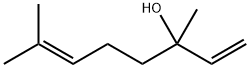
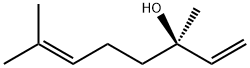
Lavender oil (Lavandula angustifolia) is a prime candidate due to its primary constituent, linalool, a monoterpene alcohol. Linalool modulates gamma-aminobutyric acid (GABA) receptors in the central nervous system, exerting anxiolytic and analgesic effects. Topically, it may reduce neuropathic pain by inhibiting transient receptor potential (TRP) channels, such as TRPV1, which are implicated in heat and pain sensation. Unlike capsaicin, which desensitizes nerves through TRPV1 agonism, linalool’s antagonistic action provides relief without initial irritation, making it preferable for sensitive neuropathic skin.
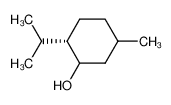
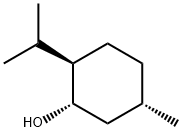
Peppermint oil (Mentha piperita) contains menthol, a cyclic terpene alcohol that activates transient receptor potential melastatin 8 (TRPM8) channels. These channels respond to cold temperatures, and their stimulation by menthol creates a cooling sensation that distracts from neuropathic pain signals. This mechanism contrasts with local anesthetics like lidocaine, which block sodium channels to prevent nerve impulse propagation. Peppermint oil’s advantage lies in its non-numbing, sensory-masking effect, though excessive application may cause paradoxical warmth or irritation due to TRPV1 co-activation.
Geranium oil (Pelargonium graveolens) owes its efficacy to citronellol and geraniol, monoterpenoids with anti-inflammatory properties. These compounds inhibit cyclooxygenase-2 (COX-2) and 5-lipoxygenase (5-LOX) enzymes, reducing prostaglandin and leukotriene synthesis—proinflammatory mediators that exacerbate nerve sensitivity in neuropathy. Unlike corticosteroids, which suppress the entire inflammatory cascade, geranium oil’s selective enzyme inhibition minimizes immunosuppressive side effects, though its potency is lower, requiring consistent application for sustained benefit.
Eucalyptus oil (Eucalyptus globulus) contains 1,8-cineole (eucalyptol), an oxide that enhances microcirculation by dilating blood vessels through endothelium-dependent vasodilation. Improved perfusion delivers oxygen and nutrients to damaged nerves, potentially slowing neuropathic progression. This contrasts with vasoconstrictors like epinephrine, which would worsen tissue ischemia. However, 1,8-cineole’s efficacy is dose-dependent; high concentrations may irritate mucous membranes, necessitating dilution in carrier oils for foot application.
A critical distinction must be made between essential oils and fixed oils (carrier oils). Essential oils are volatile, hydrophobic liquids composed of terpenes, phenols, and aldehydes, whereas carrier oils like sweet almond or coconut oil are triglyceride-rich and serve to dilute essential oils, preventing skin irritation. Misconceptions arise when users apply undiluted essential oils, leading to contact dermatitis or systemic toxicity via transdermal absorption. For neuropathy, a 2–5% dilution (10–25 drops per ounce of carrier oil) is recommended to balance efficacy and safety.
Another misunderstanding involves the expectation of immediate relief. Essential oils do not repair damaged nerves but modulate pain perception and inflammation. Their benefits accumulate over weeks of consistent use, unlike fast-acting analgesics such as opioids. Additionally, individual variability in olfactory receptor expression and skin permeability means responses differ; some may find lavender soothing, while others experience no effect. Patch testing is essential to identify adverse reactions before widespread application.