


 Home
Home
Many people wonder if it’s safe to take vitamin D and vitamin E at the same time. Since both are fat-soluble vitamins, can they interfere with each other’s absorption or cause any side effects? Are there specific benefits or risks to combining these vitamins in one daily supplement? What should someone consider before taking them together, especially if they are on other medications or have health conditions? Basically, is it okay to take vitamin D and E together without any problems?
Can I Take Vitamin D and E Together? What You Need to Know
Related Encyclopedia
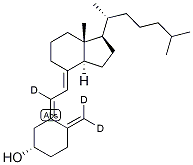
- 80666-48-4
- C27H41D3O
- 387.656145334
- All (7)
- China (2)
- (7)
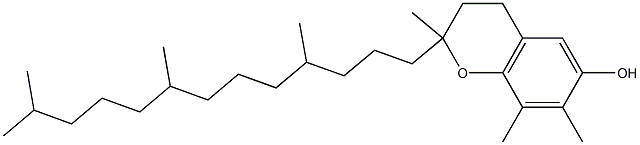
- 1406-66-2
- C28H48O2
- 416.67952
- All (0)
- China (0)
- (0)
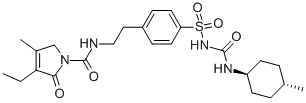
- 1406-18-4
- C29H50O2
- 430.71
- All (0)
- China (0)
- (0)
![α-Tocopherol-[D6] (Vitamin E-[D6])](https://chemcloud-1304660855.cos.ap-shanghai.myqcloud.com/compound/202502120400270246.gif?imageMogr2/format/webp)
- 113892-08-3
- C29H50O2
- 430.72
- All (0)
- China (0)
- (0)
- 67629-40-7
- C30H49ClO3
- 493.16100
- All (38)
- China (12)
- (38)

- 59-02-9
- C29H50O2
- 430.71
- All (38)
- China (12)
- (38)

- 79434-83-6
- C29H50O2
- 430.70600
- All (38)
- China (12)
- (38)

- 2074-53-5
- C29H50O2
- 430.71
- All (38)
- China (12)
- (38)
- 142386-74-1
- C38H67N2O3P
- 630.92400
- All (38)
- China (12)
- (38)
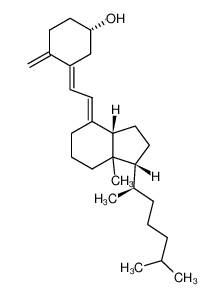
- 98818-17-8
- C27H44O
- 384.63800
- All (0)
- China (0)
- (0)
Related Products More >

- CNY Request For Quotation
- CNY Request For Quotation
- CNY Request For Quotation
- CNY Request For Quotation
- CNY Request For Quotation
- CNY Request For Quotation
- 2074-53-5
- CNY 30.0000
- 25kg
- 30999-06-5
- Request For Quotation
- 50kg


From a biochemical perspective, vitamin D functions chiefly as a hormone precursor regulating calcium and phosphate homeostasis, influencing bone mineralization and immune modulation. Vitamin E acts mainly as a lipid-soluble antioxidant, protecting cellular membranes from oxidative damage by neutralizing free radicals. Despite these distinct roles, their interactions within the body do not appear antagonistic. In fact, the antioxidant properties of vitamin E can complement the biological effects of vitamin D by mitigating oxidative stress that might otherwise impair vitamin D’s regulatory functions at the cellular level.
In practical terms, combining vitamin D and E is common in both clinical supplementation and general nutrition, often within multivitamin complexes or fortified foods. Their concurrent use addresses different physiological needs—vitamin D’s involvement in skeletal health and immune function, and vitamin E’s contribution to skin integrity and cardiovascular protection. Industrially, the stability of these vitamins together in supplement formulations requires consideration of factors like oxidation susceptibility, with vitamin E often serving as a stabilizer to prevent degradation of sensitive compounds.
In medical applications, co-supplementation may be relevant for populations at risk of deficiencies due to malabsorption syndromes, dietary restrictions, or increased physiological demand. Their synergy might offer enhanced protection against chronic diseases linked to inflammation and oxidative stress. However, dosing thresholds are important; excessive intake of fat-soluble vitamins can accumulate to toxic levels, as their elimination from the body is slower compared to water-soluble vitamins. Therefore, monitoring and guidance by healthcare professionals are advisable when high-dose supplements are used concurrently.
Thus, the integrative understanding of vitamin D and E’s chemical characteristics, absorption mechanisms, physiological functions, and industrial formulation informs safe and effective co-administration. Their combined use, when appropriately managed, supports diverse aspects of human health without significant adverse interactions.
Consider a person following a balanced diet that includes fatty fish, nuts, and fortified dairy—sources of both vitamins. Taking a daily supplement containing 1000-2000 IU of vitamin D and 15-20 mg of vitamin E would align with general guidelines, supporting bone health and reducing oxidative stress without adverse interactions. The body regulates their storage in adipose tissue and liver, preventing excess buildup when intake stays moderate.
In cases where individuals have specific health conditions, such as fat malabsorption disorders, adjusting the timing of supplementation alongside meals with healthy fats can enhance absorption of both. For example, taking supplements with a meal that includes avocado or olive oil helps maximize the body’s ability to utilize both vitamins, ensuring they perform their respective roles effectively. This synergy, when managed properly, makes concurrent use a practical part of many wellness routines.
From a physiological standpoint, the simultaneous intake of vitamin D and vitamin E does not inherently pose a conflict, as they operate through distinct yet complementary pathways. Vitamin D's role in enhancing calcium absorption is crucial for maintaining bone density and preventing conditions like osteoporosis, especially in populations with limited sun exposure or dietary deficiencies. Vitamin E, by contrast, supports cellular health by mitigating oxidative stress, which is implicated in various chronic diseases, including cardiovascular disease and neurodegenerative disorders. The absence of direct interaction between their metabolic pathways means that their combined intake does not interfere with each other's absorption or efficacy, making it generally safe to take them together.
However, it is essential to distinguish between the roles of these vitamins and their potential synergistic effects versus additive effects. While vitamin D and E do not exhibit direct synergism in a classical biochemical sense, their combined intake can contribute to overall health in a complementary manner. For instance, vitamin D's role in immune modulation, alongside vitamin E's antioxidant properties, may collectively support immune function, though this is not a direct biochemical interaction. This is distinct from, say, the interaction between vitamin K and vitamin D, where vitamin K is necessary for the carboxylation of osteocalcin, a protein involved in bone mineralization that is activated by vitamin D, demonstrating a more direct functional relationship.
A common misunderstanding is that taking multiple vitamins together can lead to overdosage or adverse interactions. While excessive intake of any vitamin can have detrimental effects, the toxicity thresholds for vitamins D and E are relatively high, and routine supplementation within recommended doses rarely causes harm. Vitamin D toxicity, characterized by hypercalcemia, typically occurs with prolonged intake of doses exceeding 10,000 IU/day, far above the typical supplementation range. Similarly, vitamin E toxicity is rare and usually associated with doses exceeding 1,000 mg/day, leading to potential hemorrhagic effects due to its anticoagulant properties. Therefore, when taken within recommended limits, the concurrent use of vitamin D and E is unlikely to cause adverse effects.
Moreover, the bioavailability of these vitamins can be influenced by factors such as dietary fat intake, as both are fat-soluble. Consuming them with a meal containing healthy fats can enhance their absorption, but this does not necessitate their simultaneous intake in supplement form. In fact, spacing out vitamin intake throughout the day can sometimes optimize absorption, though this is more relevant for water-soluble vitamins with shorter half-lives. For vitamins D and E, their longer half-lives in the body mean that timing of intake is less critical compared to frequency and dosage.
In conclusion, the decision to take vitamin D and E together should be guided by individual health needs and dietary deficiencies rather than concerns about biochemical interactions. Their distinct yet complementary roles in maintaining bone health, immune function, and cellular integrity make them valuable components of a balanced supplementation regimen, provided that intake remains within safe and recommended limits. Understanding the nuances of their biochemical properties and physiological functions can help dispel myths and promote informed decisions about vitamin supplementation.