


 Home
Home
Hi, I'd like to ask—does calcium chloride actually cause the pH in pools to rise? How does it affect the pool's pH balance over time? Are there specific water conditions where calcium chloride impacts pH more? If it does raise pH, what's the best way to adjust and maintain proper balance when treating pool water? Thanks!
Does Calcium Chloride Significantly Raise the pH Level in Swimming Pools?
Related Encyclopedia

- 10043-52-4
- CaCl2
- 110.98
- All (479)
- China (34)
- (479)
- 99886-95-0
- CaClI
- 202.43500
- All (0)
- China (0)
- (0)
- 14031-58-4
- CaClHO
- 92.53830
- All (0)
- China (0)
- (0)
- 127886-77-5
- CaClHO
- 92.53830
- All (0)
- China (0)
- (0)
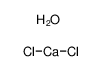
- 22691-02-7
- CaCl2H2O
- 128.99900
- All (0)
- China (0)
- (0)
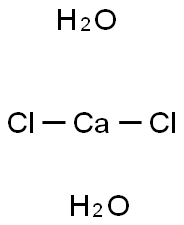
- 10035-04-8
- CaCl2H4O2
- 147.01
- All (116)
- China (17)
- (116)
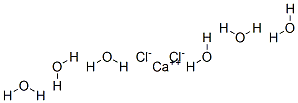
- 7774-34-7
- CaCl2H12O6
- 219.08
- All (16)
- China (1)
- (16)
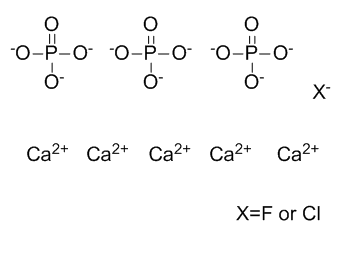
- 75535-31-8
- CaClFH4O4P-3
- 193.53000
- All (0)
- China (0)
- (0)
- 135732-52-4
- C4H12CaCl2O
- 187.12100
- All (0)
- China (0)
- (0)
- 20280-08-4
- C12H24CaCl2N8
- 391.35700
- All (0)
- China (0)
- (0)
Related Products More >

- 9003-05-8
- USD 30.0000
- 25kg
- 9003-05-8
- USD 30.0000
- 25kg
- 10035-04-8
- CNY 110.0000
- 25kg
- 10043-52-4
- USD 4.8000
- 25kg
- 108-80-5
- USD 50.0000
- 50kg
- USD 35.0000
- 25kg


Over time, calcium chloride’s primary effect is on water hardness rather than pH. Hard water with elevated calcium levels can enhance the water’s buffering capacity, making pH changes less volatile. However, if other chemicals like calcium hypochlorite (a pH-raising sanitizer) are used alongside calcium chloride, the combined effect might lead to gradual pH increases. Regular testing is crucial to distinguish between direct pH shifts and hardness-related changes.
Calcium chloride’s impact on pH is most significant in water with unstable carbonate balance—specifically, when total alkalinity is low (below 80 ppm) or calcium hardness is excessively high (over 400 ppm). In such conditions, calcium carbonate precipitation is more likely, potentially causing minor pH dips. Conversely, in water with high alkalinity, the buffering capacity may mask any subtle pH effects from calcium chloride.
Over time, the addition of calcium chloride can have an indirect effect on pH. In pools with low calcium hardness, the water can become aggressive, leading to a drop in pH. Conversely, excessively high calcium hardness can cause scaling and cloudiness, which may push the pH upward. This is more pronounced in pools with low total alkalinity or high pH levels. In such conditions, the buffering capacity of the water is compromised, making it more susceptible to pH fluctuations.
To manage pH effectively when using calcium chloride, it is crucial to monitor and adjust other water parameters. If the pH rises above the recommended range of 7.2 to 7.6, using a pH reducer such as muriatic acid or sodium bisulfate can help lower the pH. These chemicals neutralize some of the alkalinity, allowing the pH to stabilize. It is important to make gradual adjustments and retest the water after a few hours of circulation to avoid overcorrection.
Regular testing of pH, total alkalinity, and calcium hardness is essential for maintaining balanced pool water. Pool owners should also consider the specific conditions of their pool, such as the type of pool surface and the local water chemistry. By understanding these factors and making informed adjustments, pool owners can ensure a healthy and safe swimming environment. This approach not only enhances the longevity of pool equipment but also provides a more enjoyable swimming experience.
To maintain balance, regularly test water parameters. Ideal pH for pools is 7.2–7.8, with total alkalinity at 80–120 ppm to buffer against fluctuations. If pH rises, use a pH decreaser like sodium bisulfate, following label instructions. Focus on stabilizing alkalinity first, as it’s more critical for preventing rapid pH changes than addressing calcium chloride’s minimal impact. Proper maintenance ensures water stays comfortable and equipment lasts longer.
The effect of calcium chloride on pH becomes more noticeable under specific water conditions. In pools with low total alkalinity the buffering capacity against pH fluctuations weakens making any minor pH shift more pronounced. Additionally if the pool water already has a high pH typically above 7.8 the addition of calcium chloride may push the pH further upward due to reduced buffering from bicarbonates. Water temperature also plays a role since warmer temperatures accelerate chemical reactions including those that affect pH stability. Pools in warmer climates or those exposed to direct sunlight may experience faster pH changes after calcium chloride addition compared to cooler environments.
When calcium chloride raises pH beyond the ideal range of 7.2 to 7.6 adjustments become necessary to maintain balanced water chemistry. The most effective way to lower pH involves adding muriatic acid hydrochloric acid or sodium bisulfate dry acid. Muriatic acid works quickly but requires careful handling due to its corrosive nature while sodium bisulfate offers a safer alternative for gradual pH reduction. The required dosage depends on the pool volume and the extent of the pH increase with manufacturers providing specific guidelines based on these factors. After adjusting pH retesting the water within 24 hours ensures the adjustment achieved the desired level without overshooting.
Maintaining proper balance after treating pool water with calcium chloride requires regular monitoring of both calcium hardness and pH. Since calcium chloride increases calcium levels without affecting alkalinity pool operators should also check total alkalinity levels to ensure they remain within the recommended range of 80 to 120 parts per million. If alkalinity is too low adding sodium bicarbonate can help restore buffering capacity preventing rapid pH fluctuations. Regular testing at least once a week during peak swimming season allows for timely adjustments keeping the water chemistry stable and preventing damage to pool surfaces or equipment.