


 Home
Home
Hi, I'd like to ask—why is calcium chloride considered superior to rock salt for deicing? What's the difference in their freezing-point depression abilities? Does calcium chloride cause less corrosion to infrastructure? Are there environmental benefits of using calcium chloride over rock salt? Thanks!
Is Calcium Chloride More Effective Than Rock Salt for Deicing and Why?
Related Encyclopedia

- 10043-52-4
- CaCl2
- 110.98
- All (479)
- China (34)
- (479)
- 99886-95-0
- CaClI
- 202.43500
- All (0)
- China (0)
- (0)
- 14031-58-4
- CaClHO
- 92.53830
- All (0)
- China (0)
- (0)
- 127886-77-5
- CaClHO
- 92.53830
- All (0)
- China (0)
- (0)
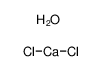
- 22691-02-7
- CaCl2H2O
- 128.99900
- All (0)
- China (0)
- (0)
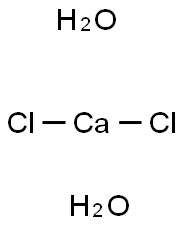
- 10035-04-8
- CaCl2H4O2
- 147.01
- All (116)
- China (17)
- (116)
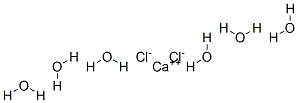
- 7774-34-7
- CaCl2H12O6
- 219.08
- All (16)
- China (1)
- (16)
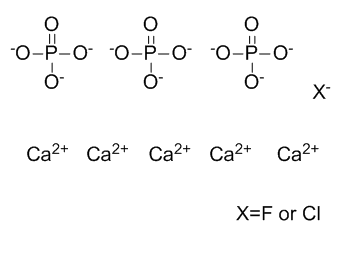
- 75535-31-8
- CaClFH4O4P-3
- 193.53000
- All (0)
- China (0)
- (0)
- 135732-52-4
- C4H12CaCl2O
- 187.12100
- All (0)
- China (0)
- (0)
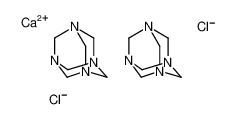
- 20280-08-4
- C12H24CaCl2N8
- 391.35700
- All (0)
- China (0)
- (0)
Related Products More >

- 10035-04-8
- CNY 110.0000
- 25kg
- 10043-52-4
- USD 4.8000
- 25kg
- USD 35.0000
- 25kg
- 7774-34-7
- Request For Quotation
- 25kg
- 7774-34-7
- Request For Quotation
- 1ton
- 10035-04-8
- Request For Quotation
- 10g
- 10035-04-8
- Request For Quotation
- 500g
- 10035-04-8
- Request For Quotation
- 100g


In terms of corrosion, calcium chloride generally causes less damage to infrastructure. Though both can corrode metals, calcium chloride has a lower chloride ion concentration per unit mass, reducing its corrosive impact. Studies suggest it may cause 30–50% less harm to concrete and steel than rock salt when used properly. Environmentally, calcium chloride offers advantages too. Rock salt’s sodium ions can harm vegetation and contaminate ecosystems, while calcium chloride is less toxic, biodegrades more readily, and requires less application due to its higher efficiency, minimizing environmental impact.
The difference in their freezing-point depression abilities is significant. Calcium chloride has a greater capacity to lower the freezing point of water compared to rock salt. This means it can create a brine solution that remains liquid at much lower temperatures, facilitating faster and more effective ice melting. For instance, at 20°F (-7°C), calcium chloride can melt ice much more rapidly than rock salt, often within the first 30 minutes of application.
In terms of infrastructure, calcium chloride is generally less corrosive than rock salt. While both can cause damage to metal surfaces, calcium chloride is less likely to cause pitting and staining on metal structures. This is particularly important for protecting vehicles and infrastructure such as bridges and roads. Additionally, calcium chloride has a lower impact on concrete, reducing the number of freeze/thaw cycles that can damage the surface.
From an environmental standpoint, calcium chloride offers several advantages over rock salt. It is less harmful to plants and vegetation, as it does not accumulate in the soil and cause damage to plant roots. Calcium chloride is also less likely to cause soil compaction and can be less damaging to aquatic life when it enters waterways. This makes it a more environmentally friendly option, especially in areas where vegetation and water bodies need to be protected.
In the context of international trade, these properties make calcium chloride a valuable commodity. Its ability to perform well in extreme cold and its reduced environmental impact make it a preferred choice for many regions. However, it is more expensive than rock salt, which remains a cost-effective option for milder climates. Understanding these differences is crucial for both chemists and those involved in the trade of deicing agents, as it helps in selecting the most appropriate material for specific applications and conditions.
Both can corrode metal, but calcium chloride might be less harmful. Rock salt’s high chloride content speeds up rusting, while calcium chloride causes slower corrosion in some cases. Environmentally, calcium chloride is more hygroscopic, so you need less of it. That reduces runoff into soil and water. It also hurts plants less than rock salt, which can make soil too salty. I read a report once that showed roads treated with calcium chloride had healthier roadside grass, which made me realize its environmental benefits.
The melting speed difference is equally dramatic—calcium chloride begins working at temperatures as low as -25°F (-32°C) and can melt ice up to four times faster than rock salt. This rapid action occurs because calcium chloride generates exothermic heat (about 80 calories per gram) during dissolution, actively warming the surrounding ice. In contrast, sodium chloride's endothermic reaction (absorbing 0.2 calories per gram) slows its melting process, particularly in subzero conditions. For transportation agencies and municipalities, this means faster roadway clearance during winter storms, reducing accident risks and traffic delays.
Regarding corrosion, calcium chloride demonstrates markedly less aggressiveness toward infrastructure compared to rock salt. Studies show sodium chloride accelerates the corrosion of steel reinforcement in concrete bridges by up to 300%, while calcium chloride's corrosion rate is only about 10-20% higher than plain water. This difference arises because calcium chloride forms a protective oxide layer on metal surfaces and doesn't produce the same chloride-rich brine that aggressively attacks ferrous metals. For vehicles, calcium chloride causes about 60% less corrosion damage to undercarriages and braking systems than sodium chloride, extending the lifespan of transportation fleets.
Environmental benefits further support calcium chloride's advantages. While both chemicals contribute to soil salinization and aquatic ecosystem disruption, calcium chloride's lower application rates (typically 30-50% less than sodium chloride for equivalent ice melting) reduce overall environmental loading. Its faster action means less product remains on surfaces to be washed into waterways during rain events. Some formulations even incorporate corrosion inhibitors or organic additives to mitigate ecological impacts. However, excessive calcium chloride use still poses risks—particularly for vegetation near roadways due to its high solubility and mobility in soil.
The higher upfront cost of calcium chloride (approximately 3-5 times more expensive per ton than rock salt) is offset by reduced application rates, fewer repeat treatments, and lower infrastructure maintenance expenses. For facilities where equipment corrosion translates to high replacement costs—such as airports, parking garages, and loading docks—the long-term savings justify the premium price.