


 Home
Home
Hi, I'd like to ask—what are the risks if my pet licks calcium chloride residue? Can it cause vomiting, diarrhea, or paw irritation? Are small animals like cats more sensitive than dogs? How to rinse off residue from pet paws after exposure? What emergency steps should I take for potential poisoning? Thanks!
Is Calcium Chloride Salt Safe for Pets? Toxicity & Symptom Guide
Related Encyclopedia

- 10043-52-4
- CaCl2
- 110.98
- All (479)
- China (34)
- (479)
- 99886-95-0
- CaClI
- 202.43500
- All (0)
- China (0)
- (0)
- 14031-58-4
- CaClHO
- 92.53830
- All (0)
- China (0)
- (0)
- 127886-77-5
- CaClHO
- 92.53830
- All (0)
- China (0)
- (0)
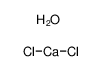
- 22691-02-7
- CaCl2H2O
- 128.99900
- All (0)
- China (0)
- (0)

- 10035-04-8
- CaCl2H4O2
- 147.01
- All (116)
- China (17)
- (116)
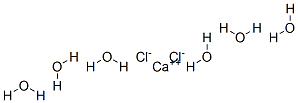
- 7774-34-7
- CaCl2H12O6
- 219.08
- All (16)
- China (1)
- (16)

- 75535-31-8
- CaClFH4O4P-3
- 193.53000
- All (0)
- China (0)
- (0)
- 135732-52-4
- C4H12CaCl2O
- 187.12100
- All (0)
- China (0)
- (0)
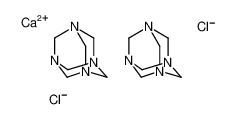
- 20280-08-4
- C12H24CaCl2N8
- 391.35700
- All (0)
- China (0)
- (0)
Related Products More >

- 10035-04-8
- CNY 110.0000
- 25kg
- 10043-52-4
- USD 4.8000
- 25kg
- USD 35.0000
- 25kg
- 7774-34-7
- Request For Quotation
- 25kg
- 7774-34-7
- Request For Quotation
- 1ton
- 10035-04-8
- Request For Quotation
- 10g
- 10035-04-8
- Request For Quotation
- 500g
- 10035-04-8
- Request For Quotation
- 100g


Small animals like cats might be more sensitive than dogs. Their smaller body mass means that even a small amount of calcium chloride can lead to relatively high toxin concentrations in their bodies. Cats also tend to groom more frequently, which increases their exposure if the residue is on their fur or paws. However, both cats and dogs are at risk, and symptoms can worsen quickly, especially with significant ingestion.
To rinse residue from a pet’s paws, use lukewarm water to gently wipe or soak them, making sure to remove all visible crystals. It’s best to avoid using soap unless a veterinarian recommends it, as some soaps might irritate the skin further. For fur contamination, a damp cloth can safely remove the residue.
In the event of potential poisoning, take immediate action. First, move the pet away from the contaminated area to prevent further exposure. If the pet has recently ingested calcium chloride, contact a veterinarian or an animal poison control center right away. They can provide guidance on whether inducing vomiting is appropriate. Signs of severe poisoning include excessive drooling, weakness, an irregular heartbeat, or seizures. Seeking prompt veterinary care is essential, as treatment may involve fluid therapy to flush out toxins, electrolyte monitoring, and measures to address gastrointestinal irritation.
Paw irritation is also a concern. CaCl₂’s hygroscopic nature can dry out paws, leading to redness or burns. Cats might be more sensitive than dogs due to their smaller size—even a small amount ingested matters. But sensitivity varies by the amount and the pet’s health.
To rinse paws, use lukewarm water, gently cleaning between pads. Skip soap unless a vet says otherwise. If a pet shows drooling, lethargy, or breathing problems, call a vet immediately. Never induce vomiting without advice, as it could harm the esophagus. Quick action is key to prevent worse issues.
Skin contact with calcium chloride can also result in irritation, particularly on the sensitive skin of a pet's paws. The hygroscopic nature of calcium chloride can cause the skin to dry out and become irritated. Small animals like cats may be more sensitive to these effects than dogs due to their smaller size and different metabolic rates. Cats have a higher surface area-to-volume ratio, which means that a given amount of calcium chloride can have a more pronounced effect on their smaller bodies.
To mitigate these risks, it is important to take immediate action if your pet has been exposed to calcium chloride. If the residue is on your pet's paws, you should gently but thoroughly rinse the affected area with warm water. This helps to remove the calcium chloride and reduce the risk of further irritation or ingestion. It is also advisable to monitor your pet for any signs of gastrointestinal distress or skin irritation.
In the event of potential poisoning, prompt action is crucial. If you suspect that your pet has ingested a significant amount of calcium chloride, you should contact your veterinarian or an animal poison control center immediately. They may recommend inducing vomiting if it is safe to do so, or they may advise providing supportive care to manage symptoms. It is important to follow their guidance closely to ensure the best possible outcome for your pet.
Small animals like cats are generally more sensitive to chemical exposures than dogs due to their smaller body size and differences in metabolism. Cats lack certain liver enzymes that help metabolize foreign substances, making them more vulnerable to toxic effects even at lower doses. Additionally, their grooming behavior means they may ingest more residue from their paws or fur compared to dogs, increasing their risk of poisoning. Symptoms in cats may appear more quickly and be more severe, so extra caution is needed if you suspect exposure.
If your pet’s paws have been exposed to calcium chloride, it’s important to rinse them thoroughly with clean, lukewarm water as soon as possible. Use a mild pet-safe shampoo if necessary to remove any residue, but avoid harsh chemicals that could further irritate the skin. Pay special attention to between the toes and under the paw pads, where residue can accumulate. Dry their paws gently afterward to prevent chilling, especially in cold weather. If you notice redness, swelling, or signs of pain (such as limping or excessive licking), consult a veterinarian promptly, as this could indicate chemical burns or irritation.
For potential poisoning, the first step is to contact your veterinarian or an animal poison control center immediately. Provide details about the amount of calcium chloride your pet may have ingested or been exposed to, as well as any symptoms they’re showing. Do not induce vomiting unless specifically instructed by a professional, as this can sometimes worsen irritation to the esophagus or stomach. In severe cases, veterinary treatment may include intravenous fluids to combat dehydration, medications to protect the gastrointestinal tract, or supportive care to stabilize electrolyte levels.
Preventing exposure is the best approach—clean up any spilled calcium chloride promptly, keep containers securely sealed, and avoid using it in areas where pets frequently walk or rest. If you must use it for deicing, consider pet-safe alternatives like magnesium chloride or sand, which are less toxic. Regularly wiping your pet’s paws after outdoor walks during winter can also help minimize the risk of accidental ingestion.
By acting quickly and taking preventive measures, you can reduce the likelihood of serious harm to your pet. Always monitor for symptoms after exposure and seek professional advice if you’re unsure about the severity of the situation.