


 Home
Home
Hi, I'd like to ask—how much calcium chloride is recommended when mixing concrete? Does the dosage depend on the concrete grade or environmental temperature? Are there different ratios for residential vs. commercial projects? What happens if the calcium chloride dosage is too high or too low, and how does it affect the concrete's strength? Thanks!
How Much Calcium Chloride Should Be Added to Concrete for Optimal Curing?
Related Encyclopedia
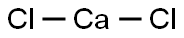
- 10043-52-4
- CaCl2
- 110.98
- All (479)
- China (34)
- (479)
- 99886-95-0
- CaClI
- 202.43500
- All (0)
- China (0)
- (0)
- 14031-58-4
- CaClHO
- 92.53830
- All (0)
- China (0)
- (0)
- 127886-77-5
- CaClHO
- 92.53830
- All (0)
- China (0)
- (0)
- 22691-02-7
- CaCl2H2O
- 128.99900
- All (0)
- China (0)
- (0)
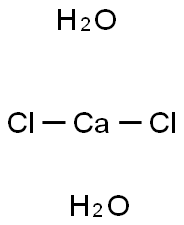
- 10035-04-8
- CaCl2H4O2
- 147.01
- All (116)
- China (17)
- (116)
- 7774-34-7
- CaCl2H12O6
- 219.08
- All (16)
- China (1)
- (16)
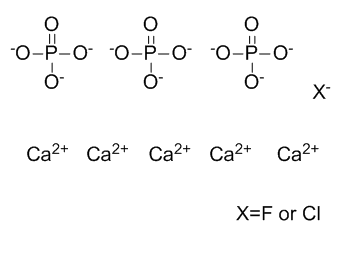
- 75535-31-8
- CaClFH4O4P-3
- 193.53000
- All (0)
- China (0)
- (0)
- 135732-52-4
- C4H12CaCl2O
- 187.12100
- All (0)
- China (0)
- (0)
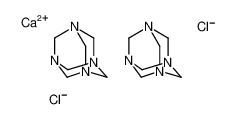
- 20280-08-4
- C12H24CaCl2N8
- 391.35700
- All (0)
- China (0)
- (0)
Related Products More >

- 10035-04-8
- CNY 110.0000
- 25kg
- 10043-52-4
- USD 4.8000
- 25kg
- USD 35.0000
- 25kg
- 7774-34-7
- Request For Quotation
- 25kg
- 7774-34-7
- Request For Quotation
- 1ton
- 10035-04-8
- Request For Quotation
- 10g
- 10035-04-8
- Request For Quotation
- 500g
- 10035-04-8
- Request For Quotation
- 100g


Residential and commercial projects often follow the same dosage guidelines, as the ratio is more tied to engineering requirements (e.g., cold-weather curing, early load-bearing needs) than project type. However, commercial projects may prioritize strict adherence to early-strength standards, while residential work might rely on lower dosages for simpler applications. Always consult local building codes, as some regions restrict calcium chloride in reinforced concrete due to chloride-induced corrosion risks.
Using too little calcium chloride results in slow curing, increased frost damage vulnerability in cold weather, and delayed strength development, potentially compromising the concrete’s long-term durability. Excessive dosage, meanwhile, causes rapid setting that reduces workability, increases internal heat generation (risking thermal cracking), and—critically—elevates chloride levels, which corrode steel reinforcement. Overuse can also stunt late-stage strength gain: while early strength may spike, 28-day compressive strength can drop by 10–15% compared to properly dosed mixes, as accelerated hydration disrupts the cement matrix’s densification. Always verify dosage with material specifications and prioritize chloride limits in reinforced structures.
When it comes to temperature, the dosage of calcium chloride needs to be carefully calibrated. In warmer climates where temperatures exceed 90°F, it is advisable to keep the dosage at or below 1% to prevent flash setting. Flash setting occurs when the concrete sets too quickly, making it difficult to work with and potentially leading to a poor - quality final product. In more moderate temperatures, ranging from 70°F to 90°F, a dosage of 1% to 1.5% is generally appropriate. This range allows for a balanced acceleration of the hydration process without the risk of overly rapid setting. When temperatures drop below 70°F, particularly in cold weather applications, the dosage can be increased to up to 2%.
The impact of calcium chloride dosage on the strength and quality of concrete is a critical factor to consider. If the dosage of calcium chloride is too high, it can lead to a number of issues. Flash setting, as previously mentioned, can make the concrete unworkable and may result in a poor - quality final product. Additionally, excessive calcium chloride can increase the risk of corrosion of reinforcing steel, reduce the concrete's resistance to sulfates, and exacerbate the alkali - silica reaction. These factors can all contribute to a reduction in the long - term strength and durability of the concrete structure. On the other hand, if the dosage of calcium chloride is too low, the desired acceleration of the hydration process may not be achieved. This can be particularly problematic in cold weather conditions, where the concrete may not develop sufficient strength quickly enough to withstand freezing temperatures. As a result, the concrete may be more susceptible to damage and may not meet the required strength specifications.
The dosage often depends on the concrete grade and environmental temperature. In colder weather lower temperatures slow down the hydration process so a higher dosage within the recommended range may be used to ensure proper setting and strength development. Conversely in warmer conditions where hydration occurs more rapidly a lower dosage might suffice to avoid accelerating the process too aggressively. Concrete grades with higher strength requirements may also influence the dosage as faster setting times can help achieve early compressive strength though excessive acceleration can compromise long-term durability.
Residential and commercial projects may use different ratios depending on the scale and specifications. Residential projects often prioritize ease of handling and moderate setting times so lower dosages are typically sufficient. Commercial projects especially those with tight construction schedules or exposure to harsh conditions might require higher dosages to meet faster setting demands though this must be balanced against potential risks. Engineers and contractors usually determine the appropriate dosage based on project-specific factors including ambient temperature cement type and desired setting times.
If the calcium chloride dosage is too high several negative effects can occur. Excessive acceleration may lead to reduced workability making the concrete harder to place and finish. Over-acceleration can also cause rapid moisture loss increasing the risk of plastic shrinkage cracks and weakening the final strength of the concrete. In extreme cases high dosages can lead to corrosion of embedded steel reinforcement due to increased chloride ion penetration which compromises the structural integrity over time.
On the other hand if the dosage is too low the desired acceleration effect may not be achieved resulting in slower setting times and delayed strength gain. This can be problematic in cold weather or when tight construction schedules must be met. Insufficient calcium chloride may also lead to incomplete hydration particularly in lower temperatures reducing the overall durability and load-bearing capacity of the concrete. Proper testing and adherence to recommended guidelines are essential to avoid these issues and ensure optimal concrete performance.
In biology, enzymes act as natural catalysts, optimizing reactions in cells. Similarly, in international trade, logistics mirror these principles. Transporting chemicals requires controlling conditions like temperature to prevent unwanted reactions, just like how enzymes maintain optimal pH and temperature. Studying both fields shows how fundamental principles like rate control apply across disciplines, connecting lab experiments to global supply chains. This overlap makes learning about chemistry and trade especially fascinating.