


 Home
Home
Hi, I'd like to ask—does lactic acid accumulate in tissues after death? How does putrescine form during decomposition? What's the role of ATP depletion in postmortem changes? Can cadaverine levels help determine time since death? And do amino acid breakdown patterns differ across organs? Thanks!
What Chemical Changes Happen in the Body After Death?
Related Encyclopedia
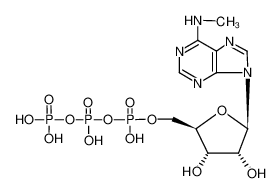
- 3130-39-0
- C11H18N5O13P3
- 521.20800
- All (0)
- China (0)
- (0)
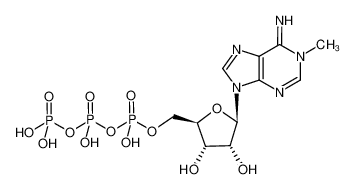
- 68643-11-8
- C11H18N5O13P3
- 521.20800
- All (0)
- China (0)
- (0)
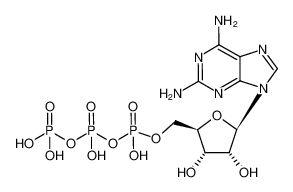
- 18549-34-3
- C10H17N6O13P3
- 522.19600
- All (0)
- China (0)
- (0)
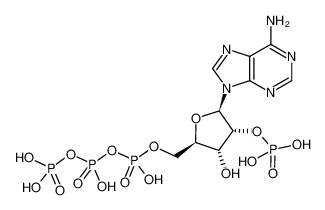
- 23339-43-7
- C10H17N5O16P4
- 587.16100
- All (3)
- China (0)
- (3)
- 64363-04-8
- C10H14N5O13P3--
- 505.16500
- All (3)
- China (0)
- (3)
- 64344-01-0
- C10H13N5O13P3---
- 504.15700
- All (3)
- China (0)
- (3)
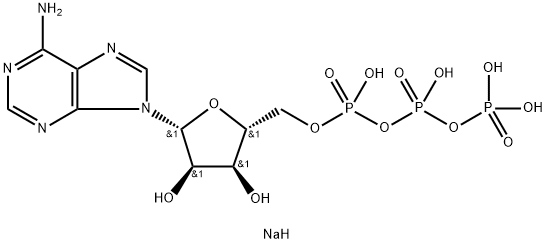
- 987-65-5
- C10H17N5NaO13P3
- 531.18
- All (0)
- China (0)
- (0)
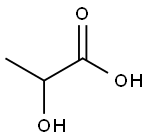
- 50-21-5
- C3H6O3
- 90.08
- All (220)
- China (25)
- (220)
- 1595292-07-1
- C3H4FeO3+
- 143.90700
- All (220)
- China (25)
- (220)
- 84453-34-9
- C11H20N4
- 208.30300
- All (0)
- China (0)
- (0)
Related Products More >

- CNY Request For Quotation
- CNY Request For Quotation
- CNY Request For Quotation
- 50-21-5
- CNY Request For Quotation
- 50-21-5
- CNY Request For Quotation
- 72-18-4
- USD 45.0000
- 25kg
- 74-79-3
- USD 92.0000
- 25kg
- 26100-51-6
- Request For Quotation
- 1ton


Putrescine forms during decomposition through bacterial decarboxylation of the amino acid arginine. Gut microbes and other bacteria produce enzymes that break down arginine, releasing putrescine—a volatile amine responsible for the characteristic odor of decay. This process is part of proteolysis, where proteins decompose into smaller compounds, and putrescine’s presence signals the progression of putrefaction.
ATP depletion is central to postmortem changes. When ATP (the cell’s energy source) is exhausted, ion pumps fail, causing calcium buildup in muscle cells. This triggers myosin-actin cross-bridging, leading to rigor mortis. Additionally, ATP loss impairs cellular repair mechanisms, so lysosomes rupture, releasing enzymes that autolyze tissues. Energy depletion thus initiates a cascade of structural and biochemical breakdowns.
Amino acid breakdown patterns do differ across organs. Organs like the liver, rich in proteolytic enzymes, decompose faster and show distinct amino acid profiles compared to muscles or skin. The liver’s high enzyme activity accelerates protein degradation, while muscle tissue, with more structural proteins, releases amino acids at a slower rate. Additionally, organ-specific bacterial colonization affects decomposition pathways, leading to varied breakdown products and timelines.
Putrescine forms through bacterial decarboxylation of lysine during decomposition. Gut microbiota, including Proteus vulgaris and Klebsiella pneumoniae, express lysine decarboxylase, catalyzing lysine to putrescine (C5H12N2) and carbon dioxide. This amine accumulates in tissues and bodily fluids, contributing to the characteristic "rotten fish" odor of decomposition. Studies show putrescine levels correlate with early to middle decomposition stages, peaking when tissue putrefaction is evident.
ATP depletion is central to postmortem changes: as ATP declines (half-life ~2 hours in muscle), plasma membrane Ca2+ pumps fail, causing cytosolic calcium overload. This activates calpains and caspases, degrading cytoskeletal proteins and initiating autolysis. In cardiac muscle, ATP depletion disrupts myofibril relaxation, accelerating rigor mortis onset. Recent proteomics studies link ATP-dependent ion pump failure to mitochondrial outer membrane permeabilization, releasing apoptogenic factors that exacerbate cellular decay.
Cadaverine (C5H12N2) levels aid time since death (TSD) estimation but are influenced by environmental variables. In temperate climates, cadaverine accumulates linearly at ~1.2 μg/g tissue per day in liver, but tropical heat can triple this rate. Forensic scientists now use cadaverine in tandem with other polyamines (e.g., spermidine) and volatile organic compounds (VOCs) for more robust TSD models.
Organ-specific amino acid breakdown patterns reflect metabolic specialization. The liver, with high proteolytic enzyme activity, degrades branched-chain amino acids (BCAAs) 2–3 times faster than skeletal muscle. The brain, rich in glutamine, shows preferential glutamine-to-glutamate conversion, while kidneys prioritize arginine and ornithine catabolism. Mass spectrometry analyses reveal distinct amino acid profiles in liver (rapid alanine depletion), muscle (slow leucine breakdown), and brain (early glutamine loss), enabling multi-organ biomarker panels for improved TSD accuracy.
Putrescine formation during decomposition follows a well-defined biochemical pathway. As cellular structures break down, proteolytic enzymes release ornithine and arginine from proteins. The enzyme ornithine decarboxylase converts ornithine into putrescine, while arginine decarboxylase performs a similar function for arginine. This process typically begins within hours of death as tissues enter the bloat stage of decomposition. Putrescine, along with cadaverine (derived from lysine), contributes significantly to the characteristic foul odor associated with decaying remains. The concentration of these polyamines increases exponentially during the active decay phase, making them useful biomarkers for estimating postmortem interval in forensic investigations.
ATP depletion initiates a cascade of postmortem changes at the cellular level. Without fresh ATP production, ion pumps fail to maintain electrochemical gradients across cell membranes. This leads to calcium influx, activation of proteolytic enzymes, and eventual cell lysis. The loss of ATP also prevents maintenance of actin-myosin cross-bridges, resulting in rigor mortis as muscles stiffen. The rate of ATP depletion varies by tissue type, with highly metabolic organs like the brain and heart experiencing faster energy exhaustion than less active tissues. This differential depletion pattern contributes to the variable onset and resolution of rigor mortis observed in different body regions.
Cadaverine levels show promise as a tool for estimating time since death. The decarboxylation of lysine to cadaverine follows predictable kinetic patterns influenced by temperature, pH, and microbial activity. Forensic studies have demonstrated that cadaverine concentrations correlate with postmortem interval in controlled environments, though environmental variables can significantly affect these measurements. Current research focuses on developing standardized protocols for cadaverine analysis to improve its reliability as a forensic biomarker.
Amino acid breakdown patterns exhibit distinct organ-specific characteristics. Muscle tissue shows rapid proteolysis due to high enzyme concentrations, while connective tissues resist breakdown longer due to their dense extracellular matrix. The brain's unique lipid composition leads to different decomposition kinetics compared to protein-rich organs. These variations create characteristic patterns of amino acid release that forensic scientists can use to reconstruct postmortem events and estimate time since death with greater precision.
Putrescine forms during decomposition through bacterial decarboxylation of ornithine, an amino acid. Microbes in the gut and tissues produce enzymes that remove the carboxyl group from ornithine, yielding putrescine. This amine is a key odorant in decaying bodies.
Cadaverine levels can partially indicate time since death, but they’re not definitive. Formed from lysine decarboxylation, cadaverine accumulates as decomposition progresses, but factors like temperature, humidity, and microbial activity influence its rate, limiting single-marker accuracy.
Amino acid breakdown patterns do differ across organs. Liver, rich in detoxifying enzymes, may degrade amino acids faster, while muscles, with more structural proteins, show slower breakdown. Organs with higher enzymatic diversity exhibit distinct decomposition kinetics based on their proteolytic enzyme profiles.