


 Home
Home
Hi, I'd like to ask—why is it necessary to remove ethyl acetate from wine? What are the common removal methods, such as filtration, distillation, or adsorption? Will these methods affect the flavor and taste of wine? What is the residual ethyl acetate standard after removal? Are there any requirements from food safety regulations? Thanks!
What Are the Methods to Remove Ethyl Acetate in Wine and Its Impact on Wine Quality?
Related Encyclopedia
- 141-78-6
- C4H8O2
- 88.11
- All (39)
- China (31)
- (39)
- 114554-35-7
- C10H13ClO2
- 200.66200
- All (0)
- China (0)
- (0)
- 189811-59-4
- C4H7LiO2
- 94.03820
- All (0)
- China (0)
- (0)
- 117204-61-2
- C6H14O3
- 134.17400
- All (0)
- China (0)
- (0)
- 62018-65-9
- C5H9Cl3O2
- 207.48300
- All (0)
- China (0)
- (0)
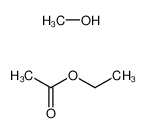
- 914771-42-9
- C5H12O3
- 120.14700
- All (0)
- China (0)
- (0)
- 75234-34-3
- C31H38O8
- 538.62900
- All (0)
- China (0)
- (0)
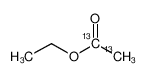
- 84508-45-2
- C4H8O2
- 90.12000
- All (0)
- China (0)
- (0)
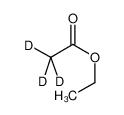
- 90691-33-1
- C4H5D3O2
- 91.12360
- All (0)
- China (0)
- (0)
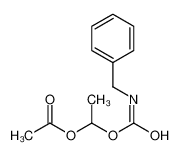
- 112613-77-1
- C12H15NO4
- 237.25200
- All (0)
- China (0)
- (0)
Related Products More >

- 141-78-6
- Request For Quotation
- 79-20-9
- CNY 4500.0000
- 1ton
- 141-78-6
- CNY 5000.0000
- 1ton
- 165668-41-7
- Request For Quotation
- 5kg
- 165668-41-7
- Request For Quotation
- 1kg
- 165668-41-7
- Request For Quotation
- 100g
- 165668-41-7
- Request For Quotation
- 10kg
- 165668-41-7
- Request For Quotation
- 10g


Common removal methods include distillation, adsorption filtration, and membrane techniques. Distillation heats wine to vaporize ethyl acetate, but it also strips desirable aromas, making it a last resort. Adsorption using activated carbon or resins is more common; these materials bind to ethyl acetate, though activated carbon might slightly affect color or tannins. Membrane filtration, non-thermal and selective, reduces ethyl acetate without severe flavor loss. Biological methods, like using yeast to metabolize the compound, are slower and less reliable.
These methods can impact wine’s flavor. Distillation drastically alters taste, while adsorption or membrane filtration may subtly affect fruitiness or mouthfeel. The key is balancing ethyl acetate removal with preserving esters that give wine its character.
Residual standards focus on sensory thresholds rather than strict safety limits. In white wine, levels below 200–300 mg/L and below 300–400 mg/L in red wine are generally acceptable. Regulatory bodies like the EU and FDA don’t set legal limits but recommend these ranges for quality. Food safety rules approve methods like adsorption and filtration, prioritizing sensory quality over health risks due to ethyl acetate’s low toxicity.
Common removal methods include distillation, which heats wine to vaporize ethyl acetate but might also take away nice aromas; adsorption with materials like activated carbon, which binds the ester gently but could affect mouthfeel; and membrane filtration, which uses selective membranes to trap ethyl acetate without harming flavor much. These methods can impact wine quality—distillation might make wine taste flat, while adsorption could remove subtle notes. The EU limits ethyl acetate in wine to around 600 mg/L, and quality producers aim for below 300 mg/L. It’s interesting how winemakers have to balance removing ethyl acetate with keeping the wine’s character, showing how chemistry and craftsmanship work together in winemaking.
Common removal techniques employ physical separation methods rather than chemical alteration to preserve wine matrix integrity. Filtration through activated carbon demonstrates moderate efficacy, adsorbing ethyl acetate while unfortunately also removing desirable phenolic compounds and pigments. Distillation processes, particularly spinning cone column technology, enable precise volatility-based separation under reduced pressure to minimize thermal degradation of sensitive flavor components. Adsorption onto synthetic resins or bentonite shows limited selectivity for ethyl acetate compared to other volatile sulfur compounds, requiring careful process optimization.
The impact on wine organoleptic properties varies significantly with the removal method employed. Membrane filtration techniques demonstrate superior selectivity when properly configured, preserving up to 95% of desirable aromatic compounds while reducing ethyl acetate concentrations by 60-80%. In contrast, thermal distillation methods may inadvertently volatilize up to 15% of floral and fruity esters, necessitating subsequent aroma rebalancing through blending or oak aging.
Regulatory frameworks establish clear thresholds for ethyl acetate residues. The International Organisation of Vine and Wine (OIV) recommends maximum limits of 300 mg/L for still wines and 400 mg/L for sparkling wines, while the US FDA permits up to 500 mg/L in finished products. European Union regulations impose stricter controls for protected designation of origin (PDO) wines, typically setting limits at 150-200 mg/L depending on wine style classification. Analytical verification employs gas chromatography with flame ionization detection (GC-FID), ensuring compliance with these standards through representative sampling protocols and method validation procedures.
One of the most effective methods for removing ethyl acetate is filtration, particularly reverse osmosis (RO). This technique involves passing the wine through a semipermeable membrane under pressure. The membrane allows smaller molecules like water and ethanol to pass through while retaining larger molecules such as color and flavor compounds. Ethyl acetate, being a relatively small molecule, can be separated along with other volatile compounds. The permeate containing ethyl acetate is then treated separately, often with ion exchange resins, to remove the unwanted compounds before being recombined with the wine. This method is favored for its ability to selectively remove ethyl acetate while preserving much of the wine's original sensory characteristics.
Distillation is another method used to reduce ethyl acetate levels. Vacuum distillation, in particular, is employed to evaporate ethyl acetate at lower temperatures, minimizing the risk of altering the wine's delicate flavor profile. By reducing the pressure, the boiling point of ethyl acetate is lowered, allowing it to be removed without excessive heat that could damage other components of the wine. However, distillation can sometimes result in the loss of desirable aromatic compounds, so it is typically used with caution to balance the removal of ethyl acetate with the preservation of the wine's flavor.
Adsorption techniques, such as using activated carbon, are also utilized to remove ethyl acetate. Activated carbon has a high surface area that can adsorb ethyl acetate molecules effectively. However, this method can also adsorb other desirable flavor compounds, potentially affecting the wine's overall taste and aroma. To mitigate this, winemakers carefully control the amount of activated carbon used and the contact time to minimize the impact on the wine's sensory qualities.
The removal of ethyl acetate can potentially affect the flavor and taste of wine. While reverse osmosis is designed to minimize sensory changes, distillation and adsorption may still alter the wine's flavor profile. Winemakers must carefully manage these processes to ensure that the wine retains its intended sensory characteristics. Modern techniques and precise control help to preserve the wine's quality while effectively reducing ethyl acetate levels.