


 Home
Home
Hi, I'd like to ask—has the International Agency for Research on Cancer (IARC) or OSHA determined ethyl acetate as a carcinogen? What are the results of long-term animal studies on its carcinogenicity? Are there specific exposure scenarios (like industrial inhalation) that increase risk? How does ethyl acetate's carcinogenic potential compare to other solvents like benzene? Thanks!
Is Ethyl Acetate Classified as a Carcinogen? Regulatory Findings and Health Risks
Related Encyclopedia
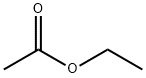
- 141-78-6
- C4H8O2
- 88.11
- All (39)
- China (31)
- (39)
- 114554-35-7
- C10H13ClO2
- 200.66200
- All (0)
- China (0)
- (0)
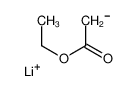
- 189811-59-4
- C4H7LiO2
- 94.03820
- All (0)
- China (0)
- (0)
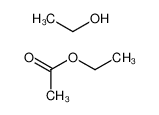
- 117204-61-2
- C6H14O3
- 134.17400
- All (0)
- China (0)
- (0)
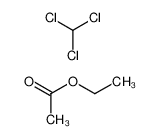
- 62018-65-9
- C5H9Cl3O2
- 207.48300
- All (0)
- China (0)
- (0)
- 914771-42-9
- C5H12O3
- 120.14700
- All (0)
- China (0)
- (0)
- 75234-34-3
- C31H38O8
- 538.62900
- All (0)
- China (0)
- (0)
- 84508-45-2
- C4H8O2
- 90.12000
- All (0)
- China (0)
- (0)
- 90691-33-1
- C4H5D3O2
- 91.12360
- All (0)
- China (0)
- (0)
- 112613-77-1
- C12H15NO4
- 237.25200
- All (0)
- China (0)
- (0)
Related Products More >

- 141-78-6
- Request For Quotation
- 79-20-9
- CNY 4500.0000
- 1ton
- 141-78-6
- CNY 5000.0000
- 1ton
- 165668-41-7
- Request For Quotation
- 5kg
- 165668-41-7
- Request For Quotation
- 1kg
- 165668-41-7
- Request For Quotation
- 100g
- 165668-41-7
- Request For Quotation
- 10kg
- 165668-41-7
- Request For Quotation
- 10g


Long-term animal studies on ethyl acetate’s carcinogenicity are limited, but available evidence does not support carcinogenic potential. For instance, the U.S. Environmental Protection Agency (EPA) notes that ethyl acetate has not been assessed for carcinogenicity under its IRIS program, indicating insufficient data to establish a cancer classification . In contrast, studies on structurally related compounds like ethyl acrylate (a different ester) show carcinogenic effects in animals, but ethyl acetate’s metabolic pathways and toxicity profile differ significantly .
While ethyl acetate is not classified as a carcinogen, specific exposure scenarios—particularly industrial inhalation—pose risks of acute toxicity. OSHA sets a permissible exposure limit (PEL) of 400 ppm (8-hour TWA) to prevent irritation of the respiratory tract, eyes, and skin, as well as central nervous system effects like dizziness or drowsiness . High-concentration exposures in poorly ventilated industrial settings (e.g., paint manufacturing, printing, or adhesive use) may exacerbate these effects, though no epidemiological studies link such exposures to cancer .
Looking at the results of long-term animal studies, there is no evidence that ethyl acetate causes cancer in animals. For example, studies conducted over extended periods with controlled exposure to ethyl acetate have not shown any significant increase in tumor formation or other cancer-related outcomes. This is a critical point because it helps to dispel misconceptions about the potential health risks associated with ethyl acetate exposure. The lack of carcinogenic effects in animal studies is a strong indicator that ethyl acetate is not a significant cancer risk for humans.
Regarding specific exposure scenarios, such as industrial inhalation, it is important to note that while ethyl acetate is not considered a carcinogen, high concentrations of its vapor or mist can be harmful if inhaled. This can lead to respiratory tract irritation and other central nervous system effects. However, this does not equate to an increased risk of cancer. Industrial settings often have strict safety protocols in place to limit exposure to ethyl acetate and other chemicals. These protocols include proper ventilation, the use of personal protective equipment, and adherence to exposure limits set by regulatory agencies.
When comparing ethyl acetate to other solvents like benzene, the difference in carcinogenic potential is significant. Benzene is a well-known carcinogen and is classified as such by IARC and OSHA. Ethyl acetate, on the other hand, does not have the same level of carcinogenic potential. In fact, it is not listed by IARC, OSHA, or other authoritative bodies as a carcinogen. Therefore, in terms of carcinogenic potential, ethyl acetate is considered much safer than benzene.
Compared to benzene—a known Group 1 carcinogen —ethyl acetate poses negligible carcinogenic potential. Benzene causes leukemia and other hematopoietic cancers by damaging DNA and disrupting bone marrow function . In contrast, ethyl acetate lacks genotoxic properties and has no established mechanism for initiating or promoting cancer. Even at high doses, its toxicity profile centers on organ irritation and narcotic effects rather than malignant transformation .
Long-term animal studies have produced mixed but generally non-conclusive results regarding ethyl acetate's carcinogenic potential. In rodent models, particularly rats and mice, high-dose inhalation studies have occasionally shown increased incidence of forestomach tumors. However, these findings must be interpreted cautiously due to important biological differences between rodents and humans. The forestomach, where these tumors typically developed, is a structure absent in humans, raising questions about the direct relevance of these findings to human health. Other studies examining different exposure routes and organ systems have generally failed to demonstrate consistent carcinogenic effects. The lack of clear dose-response relationships and the absence of tumor development in other species further complicate the assessment.
Specific occupational exposure scenarios warrant particular attention. Industrial workers in sectors such as printing, adhesives manufacturing, and food processing may encounter elevated ethyl acetate concentrations, particularly in poorly ventilated environments. While acute effects like respiratory irritation and central nervous system depression are well-documented at high exposure levels, the potential for chronic health effects remains under investigation. Notably, the solvent's relatively rapid evaporation rate and metabolism to non-toxic byproducts (acetic acid and ethanol) may mitigate some long-term risks, though this remains an area of active research.
When compared to benzene, ethyl acetate's carcinogenic profile appears markedly less concerning. Benzene's well-established mechanism of action involves the formation of reactive metabolites that directly damage DNA and disrupt hematopoietic stem cells, leading to leukemia. In contrast, ethyl acetate lacks such a clearly defined carcinogenic pathway. Its metabolism primarily produces substances already present in normal human physiology, reducing the likelihood of genotoxic effects. This fundamental difference explains the stark contrast in regulatory classifications between the two solvents, with benzene facing much stricter controls due to its proven carcinogenicity.