


 Home
Home
Grandma swears by it, the pediatrician says “maybe.” 1) Does it fight Candida or just soothe? 2) How to apply without clogging diaper? 3) Safe on broken skin? 4) Combine with zinc oxide cream? 5) Any signs to stop and call the doctor? Appreciate any help!!!
Is coconut oil good for diaper rash, or does it trap moisture and worsen yeast?
Related Encyclopedia
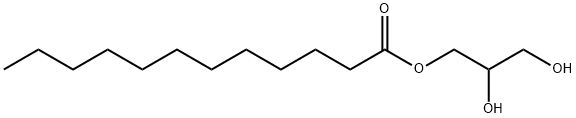
- 142-18-7
- C15H30O4
- 274.4
- All (4)
- China (2)
- (4)
- 315710-06-6
- C36H71NO3
- 565.95400
- All (4)
- China (0)
- (4)
- 104404-17-3
- C34H66NO3R
- 536.89
- All (4)
- China (0)
- (4)
- 958867-33-9
- C25H49NO2
- 395.66200
- All (4)
- China (0)
- (4)
- 55621-34-6
- C32H62O7
- 558.83000
- All (84)
- China (21)
- (84)

- 143-07-7
- C12H24O2
- 200.32
- All (84)
- China (21)
- (84)
- 67629-40-7
- C30H49ClO3
- 493.16100
- All (38)
- China (12)
- (38)

- 59-02-9
- C29H50O2
- 430.71
- All (38)
- China (12)
- (38)

- 79434-83-6
- C29H50O2
- 430.70600
- All (38)
- China (12)
- (38)

- 2074-53-5
- C29H50O2
- 430.71
- All (38)
- China (12)
- (38)
Related Products More >

- CNY Request For Quotation
- CNY Request For Quotation
- 86701-10-2
- Request For Quotation
- 85305-87-9
- Request For Quotation
- 25kg/drum
- 85305-87-9
- Request For Quotation
- 1kg/bag,25kg/drum,25kg/bag
- 85305-87-9
- Request For Quotation
- kg
- 40738-26-9
- Request For Quotation
- 25kg
- 34435-05-7
- Request For Quotation


Core Concept Definition
Diaper rash is skin irritation caused by prolonged contact with moisture, friction, and irritants. Coconut oil contains fatty acids with antibacterial and antifungal properties and acts as an emollient.
Related Issues
While effective in mild cases, coconut oil is not a medicated treatment and should not replace prescribed creams for severe infections or dermatitis. Allergy testing is advisable before use.
Applications and Precautions
In practical infant care, coconut oil can be applied after diaper changes to soothe and protect the skin. Its moisturizing effect helps prevent dryness and cracking. Parents should monitor rash progression and seek medical advice if symptoms worsen.
Recommendations
Coconut oil can be integrated into diaper rash care routines as a complementary treatment. Its natural origin makes it appealing for sensitive skin. Healthcare providers should guide caregivers on proper use and when to escalate treatment.
Classification and Analysis
The medium-chain fatty acids, especially lauric acid, in coconut oil contribute to antibacterial and antifungal effects that help prevent infection in irritated skin. From a chemical formulation standpoint, coconut oil is a lipid barrier agent that locks in moisture and protects sensitive skin from irritants.
Case Support
Clinical and consumer product trends indicate coconut oil’s effectiveness in mild diaper rash management. For instance, several pediatric skincare brands now include coconut oil in diaper rash creams. Studies have demonstrated its ability to reduce redness and inflammation while improving skin hydration.
Solutions and Recommendations
For product developers, coconut oil can be combined with other soothing agents like zinc oxide or calendula extract to enhance efficacy. Parents should apply a thin layer after cleansing the area thoroughly. Caution is advised for infants with known allergies or severe rash requiring medical treatment.