


 Home
Home
Hi, I'd like to ask—how much do composite resin fillings, which contain acrylate compounds, usually cost? Do prices vary between dental practices in different regions? Does the amount of composite resin used in the filling impact the total cost? Are there extra charges for procedures like cavity preparation before filling? Thanks!
How much do composite resin fillings made of acrylate compounds cost in various dental practices?
Related Encyclopedia
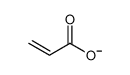
- 10344-93-1
- C3H3O2-
- 71.05470
- All (1)
- China (0)
- (1)
- 114044-45-0
- C15H11NO3
- 253.25300
- All (0)
- China (0)
- (0)
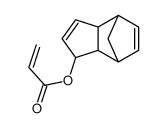
- 50976-02-8
- C13H14O2
- 202.24900
- All (0)
- China (0)
- (0)
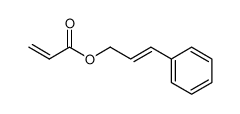
- 128638-89-1
- C12H12O2
- 188.22200
- All (0)
- China (0)
- (0)
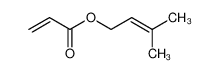
- 72879-37-9
- C8H12O2
- 140.18000
- All (0)
- China (0)
- (0)
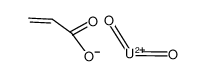
- 116390-44-4
- C3H3O4U+
- 341.08200
- All (0)
- China (0)
- (0)
- 31566-60-6
- C14H5FeO2
- 261.03300
- All (0)
- China (0)
- (0)
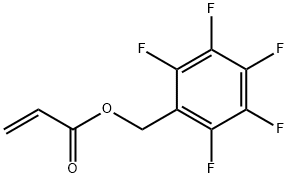
- 153614-61-0
- C10H5F5O2
- 252.14
- All (0)
- China (0)
- (0)
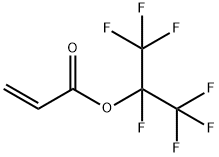
- 13057-08-4
- C6H3F7O2
- 240.08
- All (0)
- China (0)
- (0)
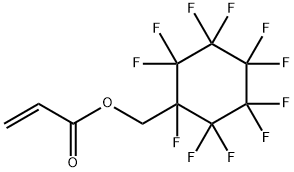
- 40677-94-9
- C10H5F11O2
- 366.13
- All (0)
- China (0)
- (0)
Related Products More >

- 14643-87-9 Zinc acrylate
- CNY Request For Quotation
- 818-61-1
- CNY Request For Quotation
- 818-61-1
- CNY Request For Quotation
- 6701-13-9
- Request For Quotation
- 72829-09-5
- Request For Quotation
- 96-33-3
- CNY 8500.0000
- 11ton
- 141-32-2
- CNY 4000.0000
- 1ton
- 80-62-6
- CNY 9000.0000
- 1ton


Regional differences significantly affect what you’ll pay. Dental practices in big cities with high living costs, such as New York City or San Francisco, may charge 30 to 50 percent more than those in small towns or rural areas. Offices in more affluent neighborhoods also tend to set higher fees, reflecting local economic factors.
The amount of resin used directly impacts the total cost. Larger cavities need more material and take longer to treat, so they naturally cost more. Some dentists charge based on the number of tooth surfaces involved, with each surface ranging from $100 to $200, while others use a flat rate for the entire filling.
Basic cavity preparation, like removing decay, is usually included in the filling cost, so extra charges for that are rare. But if the cavity is deep and needs a liner or base to protect the tooth’s pulp, you might add $50 to $100. If decay has reached the nerve, a root canal could be necessary, which costs $500 to $1,500. Insurance plans often cover 50 to 80 percent of composite fillings, though some consider them cosmetic and offer less. Uninsured patients can check dental schools or community clinics for lower rates.
Regional price variations are significant across different states and even between neighboring cities. Dental insurance plans may cover a portion of the cost, typically reimbursing between 50% to 80% of the procedure fee when classified as a basic service. Patients without insurance should expect to pay the full amount out-of-pocket, though many practices offer payment plans or discounts for cash payments. The type of dental practice also influences pricing - specialty clinics and those affiliated with teaching universities may charge differently than general family dental offices.
The amount of composite resin required directly affects the total cost of the filling. Small Class I cavities might use only 0.5 to 1.0 grams of material, while larger Class II restorations on molars could require 2.0 grams or more. Premium resin materials with enhanced aesthetic properties or durability often come at a higher per-unit cost. Dentists must calculate material expenses when providing estimates, which explains why posterior fillings generally cost more than anterior ones. Complex cases involving multiple tooth surfaces or difficult access areas may further increase material usage and procedural time.
Additional charges frequently apply for preparatory procedures before filling placement. Cavity preparation typically includes decay removal, tooth structure shaping, and sometimes pulp protection measures. These steps require specialized instruments and clinical time, with preparation fees ranging from 50 to 200 depending on complexity. Some practices include preparation costs in the total filling fee, while others itemize them separately on treatment plans. Cases requiring additional procedures like local anesthesia administration or dental dam placement will incur extra charges, usually 20 to 50 per service.
The dentist's level of experience and specialization impacts pricing as well. Endodontists or prosthodontists might charge premium rates for composite restorations compared to general dentists. Patients should inquire whether their insurance plan covers composite fillings, as some policies specifically reimburse only for amalgam restorations. The timing of the procedure also affects costs - emergency treatments or after-hours appointments often carry surcharges. Finally, geographic variations in dental supply costs and state dental fee schedules contribute to regional price differences that patients should consider when budgeting for dental care.
In different regions, the cost of composite resin fillings can fluctuate widely. For example, in urban areas with higher cost of living, such as New York City or San Francisco, the price may range from $200 to $300 per tooth. In contrast, smaller towns or rural areas might offer the same service for as low as $100 to $150 per tooth. Internationally, costs can also differ substantially. In countries with lower healthcare costs, such as Mexico or India, composite resin fillings might be available for significantly less than in the United States or Western Europe.
The amount of composite resin used in the filling procedure directly affects the total cost. Larger cavities that require more material will generally result in a higher overall expense. Additionally, the number of tooth surfaces being filled is another factor. For instance, a single-surface filling might cost around $120 to $180, while a multi-surface filling could range from $180 to $250 or more.
Cavity preparation, which involves removing decay and shaping the tooth for the filling, is usually included in the cost of the procedure. However, additional procedures such as root canal therapy or extensive tooth restoration may incur extra charges. Insurance coverage can also play a significant role in the final out-of-pocket expense for the patient. Many dental insurance plans cover a portion of the cost of composite resin fillings, though the extent of coverage can vary widely.
It is important for patients to understand that while composite resin fillings are generally more expensive than traditional amalgam fillings, they offer several advantages, including better aesthetics and a more conservative approach to tooth preparation. These factors, combined with the durability and longevity of composite resin fillings, make them a popular choice for dental restorations.
Regional differences play a role in pricing. Dental practices in cities often charge more than those in smaller towns, tied to higher costs for space, supplies, and local demand.
The size of the filling matters for the total cost. Larger cavities need more resin, which means more material and longer time to apply, pushing the price up compared to small, simple fillings.
Additional steps before placing the filling can add costs. Cleaning out decay, shaping the area, or using bonding agents to help the resin stick might be extra. Some dentists wrap these into the filling price, but others list them separately, so checking ahead is useful.