


 Home
Home
Hello, I want to ask about the chemical formula for phosphoric acid. What elements does it contain? How does it affect human health? Are there any risks related to phosphoric acid exposure or consumption? What precautions should I take?
What is the chemical formula for phosphoric acid and how does it relate to human health?
Related Encyclopedia
- 141249-01-6
- H4P6
- 189.87400
- All (2)
- China (2)
- (2)
- 145491-55-0
- P8
- 247.79000
- All (2)
- China (2)
- (2)
- 141248-98-8
- P6
- 185.84300
- All (2)
- China (2)
- (2)
- 141249-00-5
- P6
- 185.84300
- All (2)
- China (2)
- (2)

- 78998-14-8
- P8
- 247.79000
- All (2)
- China (2)
- (2)

- 7723-14-0
- P
- 30.97
- All (2)
- China (2)
- (2)
- 145491-56-1
- P8
- 247.79000
- All (2)
- China (2)
- (2)
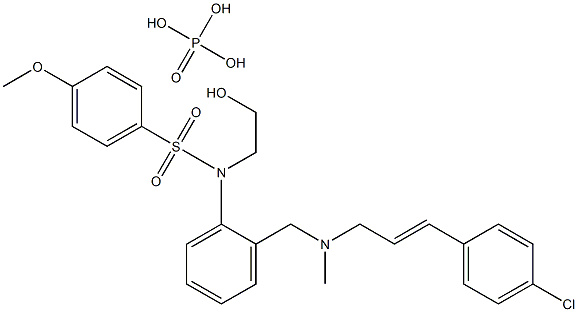
- 1188890-41-6
- C26H32ClN2O8PS
- 599.032641
- All (0)
- China (0)
- (0)
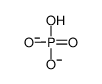
- 14066-19-4
- HO4P
- 95.97930
- All (1)
- China (0)
- (1)

- 7782-44-7
- O2
- 32
- All (1)
- China (1)
- (1)
Related Products More >

- 10124-56-8
- CNY Request For Quotation
- 7664-38-2
- CNY Request For Quotation
- 7722-88-7
- CNY Request For Quotation
- 7722-88-6
- CNY Request For Quotation
- 7722-88-5
- CNY Request For Quotation
- 7758-16-11
- CNY Request For Quotation
- 7758-16-10
- CNY Request For Quotation
- 7758-16-9
- CNY Request For Quotation


In the human body, phosphoric acid and its derivatives play important roles, especially in energy metabolism and bone health. It is a key component of phosphate buffers that help maintain the body's pH balance, and phosphate groups are integral to molecules like ATP (adenosine triphosphate), which provides energy for cellular functions. Disruption in phosphate levels or acid-base balance can affect physiological processes, potentially leading to metabolic disturbances.
Clinically, excessive intake or exposure to phosphoric acid—commonly found in sodas and certain food additives—may contribute to dental erosion, bone demineralization, or kidney issues if consumed in large amounts over time. Patients with kidney disease or osteoporosis should monitor their phosphate intake carefully. For safe management, it is recommended to maintain a balanced diet, avoid excessive consumption of phosphate-containing products, and follow medical guidance for conditions affecting phosphate metabolism.
In medical treatments, phosphate salts derived from phosphoric acid may be used as supplements or medications to correct phosphate deficiencies under supervision.
Phosphoric acid is a widely studied inorganic acid with the chemical formula H3PO4. This formula indicates that each molecule contains three hydrogen atoms (H), one phosphorus atom (P), and four oxygen atoms (O). Understanding its structure and properties is fundamental to grasping how it behaves chemically.
Structurally, phosphoric acid consists of a central phosphorus atom bonded covalently to four oxygen atoms in a tetrahedral arrangement. Three of these oxygens are also bonded to hydrogen atoms, forming hydroxyl groups (-OH), while the fourth oxygen forms a double bond with phosphorus. The presence of these hydroxyl groups contributes to the acid’s ability to donate protons (H⁺) in aqueous solutions, classifying it as a triprotic acid. This means phosphoric acid can lose up to three protons through stepwise dissociation, leading to different phosphate ions (H2PO4⁻, HPO4²⁻, PO4³⁻).
The bonds in phosphoric acid are predominantly polar covalent. The P=O double bond and the P–O single bonds have different bond strengths and polarities, influencing the molecule’s overall reactivity and acidity. The molecule’s polarity makes it highly soluble in water and reactive in aqueous environments.
From a stability standpoint, phosphoric acid is stable under normal laboratory and industrial conditions, although it can dehydrate to form polyphosphoric acids at elevated temperatures. It is commonly used in fertilizers, food additives (as an acidulant), rust removal, and industrial chemical synthesis, illustrating its versatile applications.
The acid’s ability to donate multiple protons makes it valuable in buffering systems and pH regulation. In laboratory experiments, understanding its dissociation constants is crucial when preparing buffer solutions or studying acid-base equilibria.
Given these features, a stimulating question arises: How does the triprotic nature of phosphoric acid influence its role in biological systems compared to monoprotic acids like hydrochloric acid?
Here’s the science: Unlike super-strong acids like HCl, phosphoric acid is a weak but triprotic acid. It can donate up to three H⁺ ions, but does so step-by-step (like a slow-release energy drink for chemical reactions). This makes it less aggressive but still handy for tasks like adjusting pH.
Real-life example: Ever notice how cola tastes sharp and slightly sour? That’s phosphoric acid at work! It’s added to sodas for flavor and to prevent microbial growth (like a tiny acid shield). But beware—too much can erode tooth enamel over time (dentists cringe!).
Pro tip: If you’re using phosphoric acid for DIY projects (like cleaning rust or etching metals), dilute it with water first (check the label for ratios). Wear gloves and goggles—even weak acids can irritate skin. And skip the cola binge if you want to keep your teeth happy!
Bonus fact: Your body uses phosphoric acid (from foods like dairy and meat) to build strong bones and teeth. But balance is key—processed foods often pack excess phosphoric acid, which can mess with calcium absorption. Science: always a game of checks and balances! ???
Why the formula matters: The three hydrogen atoms in H₃PO₄ are what make it acidic, but unlike strong acids (like HCl), phosphoric acid only releases a few hydrogen ions (H⁺) when mixed with water. This partial dissociation is why it’s “weak”—it’s less reactive, making it safer for some household uses but not entirely risk-free.
Factors affecting its impact: Where it comes from and how it’s used matter. Phosphoric acid is found in some soft drinks (to add tartness), rust removers, and even certain food additives. In drinks, it’s highly diluted (around 0.5%), but in cleaning products, it can be more concentrated (5–10%), which increases its ability to irritate skin or damage surfaces with prolonged contact.
People with sensitive skin or kidney issues should be cautious: the phosphorus in H₃PO₄ can strain kidneys if consumed in large amounts, and concentrated solutions can dry out or irritate skin, especially in kids.
Common myths? Myth 1: “Weak acid means it’s totally safe.” Even H₃PO₄ can erode tooth enamel over time if sipped regularly (like sugary drinks) or cause skin irritation in concentrated form. Myth 2: “It’s only in industrial products.” Many everyday items—from cola to metal cleaners—contain it, so checking labels is key.
Family-friendly tips:
Limit soft drinks with phosphoric acid, especially for kids—water or milk are better for teeth and overall health.
If using H₃PO₄-based cleaners, wear gloves and rinse skin immediately if it touches you. Store them in a locked cabinet.
Opt for natural alternatives: lemon juice (citric acid) works well for mild rust or cleaning, avoiding the need for phosphoric acid.
Understanding H₃PO₄’s formula helps you recognize it in products and use it (or avoid it) wisely, keeping your family safe and healthy.