


 Home
Home
Hello, I’m curious about how much fiber is contained in one teaspoon of Metamucil. Could you explain its effects on digestion and heart health? Also, what precautions should be taken when using it, and are there alternative fiber sources?
What Is the Amount of Fiber in 1 Teaspoon of Metamucil and How Does It Affect Health?
Related Encyclopedia

- 8063-16-9
- C33H66O2
- 494.87594
- All (0)
- China (0)
- (0)
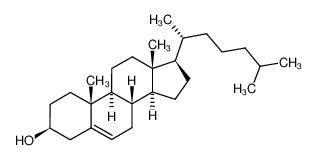
- 57-88-5
- C27H46O
- 386.65400
- All (44)
- China (23)
- (44)
- 80356-14-5
- C27H46O
- 386.65400
- All (44)
- China (23)
- (44)

- 65997-17-3
- CaNaO4P
- 158.039131
- All (3)
- China (0)
- (3)

- 14546-23-7
- C29H51N
- 413.72200
- All (0)
- China (0)
- (0)

- 57700-98-8
- C31H48N2OS
- 496.79100
- All (0)
- China (0)
- (0)
- 475-32-1
- C27H46O
- 386.66000
- All (0)
- China (0)
- (0)
- 137056-72-5
- C32H56N2O2
- 500.79900
- All (0)
- China (0)
- (0)
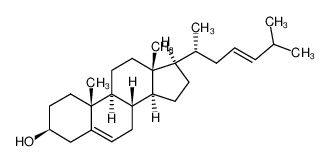
- 58507-61-2
- C27H44O
- 384.63800
- All (0)
- China (0)
- (0)
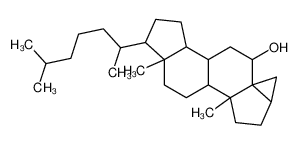
- 465-54-3
- C27H46O
- 386.65400
- All (0)
- China (0)
- (0)
Related Products More >

- 919-30-2
- Request For Quotation
- 9028-76-6
- Request For Quotation
- 9028-76-6
- Request For Quotation
- 9028-76-6
- Request For Quotation
- 9028-76-6
- Request For Quotation
- 9026-00-0
- Request For Quotation
- 9026-00-0
- Request For Quotation
- 9026-00-0
- Request For Quotation


From a clinical perspective, adequate fiber intake through supplements like Metamucil can support digestive health and reduce risks of cardiovascular disease. However, it’s important to consume enough water along with fiber to prevent potential side effects such as bloating, gas, or even intestinal blockage in rare cases. Patients with certain medical conditions, like esophageal strictures or difficulty swallowing, should consult their healthcare provider before using psyllium-based supplements.
For managing fiber intake, it’s often recommended to gradually increase fiber consumption while maintaining good hydration. Alternatives to Metamucil include dietary sources such as fruits, vegetables, whole grains, and other fiber supplements like methylcellulose or inulin, which may be better tolerated by some individuals.
What affects the exact amount? The type of Metamucil matters. The sugar-free powder might have a tiny bit more fiber than the flavored versions, but it’s pretty consistent. Also, how you measure—packing the teaspoon tight vs. a loose scoop can add a gram or so, but don’t stress too much about it.
Common myths I hear? “Metamucil replaces eating veggies.” Nope! It’s a supplement, not a substitute. Whole foods like oats, beans, and veggies give you fiber plus vitamins and minerals. Another one: “More is better.” Taking more than the recommended 1–3 teaspoons a day can cause bloating or cramping—your gut needs time to adjust.
Who should care? Folks struggling with occasional constipation, or busy families who don’t get enough fiber from meals. But it’s not for everyone—kids under 6 should stick to smaller doses (check with a pediatrician), and if you have IBS, too much might make things worse.
Family-friendly tips:
Mix it right: Stir the teaspoon into a glass of water or juice quickly—if it sits, it gets thick and gloopy (kids hate that).
Pair it with food: Take it with a meal to avoid stomach upset, and drink extra water throughout the day (fiber needs water to work!).
Start slow: If you’re new, try half a teaspoon first for a few days, then bump up. This keeps bloating at bay.
Metamucil is a handy helper, but think of it as a little boost, not a fix-all. Add some berries to your cereal or a side of beans with dinner, and you’ll hit your fiber goals without the hassle. Simple, right?
Here’s the breakdown:
Per teaspoon: ~2.4g fiber (about 10% of your daily recommended intake if you’re aiming for 25–30g/day).
Flavor matters: Plain Metamucil has the same fiber content as flavored versions, but some add sugar (check labels!).
Why it works: Psyllium fiber absorbs water, forming a gel that softens stool and “sweeps” waste through your intestines—kind of like a sponge scrubbing a dirty dish!
Real-world example: Imagine your gut is a highway. Without enough fiber, traffic jams (constipation) happen. Metamucil’s fiber is like adding a lane—it keeps things moving smoothly! One teaspoon = one extra lane for your digestive “cars.” ??
Pro tip: Start with 1/2 teaspoon mixed into 8oz of water (too much too fast can cause bloating!). Gradually increase to 1–2 tsp daily, and drink plenty of water—fiber without fluids is like a dry sponge… useless and crumbly! ?✨
P.S. Fun fact: Psyllium fiber is also used in gluten-free baking to mimic wheat’s stretchy texture—it’s a kitchen and gut hero! ??
Psyllium fiber is considered soluble fiber because it dissolves or swells in water to form a gel-like substance. This swelling happens because of hydrogen bonding between the hydroxyl groups on the polysaccharides and water molecules. This gel formation is critical for its function—it helps trap water in the intestines, softening stool and aiding digestion. The chemical stability of these fibers in the digestive system means they are not broken down by human enzymes but fermented by gut bacteria, which can produce beneficial short-chain fatty acids.
From a practical chemistry and industrial standpoint, the extraction and drying of psyllium husk must maintain the integrity of these polysaccharide chains so the fiber can retain its gelling ability. Experimentally, the viscosity of psyllium solutions is often measured to assess fiber quality. In everyday applications, this explains why Metamucil and similar supplements can effectively support digestive health.