


 Home
Home
Hello, I want to ask about the typical amount of oxygen in the air. How much O2 in the air is considered safe? What happens if oxygen levels drop? Are there medical ways to manage low oxygen situations? Thanks for the advice!
What Is the Typical Percentage of Oxygen in the Air and How Much O2 in the Air Is Safe for Human Health?
Related Encyclopedia
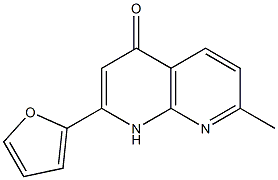
- 9008-02-0
- C13H10N2O2
- 226.2307
- All (1)
- China (0)
- (1)

- 201230-82-2
- CO
- 28.01010
- All (1)
- China (1)
- (1)
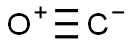
- 630-08-0
- CO
- 28.01
- All (1)
- China (1)
- (1)
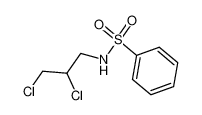
- 832-42-8
- C9H11Cl2NO2S
- 268.16014
- All (0)
- China (0)
- (0)
- 143385-86-8
- CArO
- 67.95810
- All (0)
- China (0)
- (0)

- 4906-87-0
- CH2O
- 32.02570
- All (0)
- China (0)
- (0)
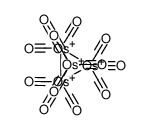
- 12375-04-1
- C12H8O12Os4
- 1101.07000
- All (0)
- China (0)
- (0)
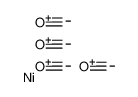
- 12612-55-4
- C4NiO4
- 170.73400
- All (0)
- China (0)
- (0)
- 35075-78-6
- CH3BO
- 42.04320
- All (0)
- China (0)
- (0)
- 158394-05-9
- CHNO4
- 91.02290
- All (0)
- China (0)
- (0)
Related Products More >

- 630-08-0
- Request For Quotation
- 1ton
- 9059-23-8
- Request For Quotation
- 9047-09-0
- Request For Quotation
- 9008-02-0
- Request For Quotation
- 1kg/bag;25kg/Cardboard Drum
- 9008-02-0
- Request For Quotation
- Bottle,barrel,cargo,container,etc.
- 9008-02-0
- Request For Quotation
- BAG or customized
- 9002-10-2
- Request For Quotation
- Bottle,barrel,cargo,container,etc.
- 82419-35-0
- Request For Quotation


Oxygen enters the lungs and diffuses into the bloodstream, where it binds to hemoglobin in red blood cells. This oxygen-rich blood then travels to tissues to fuel metabolic activities. If the oxygen level in the air decreases significantly—such as at high altitudes or in polluted environments—it can lead to hypoxia, a condition where body tissues don’t get enough oxygen. Symptoms of hypoxia include shortness of breath, fatigue, and confusion, which can be serious if untreated.
Certain medical conditions, like chronic obstructive pulmonary disease (COPD) or heart failure, make patients more sensitive to changes in oxygen availability. In such cases, supplemental oxygen therapy is often recommended to maintain adequate oxygen saturation levels. It's also important to avoid environments with low oxygen concentrations or high levels of carbon monoxide, which competes with oxygen for binding sites on hemoglobin, causing further risk.
To help manage oxygen levels, especially for vulnerable patients, regular monitoring with pulse oximetry and maintaining clean air environments are advisable. For those living at high altitudes or with respiratory illnesses, oxygen concentrators or tanks can be prescribed to ensure sufficient oxygen intake.
The O=O bond is nonpolar because the two oxygen atoms have the same electronegativity, so electrons are shared equally. This nonpolar nature contributes to its limited solubility in water and affects how oxygen interacts in biological and industrial processes. For example, in combustion reactions, oxygen molecules react with hydrocarbons, breaking their bonds and forming new ones, releasing energy.
Oxygen's stability and bonding also explain why it can support life—it's reactive enough to participate in essential processes like cellular respiration but stable enough not to decompose spontaneously. In industrial applications, pure oxygen is often used to increase reaction rates or improve efficiency, such as in steelmaking or wastewater treatment.
The amount of oxygen in the air can vary slightly due to altitude or pollution, affecting chemical reaction rates and living organisms’ metabolism. For example, at higher altitudes, reduced oxygen levels affect both chemical reactions and physiological functions, which is why climbers may experience fatigue.
From a chemical perspective, it’s fascinating how this simple molecule plays such a huge role. Its structure, bond type, and polarity all influence its behavior in both nature and technology.
Here’s the breakdown: Earth’s atmosphere is mostly nitrogen (78%), with oxygen making up the next biggest chunk (21%). The remaining 1%? Trace gases like argon, CO₂, and neon (yes, like neon signs!).
Real-world example: Imagine a giant party balloon filled with 100 gummy bears. If 78 are blue (nitrogen), 21 are red (oxygen), and 1 is a rainbow mix (other gases), that’s your air! Every time you inhale, your lungs are grabbing those red gummies to fuel your cells.
Pro tip: If you’re hiking at high altitudes (where O₂ levels drop), take it slow! Your body needs more breaths to grab the same amount of oxygen—kind of like trying to scoop water with a sieve. And if you’re ever in a stuffy room, open a window—fresh air = more O₂ for your brain! ?✨
P.S. Fun fact: Pure oxygen is great for hospitals but deadly for scuba divers below 20 feet—it becomes toxic! That’s why divers use “nitrox” (a mix of O₂ and nitrogen).
What affects that number? Well, it’s pretty steady outdoors, but indoors can be different. Stuffy rooms with lots of people (like a packed living room during a party) can drop it a tiny bit—maybe to 20%—because we’re all breathing in O₂ and exhaling CO₂. High altitudes, like mountains, have less O₂ overall. At the top of a 10,000-foot peak, it’s more like 14%—that’s why you might feel winded faster.
Common myths? Oh, I’ve heard a few. Like, “Oxygen is the main gas in air.” Nope—nitrogen is about 78%, way more than O₂. Another one: “Breathing pure O₂ (100%) is good for you.” Not really! Unless you’re sick and a doctor prescribes it, too much O₂ can damage your lungs over time.
Who cares? Everyone, but especially folks with lung issues (like COPD) or small kids. Their bodies are more sensitive to dips in O₂. If your home feels stuffy, it’s not just uncomfortable—it might make everyone a little sluggish.
Family-friendly tips to keep O₂ levels good:
Open windows daily, even for 5 minutes. It lets fresh air in and swaps out stale air.
Skip those “oxygen bars” or supplements. Your body doesn’t need extra—21% is perfect.
If someone in the family uses medical oxygen, keep their equipment away from fire (O₂ makes flames burn hotter).
For high-altitude trips, take it easy the first day. Let everyone adjust to lower O₂ levels before hiking or running around.
Most days, you don’t need to think about O₂ levels. Just let fresh air flow, and your body will handle the rest. Simple as that!