


 Home
Home
Hello, I would like to understand if potassium hydroxide is safe for use at home or in medical treatments. What precautions should be taken? Are there any health risks from accidental exposure? What alternatives exist?
Is potassium hydroxide safe for use in medical and industrial applications?
Related Encyclopedia

- 12401-70-6
- HKO
- 56.10560
- All (43)
- China (34)
- (43)
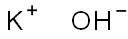
- 1310-58-3
- KOH
- 56.11
- All (43)
- China (34)
- (43)
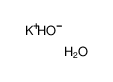
- 26288-25-5
- H3KO2
- 74.12090
- All (0)
- China (0)
- (0)
- 89091-89-4
- HK3O
- 134.30200
- All (0)
- China (0)
- (0)
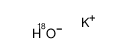
- 100330-18-5
- HKO
- 58.10540
- All (0)
- China (0)
- (0)
- 87208-53-5
- C44H28CdN4O-
- 741.13000
- All (0)
- China (0)
- (0)
Related Products More >

- 1310-58-3
- CNY 13.0000
- 25kg
- 1310-58-3
- USD 800.0000
- 25kg
- 1310-58-3
- Request For Quotation
- 1ton
- 1310-58-3
- Request For Quotation
- 1ton
- 1310-58-3
- Request For Quotation
- 1ton
- 1310-58-3
- Request For Quotation
- 1ton
- 1310-58-3
- Request For Quotation
- 25kg
- 1310-58-3
- Request For Quotation
- 1ton


Potassium hydroxide (KOH) is a highly caustic chemical that can be hazardous if not handled properly, but with appropriate precautions, it can be used safely in medical and industrial settings.
From a physiological perspective, potassium hydroxide is a strong base that dissociates completely in water, releasing hydroxide ions (OH⁻). These ions can cause severe chemical burns by breaking down proteins and lipids in tissues upon direct contact. Ingestion, inhalation, or skin exposure to concentrated KOH can lead to tissue damage, irritation, and systemic toxicity if absorbed in large amounts.
Clinically, exposure to potassium hydroxide can cause symptoms such as burning pain, redness, swelling, blistering, and in severe cases, deep tissue necrosis. Inhalation may irritate the respiratory tract, leading to coughing, difficulty breathing, or pulmonary edema. Chronic or repeated exposure can increase the risk of long-term damage. Immediate first aid, including flushing the affected area with copious amounts of water, is critical to reduce injury severity.
To manage risks, potassium hydroxide should only be used with appropriate personal protective equipment (PPE), such as gloves, goggles, and lab coats. In medical treatments, diluted KOH solutions may be used under strict supervision for specific dermatological applications, like wart removal, but always following professional guidance.
For patients or individuals concerned about exposure, alternatives with lower toxicity profiles are often recommended, and any accidental contact should be promptly treated by medical professionals to prevent complications.
Here’s why: Imagine dropping KOH on your hand. It reacts violently with fats and proteins in your skin, breaking them down into a gooey, painful mess (similar to how soap dissolves grease, but way more aggressive). In labs, even a tiny splash can leave deep burns that take weeks to heal.
Real-life example: KOH is used to make liquid soap (saponification), but workers handle it in thick gloves and goggles. If you’ve ever seen a “lye” warning on DIY soap recipes? That’s KOH or its cousin, sodium hydroxide (NaOH)—both can melt flesh if mishandled!
Pro tip: If you must work with KOH (e.g., for cleaning or experiments), wear nitrile gloves, goggles, and a lab coat, and keep a vinegar-soaked cloth nearby (acid neutralizes base in emergencies). If it touches skin, rinse with water for 15 minutes while removing contaminated clothes. And never mix it with acids (like vinegar) without proper training—it can explode!
Bonus fact: Your stomach acid (HCl) is strong, but KOH is so caustic it’s used to dissolve animal carcasses in forensic science. Science: always respect the power of chemicals! ??
Chemically, KOH consists of potassium ions (K⁺) and hydroxide ions (OH⁻). It is an ionic compound formed by the electrostatic attraction between the positively charged potassium ion and the negatively charged hydroxide ion. The ionic bond is strong, and KOH readily dissolves in water due to its high polarity and the ability of water molecules to stabilize the ions through hydration.
When dissolved, KOH dissociates completely, releasing free OH⁻ ions, which makes the solution highly alkaline with a high pH. This high alkalinity is responsible for its corrosive nature. The hydroxide ions react readily with acids in neutralization reactions, and with organic materials, they can break down proteins and lipids by hydrolysis. This reaction mechanism explains why KOH can cause chemical burns or damage tissues upon contact.
In terms of stability, solid KOH is hygroscopic, meaning it absorbs moisture from the air, and it must be stored in airtight containers. It is stable under normal conditions but reacts vigorously with acids and some metals.
From an experimental and industrial perspective, KOH is widely used for manufacturing soaps, detergents, and biodiesel, where its strong base properties are essential. However, because of its corrosive potential, safety measures such as using gloves, goggles, and proper ventilation are critical to prevent chemical burns or inhalation hazards.
In daily life, small amounts of diluted KOH may be used in cleaning agents, but users should always follow safety guidelines and avoid direct contact.
KOH is a strong base, often found in drain cleaners, soap-making kits, and some oven cleaners. Its job is to dissolve tough gunk (like hair or grease) by breaking down organic materials. But this strength is why caution is key: concentrated KOH can burn skin, irritate eyes, or damage surfaces like aluminum or fabric.
Factors that matter: Concentration is huge. Diluted KOH (like in some liquid soaps) is milder, but drain cleaners can be 30–50% pure—powerful enough to cause serious burns if left on skin. Kids and pets are more at risk because they’re curious and their skin is thinner, making irritation faster and more severe.
Common myths? Myth 1: “It’s safe because it’s in soap.” Soap-making uses diluted KOH, and the chemical reaction in soap-making neutralizes it. Raw KOH in cleaners is a different story. Myth 2: “Water washes it away instantly.” Rinsing quickly helps, but even a few seconds of contact with concentrated KOH can cause redness or blisters.
Family-friendly tips:
Check labels for “potassium hydroxide” or “KOH.” Choose drain cleaners with lower concentrations, or try enzyme-based alternatives (they’re gentler).
Wear gloves and eye protection when using KOH products. Keep kids/pets out of the room until you’re done and surfaces are rinsed.
If skin touches KOH, rinse with plenty of water for 15 minutes—don’t use acids to neutralize it, as that can cause more irritation.
KOH is useful for tough jobs, but respect its strength. With careful handling and smart product choices, you can keep your home clean and safe.