


 Home
Home
Hello, I’d like to ask: How can I tell if the olive oil I bought is authentic without special tools? Does authentic olive oil have a specific color or smell? Can I test it with something common in the kitchen, like the fridge?
How to tell if olive oil is authentic: What are the simple ways to check at home?
Related Encyclopedia
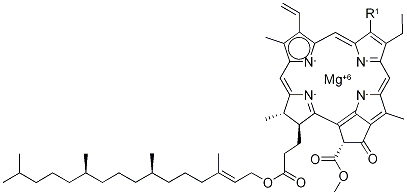
- 1406-65-1
- C54H69MgN4O5R+2
- 878.45446
- All (9)
- China (0)
- (9)
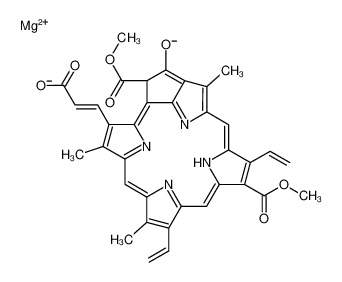
- 111308-93-1
- C36H28MgN4O7
- 652.93512
- All (0)
- China (0)
- (0)
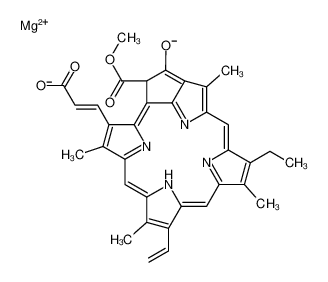
- 18901-56-9
- C35H30MgN4O5
- 610.94100
- All (0)
- China (0)
- (0)
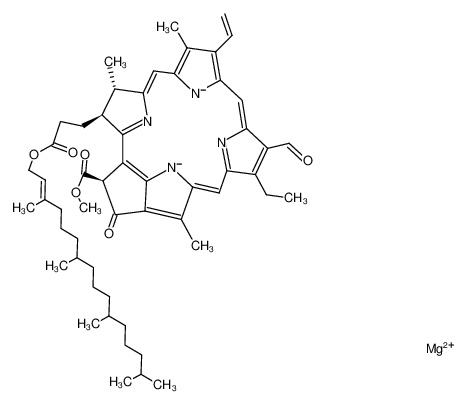
- 22309-14-4
- C55H70MgN4O6
- 907.47200
- All (0)
- China (0)
- (0)
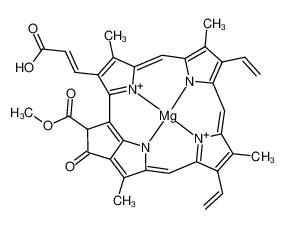
- 27736-03-4
- C35H28MgN4O5
- 608.92600
- All (0)
- China (0)
- (0)
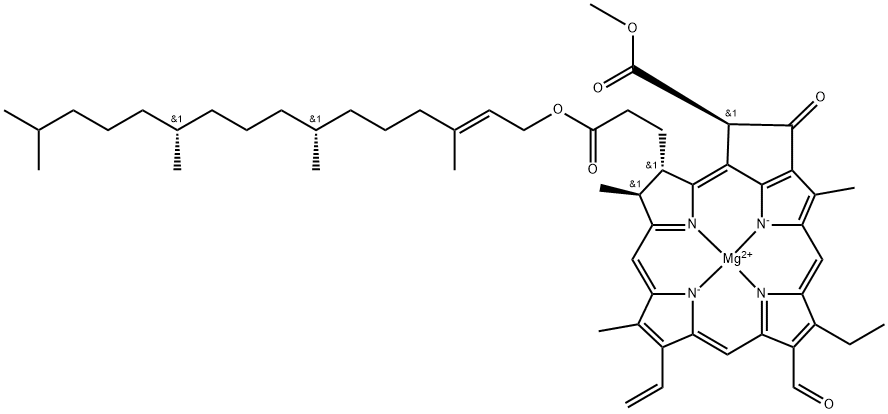
- 519-62-0
- C55H70MgN4O6
- 907.49
- All (0)
- China (0)
- (0)
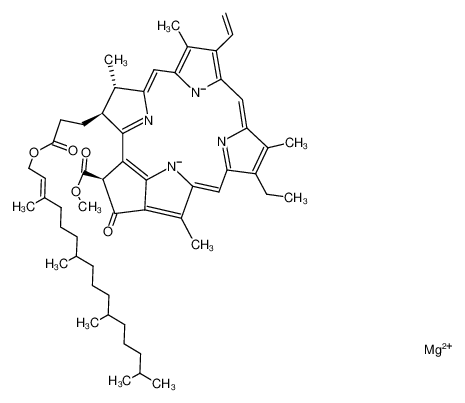
- 22309-13-3
- C55H72MgN4O5
- 893.48900
- All (0)
- China (0)
- (0)
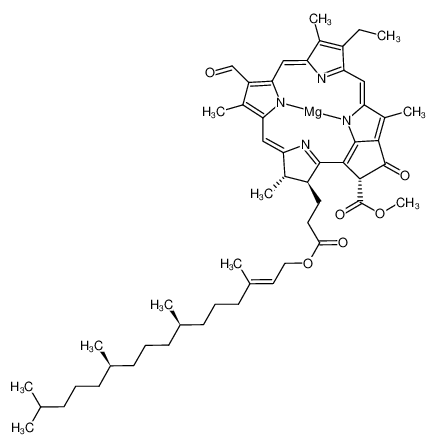
- 519-63-1
- C54H70MgN4O6
- 895.46200
- All (0)
- China (0)
- (0)
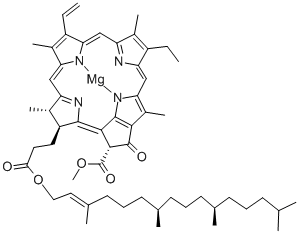
- 479-61-8
- C55H72MgN4O5
- 893.49
- All (8)
- China (6)
- (8)
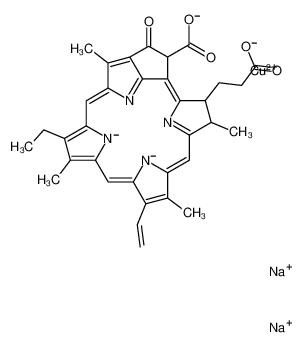
- 26061-35-8
- C34H30CuN4Na2O5
- 684.15100
- All (0)
- China (0)
- (0)
Related Products More >

- CNY Request For Quotation
- CNY Request For Quotation
- CNY Request For Quotation
- 989-51-5
- Request For Quotation
- 90028-20-9
- Request For Quotation
- 84650-60-2
- Request For Quotation
- 60-82-2
- Request For Quotation
- 479-61-8
- Request For Quotation
- 25kg/ea


Pour a little in a spoon and taste it. It should have a slight peppery or bitter kick at the back of your throat. No kick? Probably not the real deal.
Try the fridge test, too. Put a small bottle in the fridge for a few hours. Authentic olive oil will get cloudy or thicken, but it’ll go clear again when warm. If it stays runny, that’s suspicious. These little checks work for most cases—no fancy stuff needed!
Chemically, authentic olive oil is defined by a strict range of free fatty acid (FFA) content—typically below 0.8% for extra virgin (EVOO), the highest grade. Adulterated oils, often cut with seed oils, exhibit elevated FFAs due to hydrolytic degradation, a marker measurable via titration. Physically, its polyphenol profile (e.g., oleuropein) and chlorophyll derivatives contribute to stability; these antioxidants scavenge free radicals, explaining why authentic oil resists rancidity longer than refined alternatives.
Physiologically, the sensory attributes of authentic oil—bitterness from oleocanthal, pungency from phenols—arise from interactions with oral receptors. These compounds also underpin its medicinal value: oleocanthal mimics anti-inflammatory drugs like ibuprofen, while polyphenols support cardiovascular health, making adulteration not just a quality issue but a potential health risk.
Practical authentication integrates multiple methods. UV-visible spectroscopy identifies adulterants by measuring absorption peaks: seed oils lack the 270nm polyphenol signature. Gas chromatography (GC) separates fatty acids, exposing abnormal ratios (e.g., high linoleic acid from sunflower oil adulteration). Physically, the cold test exploits triglyceride crystallization: authentic oil’s high monounsaturated fatty acids (oleic acid ~70%) cause clouding at 4–7°C, whereas adulterants with more polyunsaturates remain liquid.
Beyond the kitchen, authenticity impacts industries: food manufacturers relying on genuine oil for functional claims (e.g., “heart-healthy”) face legal repercussions for adulteration. In medicine, standardized authentic oil is critical for clinical trials on its anti-cancer or metabolic benefits. For consumers, understanding these mechanisms transforms vague suspicions into evidence-based discernment, ensuring they reap both culinary and physiological rewards of this ancient lipid.
First, genuine extra virgin olive oil (EVOO) should have a fresh, fruity aroma with notes of grass, green apple, or artichoke, depending on the olive variety. It should also exhibit a peppery finish, which comes from polyphenols—natural antioxidants that indicate high quality. If the oil smells musty, rancid, or has no aroma at all, it’s likely oxidized or diluted with lower-grade oils. A simple at-home test involves tasting a small amount; authentic EVOO should leave a slight bitterness and pungency at the back of the throat.
Chemically, authentic olive oil has specific markers. Free fatty acid (FFA) levels should be below 0.8% for EVOO—higher values suggest poor handling or adulteration with refined oils. Additionally, UV absorbance tests (K270 and K232 values) detect improper processing or aging. While these tests require lab equipment, consumers can look for certifications like PDO (Protected Designation of Origin) or COOC (California Olive Oil Council), which enforce strict production standards.
In practical scenarios, price and packaging matter. Authentic olive oil is rarely cheap due to the labor-intensive harvesting process. Dark glass bottles or tin containers protect it from light degradation, whereas clear plastic is a red flag. For example, a study found that many supermarket brands labeled as "extra virgin" failed purity tests, often mixed with soybean or sunflower oil. Trusting reputable producers and checking for harvest dates (within 12-18 months) can help avoid counterfeit products.
Chemically, authentic extra virgin olive oil (EVOO) is characterized by a high content of monounsaturated fats, particularly oleic acid, which typically makes up 55% to 83% of its total fatty acid content. A precise fatty acid profile can be analyzed using gas chromatography (GC), a technique widely used in food laboratories to separate and identify compounds. Deviations from expected ratios — such as elevated levels of linoleic acid (common in sunflower oil) or altered sterol composition — often suggest adulteration. For example, campesterol levels above 4% may indicate the presence of other vegetable oils, as this sterol is tightly regulated in olive oil standards.
Beyond fatty acids, polyphenols such as hydroxytyrosol, oleuropein, and tyrosol contribute not just to olive oil’s health benefits and oxidative stability, but also serve as important chemical markers for authenticity and freshness. These compounds degrade over time or during refining processes, so their presence (and concentration) can indicate both the quality and whether the oil has been mixed with refined oils or subjected to heat treatments. Spectrophotometric analysis — especially measuring K232 and K270 absorption values — can detect oxidative degradation or refining residues, offering further insight into oil purity.
Professionally, sensory evaluation by trained panels (as defined by the International Olive Council, IOC) still plays a critical role. True extra virgin olive oil must be free of defects (such as rancidity or mustiness) and exhibit positive attributes like fruitiness, bitterness, and pungency. However, sensory analysis, while valuable, is inherently subjective and often must be paired with instrumental verification for legal or trade purposes.
It’s also important to distinguish between terms often confused by consumers — for instance, “cold-pressed” versus “first press” or “pure olive oil” versus “extra virgin.” The term “pure olive oil” is misleading, as it usually refers to a blend of refined and virgin olive oils. In contrast, extra virgin olive oil is mechanically extracted without chemical treatment and has the highest sensory and chemical quality. These distinctions are codified in standards by the IOC and the USDA, yet labeling practices vary widely by region and are often exploited in markets where regulatory enforcement is weak.