


 Home
Home
Hello, I want to ask where can you buy phosphoric acid legally and safely? What precautions should I take when handling it? Are there health risks if exposed accidentally or ingested?
Where Can You Buy Phosphoric Acid and What Should You Know About Its Safe Handling?
Related Encyclopedia
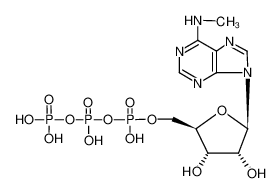
- 3130-39-0
- C11H18N5O13P3
- 521.20800
- All (0)
- China (0)
- (0)
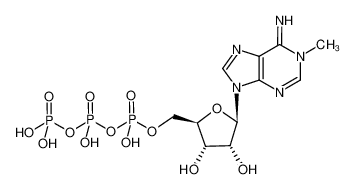
- 68643-11-8
- C11H18N5O13P3
- 521.20800
- All (0)
- China (0)
- (0)
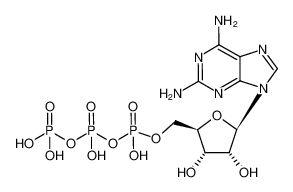
- 18549-34-3
- C10H17N6O13P3
- 522.19600
- All (0)
- China (0)
- (0)
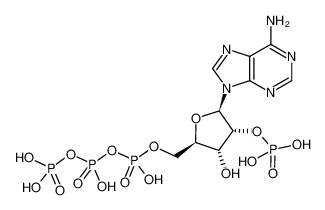
- 23339-43-7
- C10H17N5O16P4
- 587.16100
- All (3)
- China (0)
- (3)
- 64363-04-8
- C10H14N5O13P3--
- 505.16500
- All (3)
- China (0)
- (3)
- 64344-01-0
- C10H13N5O13P3---
- 504.15700
- All (3)
- China (0)
- (3)
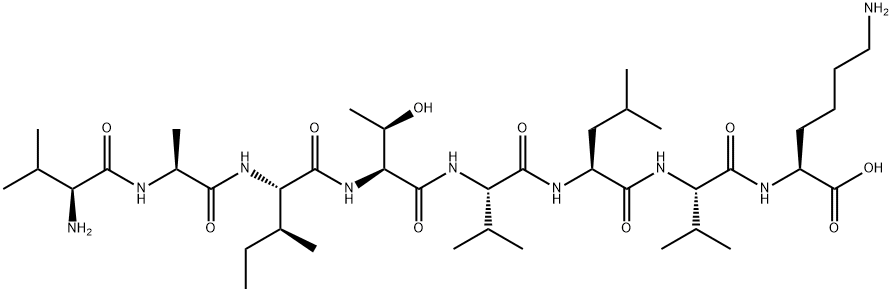
- 145224-99-3
- C40H75N9O10
- 842.08
- All (1)
- China (0)
- (1)
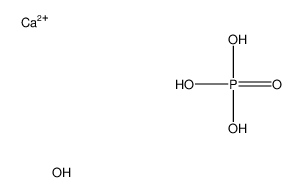
- 8011-76-5
- CaH6O8P2++
- 236.06800
- All (0)
- China (0)
- (0)
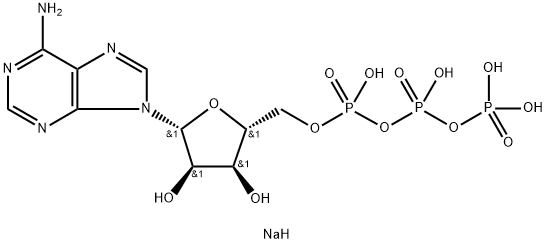
- 987-65-5
- C10H17N5NaO13P3
- 531.18
- All (0)
- China (0)
- (0)
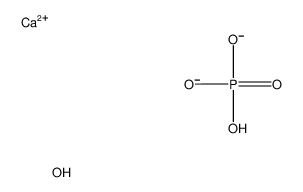
- 61461-43-6
- CaH3O8PS
- 234.13600
- All (0)
- China (0)
- (0)
Related Products More >

- 7778-54-3
- CNY Request For Quotation
- 7664-38-2
- CNY Request For Quotation
- 7757-93-11
- CNY Request For Quotation
- 7757-93-10
- CNY Request For Quotation
- 7757-93-9
- CNY Request For Quotation
- 10389-09-2
- CNY Request For Quotation
- 10389-09-1
- CNY Request For Quotation
- 10389-09-0
- CNY Request For Quotation


From a physiological perspective, phosphoric acid plays a role in the body’s biochemical pathways, including energy metabolism (as part of ATP) and bone mineralization. However, improper exposure to concentrated phosphoric acid can lead to chemical burns, respiratory irritation, or systemic toxicity if ingested or inhaled in large amounts. Patients should be aware of these risks and seek immediate medical attention if accidental exposure occurs.
Clinically, excessive intake of phosphoric acid—often through certain beverages like colas—may affect calcium balance and bone health, potentially increasing the risk of osteoporosis. Therefore, moderation and awareness of sources containing phosphoric acid are advised.
For safe use, patients or consumers should only handle phosphoric acid under proper safety guidelines and consider alternatives when appropriate. For industrial or laboratory use, always follow material safety data sheet (MSDS) recommendations and use personal protective equipment (PPE).
Here’s why it matters: Think of phosphoric acid like the “sour power” in cola. Food-grade versions (85% concentration) are used to add tanginess to drinks and snacks. Industrial-grade, on the other hand, is stronger and used for rust removal, metal cleaning, or even fertilizer production. Mixing them up could ruin your recipe or your tools!
Pro tip: If you’re buying it for DIY projects (like cleaning rusty tools), always wear gloves and goggles—even diluted, it can irritate skin and eyes. For food use, double-check the label says “food-grade” and avoid industrial-grade (which may have impurities). Store it in a cool, dry place away from kids and pets—this stuff is acidic enough to etch concrete!
Fun fact: Your stomach uses a similar acid (HCl) to dissolve food, but phosphoric acid is milder—hence its use in soft drinks. Science: always keeping things balanced (and tangy)! ??
What affects your choice? Concentration matters. Grocery store versions (like cola) have tiny amounts (0.05–0.5%)—safe in small sips but not for cleaning. Hardware store rust removers are stronger (5–10%)—good for metal but harsh on skin. Industrial-grade (over 50%) is sold online but rarely needed at home and risky to handle.
Who should be careful? Kids, who might grab acidic drinks, and people with kidney issues (excess phosphorus strains kidneys). Sensitive skin types, especially kids, can get irritated by concentrated solutions.
Common myths? Myth 1: “Cola is a good source for home projects.” No—you’d need gallons to get enough, and the sugar messes things up. Myth 2: “It’s safer than other acids.” Even dilute versions can erode teeth or irritate skin with repeated contact.
Family tips:
Skip buying concentrated phosphoric acid unless necessary. Lemon juice works for mild rust or cleaning.
If using rust removers, wear gloves and keep them away from kids/pets. Rinse tools thoroughly after use.
Limit cola (which has small amounts) for kids—opt for water or juice to protect teeth and kidneys.
Stick to what you need, handle with care, and prioritize gentler alternatives for a safer home!
Chemically, phosphoric acid features polar covalent bonds due to differences in electronegativity between phosphorus and oxygen atoms, and the presence of hydroxyl groups increases its polarity. This polarity contributes to its high solubility in water and its behavior as a strong acid in aqueous solutions. The molecule’s resonance stabilization across the phosphate group enhances its stability in various conditions, making it useful in both laboratory and industrial contexts.
Phosphoric acid is widely used in the food industry as an acidulant, in fertilizers as a phosphate source, and in rust removal products due to its ability to react with metal oxides. Because of its relatively stable chemical nature, it can be stored and handled with proper precautions.
For purchase, phosphoric acid is typically available from chemical suppliers, industrial distributors, and specialized laboratory supply companies. It is not usually sold in general retail stores due to its corrosive nature and regulatory restrictions. When buying phosphoric acid, it’s important to consider the concentration and intended use, as concentrated forms require careful handling and storage under safety protocols.
In the laboratory, phosphoric acid is used in buffer solutions and various chemical syntheses, where its controlled acidity is beneficial. Its triprotic nature allows it to participate in reactions at different pH ranges, making it versatile in analytical chemistry.