


 Home
Home
Hello, I’d like to ask about where to buy toluene safely, what it's commonly used for, and whether it poses any health risks if used at home. Can it be substituted with something less hazardous?
Where to Buy Toluene and Why You Should Think Twice Before Using It at Home
Related Encyclopedia
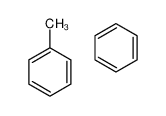
- 68953-80-0
- C13H14
- 170.25000
- All (0)
- China (0)
- (0)
- 64742-49-0
- N/A
- 112
- All (0)
- China (0)
- (0)
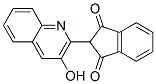
- 75216-45-4
- C18H11NO3
- 289.28
- All (0)
- China (0)
- (0)
- 64742-94-5
- C9
- 0
- All (22)
- China (4)
- (22)
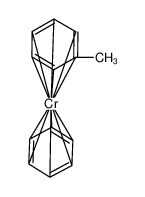
- 52487-38-4
- C13H3Cr
- 211.15900
- All (0)
- China (0)
- (0)
- 125995-89-3
- C5H6LiNP
- 118.02300
- All (22)
- China (20)
- (22)
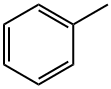
- 108-88-3
- C7H8
- 92.14
- All (22)
- China (20)
- (22)
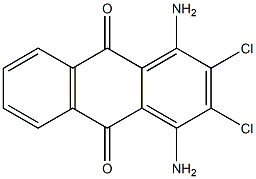
- 70956-27-3
- C14H8Cl2N2O2
- 307.13152
- All (0)
- China (0)
- (0)
- 74027-89-7
- C17H14N2O
- 262.30600
- All (0)
- China (0)
- (0)
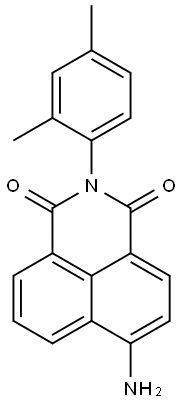
- 2478-20-8
- C20H16N2O2
- 316.35
- All (0)
- China (0)
- (0)
Related Products More >

- 526-73-8
- Request For Quotation
- 71-43-2
- CNY 6000.0000
- 1ton
- 93-46-9
- CNY 4500.0000
- 1ton
- 108-88-3
- CNY 5600.0000
- 1ton
- 108-90-7
- CNY 5000.0000
- 1ton
- 95-47-6
- CNY 1000.0000
- 1ton
- 71902-18-6
- Request For Quotation
- 25kg
- 71902-18-6
- Request For Quotation
- 1ton


Toluene is an aromatic hydrocarbon primarily used in industrial settings as a solvent in products like paint thinners, adhesives, and chemical syntheses. It is rapidly absorbed through inhalation, ingestion, or dermal exposure, and once in the body, it can cross the blood-brain barrier due to its lipophilic nature.
Toluene depresses the central nervous system (CNS) by altering neuronal membrane fluidity and disrupting neurotransmitter signaling. Short-term exposure can cause dizziness, headache, and confusion, while chronic or high-dose exposure may lead to memory impairment, cognitive decline, liver and kidney toxicity, and in severe cases, sudden death due to cardiac arrhythmias.
Inhalant abuse ("glue sniffing") involving toluene-containing products has been linked to serious neurotoxic effects, including cerebellar atrophy and peripheral neuropathy. Pregnant individuals exposed to toluene may face risks of fetal toxicity and developmental disorders.
Because of these dangers, toluene is classified as a hazardous material and regulated under various occupational and environmental safety guidelines. It should only be handled by trained professionals in laboratory or industrial settings with appropriate ventilation, personal protective equipment (PPE), and chemical storage protocols.
For any home project that may require a solvent, safer alternatives such as ethanol, acetone (with caution), or commercially available water-based products should be considered. These are less toxic and more appropriate for non-industrial use. Consumers should never attempt to purchase toluene from unauthorized sources or for non-professional use.
If exposure has occurred, individuals should seek immediate medical attention and avoid further contact. Symptoms following even minimal exposure should be monitored closely.
Here’s why it matters: Toluene is like the "vodka" of chemicals—it dissolves almost anything (paints, adhesives, even some stains), but you wouldn’t drink it! It’s used in labs, factories, and even DIY projects (like refinishing furniture), but handling it requires gloves and ventilation.
Pro tip: Never buy toluene from unverified sellers (e.g., random online marketplaces). Look for suppliers that provide SDS (Safety Data Sheets) and list purity levels (e.g., "99% ACS grade"). If you’re using it at home, start with a small bottle (100mL–1L) to test compatibility with your project.
Bonus hack: Store toluene in a cool, dark place (like a garage cabinet) away from heat or sparks—it’s flammable! And always label the container clearly to avoid mix-ups with other solvents. ??
Chemically, toluene (C₇H₈) consists of a benzene ring with a methyl group (–CH₃) substituted at one of the carbon positions. This gives toluene its identity as methylbenzene, an aromatic hydrocarbon. The molecule contains nonpolar covalent bonds, with delocalized π-electrons across the benzene ring contributing to its aromatic stability. The methyl group donates electron density through hyperconjugation and inductive effects, making toluene slightly more reactive than benzene in electrophilic aromatic substitution (EAS) reactions.
In terms of polarity, toluene is considered nonpolar, which explains its excellent ability to dissolve other nonpolar substances like oils, fats, and some polymers. This property is critical in paint thinners, adhesives, and industrial cleaning agents. However, due to its volatility and flammability, toluene must be handled under well-ventilated conditions, often in fume hoods or closed systems in labs.
From a chemical reactivity standpoint, the methyl group increases the reactivity of the ring toward electrophiles and directs substitution to the ortho and para positions. This characteristic is useful in synthetic organic chemistry when designing target molecules.
Because of toluene's health risks—especially neurotoxicity with prolonged inhalation exposure—it is regulated. Students and hobbyists must understand that while toluene can be legally purchased from chemical supply stores or hardware stores in small quantities (often as paint thinner), safety protocols and age restrictions may apply. In educational settings, it should be used only under supervision.
Toluene is typically sold through industrial suppliers, chemical supply stores, or online retailers that cater to professionals (like lab or manufacturing businesses). It’s also found in some consumer products—think paint thinners, nail polish removers, or adhesives—but these are blended with other ingredients, not pure toluene.
What affects safety? Pure toluene is highly toxic: Inhaling fumes can irritate lungs, cause dizziness, or harm the brain, especially in kids, pregnant people, or those with breathing issues. Even small amounts can be dangerous in poorly ventilated homes. How you use it matters too—no home project (like DIY crafts or furniture stripping) should require pure toluene; safer alternatives exist.
Common myths? Myth 1: “It’s easy to buy pure toluene at hardware stores.” Most hardware stores sell only diluted versions (like paint thinner) because pure toluene is regulated. Myth 2: “A little won’t hurt.” Toluene fumes linger, and repeated exposure builds up risks over time.
Family-friendly guidance:
Avoid pure toluene entirely for home use. For tasks like removing paint, opt for “low-VOC” or “toluene-free” thinners—check labels for “no toluene” or “plant-based.”
If you use products with toluene (like some nail polishes), work in a well-ventilated area, wear gloves, and keep kids/pets away.
Store any toluene-containing products in sealed containers, locked in a high cabinet—out of reach of curious hands (or paws!).
Toluene has its uses in industry, but homes are better off without it. Prioritize safer alternatives to keep your family’s air (and health) clean.