


 Home
Home
Hello, I would like to ask about the presence of hydrochloric acid in the stomach. How does it function in digestion? Can abnormal acid levels cause health problems? What treatments are available for acid-related stomach issues?
What is the role and function of hydrochloric acid in the stomach, and is hydrochloric acid in the stomach essential for digestion?
Related Encyclopedia
- 9001-75-6
- n.a.
- 0
- All (9)
- China (0)
- (9)

- 7647-01-0
- ClH
- 36.46
- All (25)
- China (20)
- (25)

- 101752-05-0
- CH5ClO
- 68.50280
- All (0)
- China (0)
- (0)

- 12015-40-6
- Cl2H2
- 71.91390
- All (0)
- China (0)
- (0)
- 19400-49-8
- ClH8O3
- 90.50680
- All (0)
- China (0)
- (0)
- 42348-42-5
- ClH2+
- 38.98180
- All (0)
- China (0)
- (0)
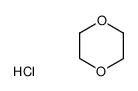
- 64990-51-8
- C4H9ClO2
- 124.56600
- All (0)
- China (0)
- (0)
- 160208-71-9
- CH3Cl3
- 121.39400
- All (0)
- China (0)
- (0)
- 1251166-15-0
- C5H5ClF3N3S
- 231.62700
- All (0)
- China (0)
- (0)
- 400090-61-1
- C5H11ClN2
- 134.60700
- All (0)
- China (0)
- (0)
Related Products More >

- 7647-01-0
- CNY 2000.0000
- 1ton
- 7647-01-0
- Request For Quotation
- 1ton
- 7647-01-0
- Request For Quotation
- 25kg
- 7647-01-0
- Request For Quotation
- 1kg
- 7647-01-0
- Request For Quotation
- 25kg
- 7647-01-0
- Request For Quotation
- 1ton
- 7647-01-0
- Request For Quotation
- 1kg
- 7647-01-0
- Request For Quotation
- 25kg


Hydrochloric acid is naturally present in the stomach and plays a crucial role in digestion and defense against pathogens.
In the stomach lining, specialized cells called parietal cells secrete hydrochloric acid (HCl), which creates a highly acidic environment with a pH ranging from 1 to 3. This acidity helps denature proteins in food, activates digestive enzymes like pepsin, and kills harmful microorganisms that enter the digestive tract. The production of gastric acid is regulated by neural and hormonal signals to maintain a balance necessary for digestion while protecting the stomach lining with mucus.
However, excessive or insufficient hydrochloric acid can lead to clinical problems. Overproduction may contribute to conditions like gastroesophageal reflux disease (GERD), peptic ulcers, or gastritis, causing discomfort, pain, and inflammation. Conversely, low acid levels (hypochlorhydria) may impair digestion and increase susceptibility to infections.
In managing such conditions, antacids, proton pump inhibitors, or H2 blockers are commonly used to reduce acid production and relieve symptoms. For low acid conditions, dietary adjustments and sometimes supplements may be recommended to aid digestion. It is important to consult healthcare professionals before starting treatment to ensure proper diagnosis and avoid adverse effects.
Hydrochloric acid forms when hydrogen chloride gas (HCl) dissolves in water. Industrially, this is done in controlled labs using specialized equipment to handle toxic fumes. At home, attempting this would require mixing strong chemicals (like sulfuric acid and salt) under high heat—reactions that release corrosive gas, burn skin, or even explode if not controlled.
Why home production is risky: Even small amounts of hydrogen chloride gas irritate lungs, eyes, and skin. Kids, pets, or anyone with asthma are especially vulnerable. The acid itself, once formed, eats through clothing, metal, and surfaces, making spills hazardous to clean up.
Common myths? Myth 1: “It’s easy with household items.” Mixing vinegar (a weak acid) and salt doesn’t make hydrochloric acid—it creates only trace amounts, not usable or safe concentrations. Myth 2: “Diluting it makes it harmless.” Even weak HCl can burn skin with prolonged contact and damage pipes if poured down drains.
When would you need it? You almost certainly don’t. Household cleaners with small amounts of HCl (like toilet bowl cleaners) are already diluted and regulated for safety. There’s no home task that requires making your own—store-bought versions, while still needing caution, are far safer than DIY attempts.
Family-friendly tips:
Never try to make it. If a project claims to need hydrochloric acid, find a safer alternative (e.g., baking soda for cleaning, citric acid for descaling).
Use store-bought HCl cleaners sparingly, following labels strictly: wear gloves, work in well-ventilated areas, and keep kids/pets away.
Store any HCl products in their original containers, locked in a high cabinet—out of reach of curious hands.
Hydrochloric acid is best left to professionals. For home use, stick to pre-made, regulated products (if necessary) and prioritize safety over DIY experiments.
Here’s how it works: Special cells in your stomach lining pump out HCl, lowering the pH to around 1-3 (super acidic—like battery acid levels!). This acid unravels proteins (think of it as “untangling spaghetti”) so enzymes can chop them into bite-sized pieces your body can absorb.
Real-life example: Ever had a burger sit in your stomach like a rock? If your HCl levels are low (common with aging or stress), food just… lingers. But when HCl is working, that burger dissolves into a soupy mix within hours. It’s like comparing a slow cooker to a blender!
Pro tip: If you suspect low stomach acid (symptoms: bloating, indigestion, feeling full for ages), skip the antacids—they’ll make it worse! Instead, try eating smaller meals, chewing thoroughly, or sipping apple cider vinegar (diluted!) before meals to gently boost acidity. And if problems persist, see a doc—it could be an underlying issue like H. pylori bacteria.
Bonus hack: Your stomach’s acid is so strong it could dissolve a razor blade… but don’t test that! Instead, marvel at how your body handles this chemical cauldron daily. Science is wild! ???
In the stomach’s acidic environment, HCl exists as an aqueous solution, where the released protons lower the pH to a highly acidic range (around 1-3). This high acidity facilitates the unfolding (denaturation) of proteins and activates the enzyme pepsinogen into pepsin, which helps break down proteins into peptides. The chloride ions also help maintain ionic balance but are largely spectators in the digestion process.
From a chemical stability standpoint, hydrochloric acid in the stomach is quite stable under normal physiological conditions. The gastric mucosa protects stomach tissue from acid damage by secreting a thick mucus layer. If this protective barrier is compromised, the acid’s corrosive nature can cause ulcers or irritation.
In industrial and laboratory settings, hydrochloric acid is widely produced by dissolving hydrogen chloride gas into water, mirroring the aqueous form found in the stomach. Its strong polarity and complete dissociation in water make it an effective reagent for acid-base reactions and pH adjustments.
One interesting question to consider is: how does the molecular behavior of hydrochloric acid in the complex biological environment of the stomach differ from its behavior in a simple aqueous solution in the lab? Understanding these differences can help bridge chemistry and biology.