


 Home
Home
Hello, I would like to ask where hydrochloric acid is produced in the body, how its production is regulated, and what health issues can arise from abnormal acid levels. Also, what are safe ways to manage acid-related conditions?
Where is hydrochloric acid produced in the human body, and how does it affect digestion and health?
Related Encyclopedia
- 9001-75-6
- n.a.
- 0
- All (9)
- China (0)
- (9)
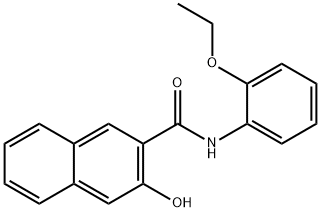
- 92-74-0
- C19H17NO3
- 307.34
- All (5)
- China (0)
- (5)
- 88615-03-6
- C12H13N3O4S
- 295.31400
- All (0)
- China (0)
- (0)
- 1422514-28-0
- C23H25ClF3N3O
- 451.91200
- All (0)
- China (0)
- (0)
- 1259281-54-3
- C30H22N4
- 438.52200
- All (0)
- China (0)
- (0)
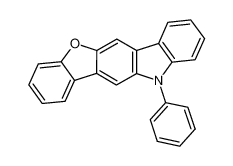
- 1015076-90-0
- C24H15NO
- 333.38200
- All (0)
- China (0)
- (0)
- 760952-77-0
- C15H13NO2
- 239.26900
- All (0)
- China (0)
- (0)
- 794567-21-8
- C6H5GeN
- 163.75100
- All (0)
- China (0)
- (0)
- 1338070-36-2
- C24H19N3O
- 365.42700
- All (0)
- China (0)
- (0)
- 19573-40-1
- C12H11N5O2S
- 289.31300
- All (0)
- China (0)
- (0)
Related Products More >

- USD 30.0000
- 6kg
- 7757-82-6
- CNY Request For Quotation
- 10124-56-8
- CNY Request For Quotation
- 7664-38-2
- CNY Request For Quotation
- CNY Request For Quotation
- CNY Request For Quotation
- CNY Request For Quotation
- CNY Request For Quotation


From a physiological perspective, these specialized cells secrete hydrochloric acid (HCl) by actively transporting hydrogen ions (H⁺) and chloride ions (Cl⁻) into the stomach lumen. The presence of HCl creates a highly acidic environment (pH around 1.5 to 3.5), which helps break down food proteins, activates digestive enzymes like pepsin, and kills harmful microorganisms. This acid secretion is tightly regulated by neural, hormonal, and paracrine signals to maintain digestive health.
However, abnormal production of hydrochloric acid can lead to clinical conditions such as gastroesophageal reflux disease (GERD), peptic ulcers, or gastritis. Excess acid can erode the stomach lining or esophagus, causing pain and discomfort. Conversely, insufficient acid production (hypochlorhydria) may impair digestion and increase susceptibility to infections.
For patients managing such conditions, treatment options include acid-reducing medications like proton pump inhibitors (PPIs) or H2 receptor antagonists to lower acid production safely. Lifestyle modifications such as dietary changes, avoiding irritants (e.g., NSAIDs, alcohol), and stress management are also recommended to maintain balanced acid levels.
Chemically, hydrochloric acid consists of a hydrogen atom covalently bonded to a chlorine atom. This bond is polar due to the high electronegativity difference between hydrogen and chlorine, making the molecule highly polar. In aqueous solution, hydrochloric acid dissociates completely into hydrogen ions (H⁺) and chloride ions (Cl⁻), which accounts for its strong acidic properties. The stability of HCl as a gas is moderate, but in solution, it remains very stable due to complete ionization.
Biologically, hydrochloric acid is produced in the human stomach by specialized cells known as parietal cells. These cells generate HCl through a series of ion transport mechanisms: hydrogen ions are produced from water inside the cell via the enzyme carbonic anhydrase, and chloride ions are transported from the bloodstream into the stomach lumen. The ions then combine in the stomach cavity, forming hydrochloric acid. This process is tightly regulated by biochemical signals to maintain the stomach’s acidic environment, essential for digestion and defense against pathogens.
Industrially, hydrochloric acid is mainly produced by the direct combination of hydrogen gas (H₂) and chlorine gas (Cl₂) in a controlled reaction: H₂ + Cl₂ → 2HCl. The resulting hydrogen chloride gas is then dissolved in water to produce hydrochloric acid solutions of various concentrations for use in chemical manufacturing, metal cleaning, and pH regulation.
Understanding the chemistry behind hydrochloric acid’s production highlights the importance of molecular structure, bond polarity, and reaction mechanisms in both living organisms and industrial settings.
Here’s how it works: When you eat, parietal cells pump out HCl by combining hydrogen ions (H⁺) and chloride ions (Cl⁻). It’s like your gut’s way of saying, “Time to melt this food into a nutrient soup!” Without it, proteins wouldn’t break down, and germs from your meal might throw a party in your intestines.
Real-life example: Think of your stomach like a blender for steak. If you tossed raw meat into a regular blender, it’d just sit there. But your stomach’s HCl acts like super-hot lava (minus the flames)—it unravels proteins, kills bacteria, and turns solid food into a slurry that your small intestine can absorb. Gross but genius, right?
Pro tip: If you often feel bloated or full after meals, low stomach acid might be the culprit (common with stress, aging, or antacid overuse). Instead of reaching for Tums, try:
Chewing food thoroughly (mechanical digestion helps!).
Sipping diluted apple cider vinegar (1 tsp in water) before meals to gently boost acidity.
Avoiding drinking water with meals (it dilutes HCl).
Bonus fact: Your stomach makes enough HCl daily to dissolve a razor blade… but don’t test that! Appreciate how this tiny molecule keeps you healthy—and handle it with respect (both in your body and in the lab). ???
What to know before buying: Concentration varies. Hardware stores often sell 20-31% solutions (stronger, for industrial tasks like concrete cleaning), while household cleaners have weaker concentrations (5-10%). Stronger versions require more caution—fumes are harsher, and spills cause more damage. Laws in some areas restrict sales to adults, so you may need ID.
Who should think twice? Families with kids or pets should avoid stronger HCl. Even diluted, it’s corrosive: skin contact can burn, and fumes irritate lungs, especially for those with asthma. If you’re new to handling chemicals, the risk of accidents (like splashing) is higher.
Common myths? Myth 1: “Stronger is better for cleaning.” For home use, weak HCl works fine for tough stains (like toilet rings). Stronger versions are overkill and more dangerous. Myth 2: “It’s easy to ‘just dilute it.’” Diluting strong HCl requires care—adding water to acid causes splashing. Let professionals handle dilution if needed.
Do you really need it? Chances are, no. Baking soda and vinegar tackle most household stains. For limescale, citric acid (from lemons or powder) works well. HCl is only necessary for extreme cases, like heavy mineral buildup in old pipes.
Family-friendly tips:
Opt for HCl-free cleaners first—look for “natural” or “enzymatic” labels.
If buying HCl, choose the weakest concentration (5-10%) and check the label for safety instructions.
Store it in a locked cabinet, far from food, kids’ supplies, or other chemicals (never mix with bleach!).
HCl has its uses, but it’s not a household essential. Prioritize safer alternatives to keep your home hazard-free.