


 Home
Home
Hello, I would like to know how hydrochloric acid is made safely and industrially. What chemicals are involved? What safety measures should be taken during its production and handling? Are there safer alternatives for medical or household use?
What Are the Safe and Industrial Methods Explaining How Do You Make Hydrochloric Acid?
Related Encyclopedia

- 7647-01-0
- ClH
- 36.46
- All (25)
- China (20)
- (25)
- 13760-18-4
- ClH
- 37.97380
- All (1)
- China (1)
- (1)
- 13779-43-6
- ClH
- 35.97680
- All (1)
- China (1)
- (1)

- 101752-05-0
- CH5ClO
- 68.50280
- All (0)
- China (0)
- (0)

- 12015-40-6
- Cl2H2
- 71.91390
- All (0)
- China (0)
- (0)
- 19400-49-8
- ClH8O3
- 90.50680
- All (0)
- China (0)
- (0)
- 42348-42-5
- ClH2+
- 38.98180
- All (0)
- China (0)
- (0)
- 13862-15-2
- ClHHe
- 40.46350
- All (0)
- China (0)
- (0)
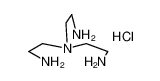
- 44905-58-0
- C6H19ClN4
- 182.69500
- All (0)
- China (0)
- (0)
- 878792-58-6
- C13H21Cl2N2O2
- 309.23200
- All (0)
- China (0)
- (0)
Related Products More >

- 7647-01-0
- CNY 2000.0000
- 1ton
- 7647-01-0
- Request For Quotation
- 1ton
- 7647-01-0
- Request For Quotation
- 25kg
- 7647-01-0
- Request For Quotation
- 1kg
- 7647-01-0
- Request For Quotation
- 25kg
- 7647-01-0
- Request For Quotation
- 1ton
- 7647-01-0
- Request For Quotation
- 1kg
- 7647-01-0
- Request For Quotation
- 25kg


From a physiological and pharmacological perspective, hydrochloric acid is a major component of gastric acid in the stomach, playing a crucial role in digestion by creating an acidic environment that activates digestive enzymes and kills harmful microbes. Industrially, hydrochloric acid is synthesized through the direct combination of hydrogen gas (H₂) and chlorine gas (Cl₂) to form hydrogen chloride gas, which is then absorbed in water to produce hydrochloric acid. This method requires controlled conditions because both hydrogen and chlorine gases are highly reactive and potentially hazardous.
Clinically, exposure to concentrated hydrochloric acid can cause severe chemical burns, respiratory distress, and eye damage due to its corrosive nature. Ingestion or inhalation of hydrochloric acid vapors can lead to mucosal irritation, and prolonged exposure may cause chronic respiratory or gastrointestinal problems. Therefore, handling and disposal must follow strict safety protocols to minimize risks.
For patients or individuals concerned about accidental exposure, immediate flushing with plenty of water and seeking emergency medical attention is essential. Use of personal protective equipment (PPE) and proper ventilation are critical preventive measures. Alternatives to hydrochloric acid for certain medical or cleaning applications may include weaker acids or buffered solutions that reduce corrosive risks while maintaining effectiveness.
Chemically, hydrochloric acid consists of hydrogen and chlorine atoms bonded covalently to form hydrogen chloride (H–Cl). The bond between hydrogen and chlorine is polar covalent due to the significant difference in electronegativity between hydrogen (2.20) and chlorine (3.16). This polarity causes the molecule to have a partial positive charge near hydrogen and a partial negative charge near chlorine. When HCl gas dissolves in water, it ionizes almost completely into hydrogen ions (H⁺) and chloride ions (Cl⁻), making hydrochloric acid a strong acid.
The industrial production of hydrochloric acid primarily involves the direct synthesis of hydrogen chloride gas by the reaction of hydrogen gas (H₂) with chlorine gas (Cl₂) under controlled conditions:
H2(g)+Cl2(g)→2HCl(g)
This exothermic reaction requires precise control of temperature and mixture to prevent side reactions and hazards. The generated HCl gas is then absorbed into water to form hydrochloric acid. This absorption process is highly exothermic due to the strong ionic interactions formed between the ions in solution.
From a chemical bonding perspective, the H–Cl bond is relatively stable, but because hydrochloric acid dissociates readily in water, it exhibits high polarity and strong acidic behavior. This reactivity makes it valuable in many industrial applications such as pH control, metal cleaning, and organic synthesis.
In everyday laboratory use, hydrochloric acid is often prepared by careful dilution of concentrated HCl, ensuring safety due to its corrosiveness and volatility. The stability of HCl gas and its reactivity require strict handling protocols to avoid exposure risks.
Hydrochloric acid forms when hydrogen chloride gas (HCl) dissolves in water. Industrially, this is done in controlled labs using specialized equipment to handle toxic fumes. At home, attempting this would require mixing strong chemicals (like sulfuric acid and salt) under high heat—reactions that release corrosive gas, burn skin, or even explode if not controlled.
Why home production is risky: Even small amounts of hydrogen chloride gas irritate lungs, eyes, and skin. Kids, pets, or anyone with asthma are especially vulnerable. The acid itself, once formed, eats through clothing, metal, and surfaces, making spills hazardous to clean up.
Common myths? Myth 1: “It’s easy with household items.” Mixing vinegar (a weak acid) and salt doesn’t make hydrochloric acid—it creates only trace amounts, not usable or safe concentrations. Myth 2: “Diluting it makes it harmless.” Even weak HCl can burn skin with prolonged contact and damage pipes if poured down drains.
When would you need it? You almost certainly don’t. Household cleaners with small amounts of HCl (like toilet bowl cleaners) are already diluted and regulated for safety. There’s no home task that requires making your own—store-bought versions, while still needing caution, are far safer than DIY attempts.
Family-friendly tips:
Never try to make it. If a project claims to need hydrochloric acid, find a safer alternative (e.g., baking soda for cleaning, citric acid for descaling).
Use store-bought HCl cleaners sparingly, following labels strictly: wear gloves, work in well-ventilated areas, and keep kids/pets away.
Store any HCl products in their original containers, locked in a high cabinet—out of reach of curious hands.
Hydrochloric acid is best left to professionals. For home use, stick to pre-made, regulated products (if necessary) and prioritize safety over DIY experiments.
Here’s why it’s tricky: Combining H₂ and Cl₂ creates HCl gas, which then dissolves in water to make hydrochloric acid. But both gases are toxic, flammable, and explosive when mixed—imagine trying to juggle fireworks while wearing a blindfold. Not a vibe!
Real-life example: Think of a chemical plant where workers wear full-body hazmat suits and operate in sealed rooms to make HCl. Even a tiny leak could cause burns, choking, or an explosion. This is not like mixing vinegar and baking soda for a volcano project!
Pro tip: If you need hydrochloric acid for cleaning or experiments, buy it pre-made from a hardware store or lab supplier (look for “muriatic acid” for pools/drains). Always wear gloves, goggles, and work in a well-ventilated area. And never, ever try to “cook” it up at home—it’s illegal and deadly!
Bonus hack: For a safe alternative to HCl, use vinegar (acetic acid) or lemon juice for minor cleaning tasks. They’re weaker but won’t melt your skin or blow up your garage! ???